MIRA® Surgical Robot by Virtual Incision: Review, Features, Advantages and Disadvantages
The MIRA® (Miniaturized In Vivo Robotic Assistant) is a compact robotic-assisted surgical system developed by Virtual Incision. It is designed to perform minimally invasive surgeries from inside the patient’s body, unlike traditional surgical robots that operate externally.
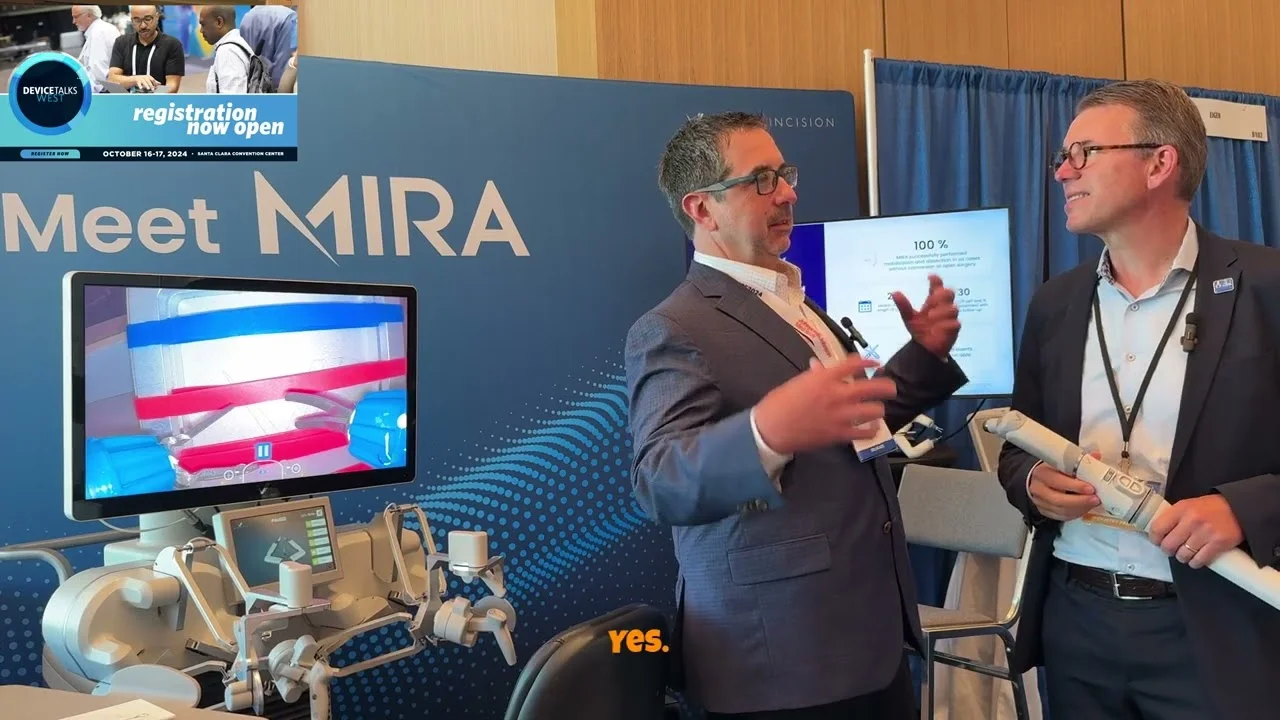
MIRA® Surgical Robot
The MIRA Surgical Robot is a miniaturized robotic-assisted surgical system developed by Virtual Incision. MIRA stands for Miniaturized In Vivo Robotic Assistant, and it is designed to perform minimally invasive surgeries from inside the human body, rather than operating from outside like traditional surgical robots. It is inserted through a small incision (often through the navel), where it unfolds and performs surgical tasks with high precision.
The MIRA Surgical Robot is a small, portable surgical robot. It works inside the body, unlike traditional systems. It is mainly used for minimally invasive and abdominal surgeries, with future potential in remote and space medicine.
MIRA® Surgical Robot
Uses of MIRA® Surgical Robot
The MIRA Surgical Robot is used in several advanced medical applications:
- Minimally Invasive Surgery: MIRA Surgical Robot performs operations using very small incisions. It reduces pain, scarring, and recovery time.
- Abdominal and Colon Surgeries: The MIRA Surgical Robot is commonly used in procedures like colectomy. It allows precise work inside the abdominal cavity.
- Single-Incision Procedures: MIRA Surgical Robot can operate through one small opening instead of multiple cuts.
- Telesurgery (Remote Surgery): The MIRA Surgical Robot can be controlled remotely by surgeons. It is useful in remote areas or emergencies.
- Space and Extreme Environment Surgery: MIRA Surgical Robot is tested for use in space missions (e.g., future medical care for astronauts).
- Expanding Surgical Access: MIRA Surgical Robot helps bring robotic surgery to: Smaller hospitals, Rural and underserved areas.
Review of MIRA® Surgical Robot
The MIRA system represents a major innovation in surgical robotics due to its:
- Extremely small size (about 2 pounds).
- Ability to be placed entirely inside the abdomen.
- Portable, “tray-to-table” design.
Unlike large systems like da Vinci robots, MIRA aims to make robotic surgery:
- More accessible.
- More affordable.
- Easier to deploy in any operating room.
Overall, it is considered a next-generation surgical platform with strong potential to transform healthcare delivery.
Features of MIRA® Surgical Robot
- Miniaturized Design: MIRA® Surgical Robot weighs about 2 pounds. It fits in a small tray and is highly portable.
- Inside-the-Body Operation: Robotic arms operate inside the patient rather than outside.
- Single-Incision Surgery: MIRA® Surgical Robot is inserted through a small incision (often in the navel).
- Multi-Quadrant Access: MIRA® Surgical Robot can move across different abdominal areas easily without changing instruments.
- High Precision Movement: MIRA® Surgical Robot uses internal motors for enhanced control and flexibility.
- Portable & Easy Setup: MIRA® Surgical Robot does not require large operating room equipment, and it is suitable for small hospitals.
- Remote Surgery Capability: MIRA® Surgical Robot has been tested for telesurgery (remote-controlled procedures), including space conditions.
What Can MIRA® Surgical Robot Do?
The MIRA robot can perform abdominal surgeries (especially colon procedures). It can assist in minimally invasive surgeries. It can enable remote-controlled operations (telesurgery), and it can operate in limited environments (rural areas or even space missions).
Advantages of MIRA® Surgical Robot
- Minimally Invasive: Smaller incisions → less pain and faster recovery.
- Portable & Compact: The MIRA robot can be used in almost any hospital.
- Increased Accessibility: MIRA robot expands robotic surgery to underserved areas.
- Cost-Effective Potential: Lower infrastructure requirements compared to large systems.
- High Precision: Improved control due to internal robotic arms.
- Faster Setup: No complex installation or large equipment required.
Disadvantages of MIRA® Surgical Robot
- Limited Current Use: The MIRA robot is approved mainly for specific procedures (such as colon surgeries).
- New Technology: The MIRA robot is still in early adoption stages.
- Requires Training: Surgeons need specialized training.
- Not Yet Widely Available: The MIRA robot has limited availability compared to traditional systems.
- Technical Limitations: The MIRA robot may not yet handle all complex surgeries.
FAQs about MIRA® Surgical Robot
1. What does MIRA stand for?
MIRA stands for Miniaturized In Vivo Robotic Assistant.
2. How is MIRA different from other surgical robots?
It works inside the body, while most robots operate externally.
3. Is MIRA FDA-approved?
Yes, it received FDA authorization for certain procedures like colectomy.
4. What type of surgeries can it perform?
Mainly abdominal and colon surgeries, with potential expansion.
5. Is MIRA portable?
Yes, it is small enough to be carried between operating rooms.
6. Can it be used remotely?
Yes, it has been tested for telesurgery, even in space simulations.
7. Why is MIRA important?
Because it makes robotic surgery more accessible and scalable worldwide.
The MIRA® Surgical Robot by Virtual Incision is a groundbreaking innovation in robotic-assisted surgery. Its miniaturized design, portability, and precision make it a strong competitor in the future of healthcare, especially for small hospitals, remote areas, and advanced telemedicine. While still evolving, MIRA has the potential to redefine how surgeries are performed globally.
You can subscribe to Science Online on YouTube from this link: Science Online
Robotic-assisted spine surgery importance, risks, and Is robotic spine surgery better?
Robotic Surgery vs. Laparoscopic Surgery, Robot-assisted surgery features, benefits and drawbacks
Surgical robot types, advantages, disadvantages, How is robotic surgery different from traditional
Healthcare robotics, Nursing care robots review, types, advantages, disadvantages and uses
Robot-Assisted Heart Surgery types, benefits, risks, Robotic heart vs. open-heart surgery
Interventional radiology types, Robotic endovascular systems advantages and disadvantages