HOBOT window/glass cleaning robot review, Are robotic window cleaners worth it?
The HOBOT window/glass cleaning robot is a smart robotic cleaner that automates the task of cleaning windows and other glass surfaces, offering convenience, safety, and consistent cleaning performance, especially for large or hard-to-reach windows.
HOBOT window/glass cleaning robot
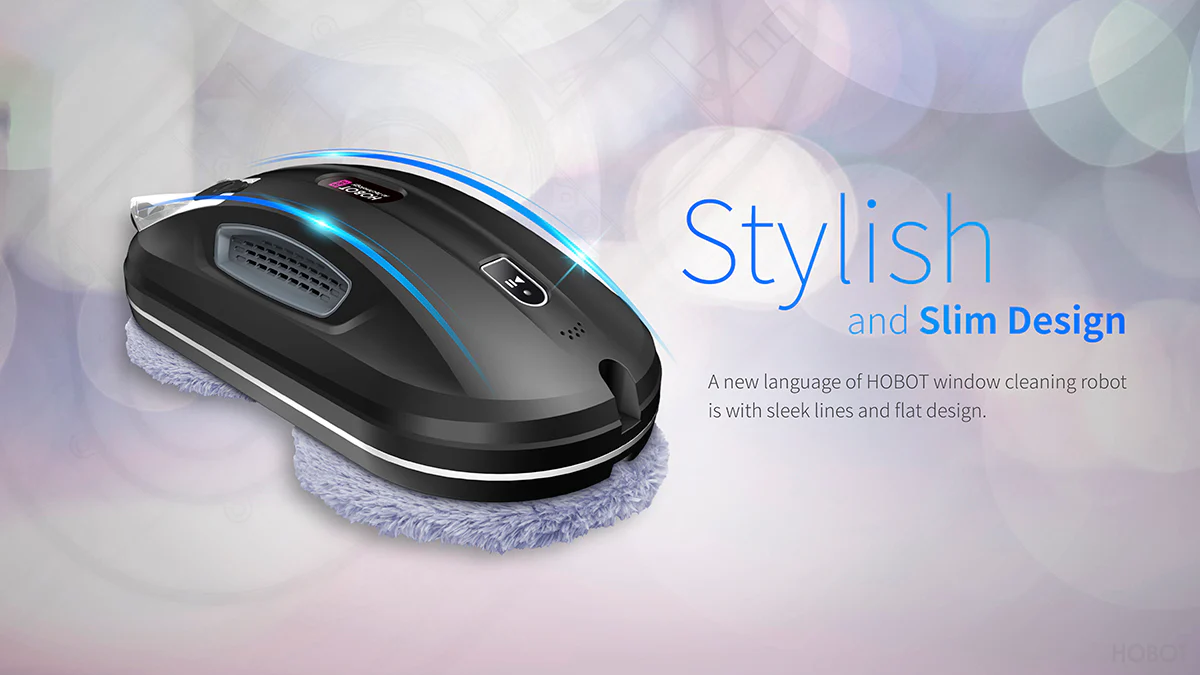
The HOBOT window/glass cleaning robot is an automatic, smart cleaning device designed to clean glass surfaces — such as windows, mirrors, and glass doors — without manual effort. It uses vacuum suction to attach securely to vertical or horizontal glass surfaces and moves automatically in predefined cleaning patterns to wipe away dust, dirt, and smudges.
HOBOT window/glass cleaning robot is equipped with microfiber cleaning pads, sensors for edge detection, and sometimes ultrasonic water spray systems. HOBOT robots ensure thorough cleaning across the glass surface. Many models can be controlled via remote control or smartphone app and feature safety systems such as backup batteries and safety ropes to prevent falls.
The HOBOT window cleaning robot is a sophisticated smart‐home device aimed at making glass/window cleaning easier, especially for challenging surfaces. If you have large or hard‐to‐reach glass panes, it could be a valuable tool. If your windows are small, easily accessible, or heavily soiled, you might still rely on manual cleaning or get mixed results.
HOBOT window/glass cleaning robot
What is HOBOT Window Glass Cleaning Robot?
The HOBOT window/glass cleaning robot is an automated device designed to clean vertical glass surfaces (windows, doors, even certain glass walls) with minimal human effort. It uses suction to attach to the glass, rolls or moves over the surface with cleaning pads/wheels, and often sprays a fine mist of water or detergent.
For example, the model HOBOT-298 provides an ultrasonic water spray and a replaceable tank, with a suction of ~6 kg force, designed for glass of any thickness. Another model, the HOBOT-368, uses a vacuum motor for attachment, has two specially‐designed cleaning wheels, and an embedded UPS (uninterrupted power system) so that it stays attached even if power is lost for a short time.
How it works – main mechanisms
- Suction/vacuum attachment: The unit creates negative pressure to stick to vertical glass surfaces, so it doesn’t fall off.
- Cleaning motion: It moves via either caterpillar/treads or wheels, sometimes rotating cleaning pads/wheels covered in microfiber cloth, which wipe the glass surface.
- Water/detergent spray (in higher models): Some models include an ultrasonic spray nozzle that atomizes water/detergent for better results. For example, the HOBOT-R3 uses dual ultrasonic nozzles.
- Edge detection/safety features: Laser/pressure sensors to detect window edges, prevent the robot from going off the pane, and a safety rope backup.
- Automatic operation modes: The robot often has predefined cleaning patterns/modes (zig-zag, full window coverage, repeat passes).
Features of HOBOT window/glass cleaning robot
- The HOBOT window/glass cleaning robot works on glass of “any thickness” (i.e., thick windows, frameless glass) in many models.
- It has an embedded UPS/power backup: if the main power is interrupted, the robot can remain stuck for a period to prevent a fall.
- Safety rope: a tether helps secure the device if suction fails.
- Remote control/app control: Some models can be controlled via remote or smartphone.
- Microfiber/washable cleaning cloths: For wiping the glass and removing dirt.
When it might be useful
- For tall windows or high/large glass surfaces where manual cleaning is difficult or unsafe.
- For regular maintenance cleaning, rather than deep, heavy-duty cleaning (dust buildup, mud, etc).
- In homes/buildings with large glass panes or hard-to-reach external windows, an automatic solution adds convenience.
HOBOT window/glass cleaning robot advantages
- Minimal human effort for hard-to-reach glass: These robots are great when you have tall windows, exterior panes, sliding glass doors, or other difficult-to-access surfaces. The HOBOT-388 astonished users by cleaning large floor-to-ceiling windows.
- Strong suction and safety features: Many models use vacuum suction to stick to glass surfaces, including anti-fall algorithms, edge detection sensors, safety ropes, and backup power systems. For example, the HOBOT-2S has a backup battery for up to 20 minutes if power is lost.
- Automated cleaning paths and features: The robots often include smart navigation (zig-zag patterns, edge detection), automatic stop when done, remote/app control in some models, and ultrasonic spray mists in higher models (for wet cleaning). For example, the HOBOT-R3 has a dual ultrasonic spray nozzle.
- Convenience for regular maintenance: If you have many windows or glass surfaces and you’re keeping them reasonably clean anyway, a robot can maintain them at a lower effort over time. For light cleaning/maintenance, it can be a helpful assistant.
- Quiet operation (in some models): For example, one model (HOBOT-298) is noted to run “under 65 dB,” which is fairly quiet for a gadget that’s cleaning a vertical surface.
Disadvantages of HOBOT window/glass cleaning robot
- Not a full replacement for deep manual cleaning: If the glass is very dirty (bird droppings, dried mud, heavy grime), the robot may struggle or still leave streaks/spots. It only cleans dry glass … not as thorough as models with a water spray. Results were a little streaky; we still might need manual cleaning.
- Edge & corner issues: Many robots leave small bits near the top/bottom corners or along the very edge of frames uncleaned. It’ll leave a tiny part of the top and bottom corners left undone. Also, surfaces with films or decorative stickers may reduce friction and cause slipping.
- Set-up/supervision required: Unlike a robot vacuum, you might “set and forget, these often require you to place them carefully, secure a safety rope, monitor them especially for exterior windows, and sometimes move them manually from one pane to the next. You can’t leave them unattended. One big difference is that the latter are moving vertically.
- The HOBOT window/glass cleaning robot works best on flat, large rectangular panes — odd shapes, extremely narrow windows, and heavy mullions may pose issues. Many models require a clean glass surface to start with (dusty/dry surfaces help with suction). Weather/humidity: for exterior windows, high humidity, rain, and wind may reduce effectiveness.
- The upfront cost can be relatively high compared to manual tools. Also, you’ll need to replace microfiber pads, clean the device, monitor for worn parts, etc. HOBOT-298 always left marks.
- Size & battery limitations (depending on model): Some models struggle with larger surfaces in one go, or have limited battery/UPS time. Short battery life, only lasts around 35-45 minutes per charge. It may not perform as well on heavily soiled glass (e.g., lots of dried mud, thick grime). Some reviews of similar robots (not HOBOT specifically) mention that the result may still require manual touch-up.
- Setup/monitoring still required: you’ll need to attach the device, secure the safety rope, and monitor it (especially for external or high windows).
- Surface compatibility: While many models support “any thickness glass”, some surfaces (very narrow windows, odd shapes) might limit performance. For example, one review noted a bot couldn’t clean a window ~32 cm wide.
If you have large glass surfaces, hard-to-reach windows (e.g., exterior, high floors, big sliding doors), then a HOBOT robot can offer meaningful convenience and safety benefits. If your windows are small, easy to access, or heavily soiled, you might not gain as much — manual cleaning may still be quicker or more thorough.
It’s a tool for maintenance and convenience, rather than a perfect replacement for all manual cleaning. Make sure you match the model to your window types (size, frame/no-frame, surface condition, indoor vs outdoor) and you’re comfortable doing the required setup (safety rope, initial placement, move between panes).
You can follow science online on YouTube from this link: Science online
Dyson 360 robot vacuum features, review, advantages and disadvantages
Roxxter robotic vacuum review, advantages, disadvantages and Is the robot vacuum worth it?
Wybot robotic pool cleaner with Solar Power, How does a Wybot work?
Hospital cleaning robots importance, drawbacks and How are robots used in hospitals?
Saul UV disinfection robot review, use, advantages, and disadvantages
Laboratory robotics uses, advantages, and disadvantages
Computers in Medicine use, advantages and disadvantages
Robotic surgery cons, pros, uses and How does robotic surgery work?
Artificial intelligence in medical field advantages & how AI medical diagnosis changes medicine