
Trending topics on Moxi robot, What is the purpose of the Moxi robot?
Moxi, the AI-powered robot nurse assistant, It can play music and tell jokes, boosting patient morale. It can collect valuable data on patient care, hospital operations, and resource utilization, which can be used to improve processes and personalize care, It can work tirelessly, unlike human nurses who need breaks and sleep.
Moxi robot
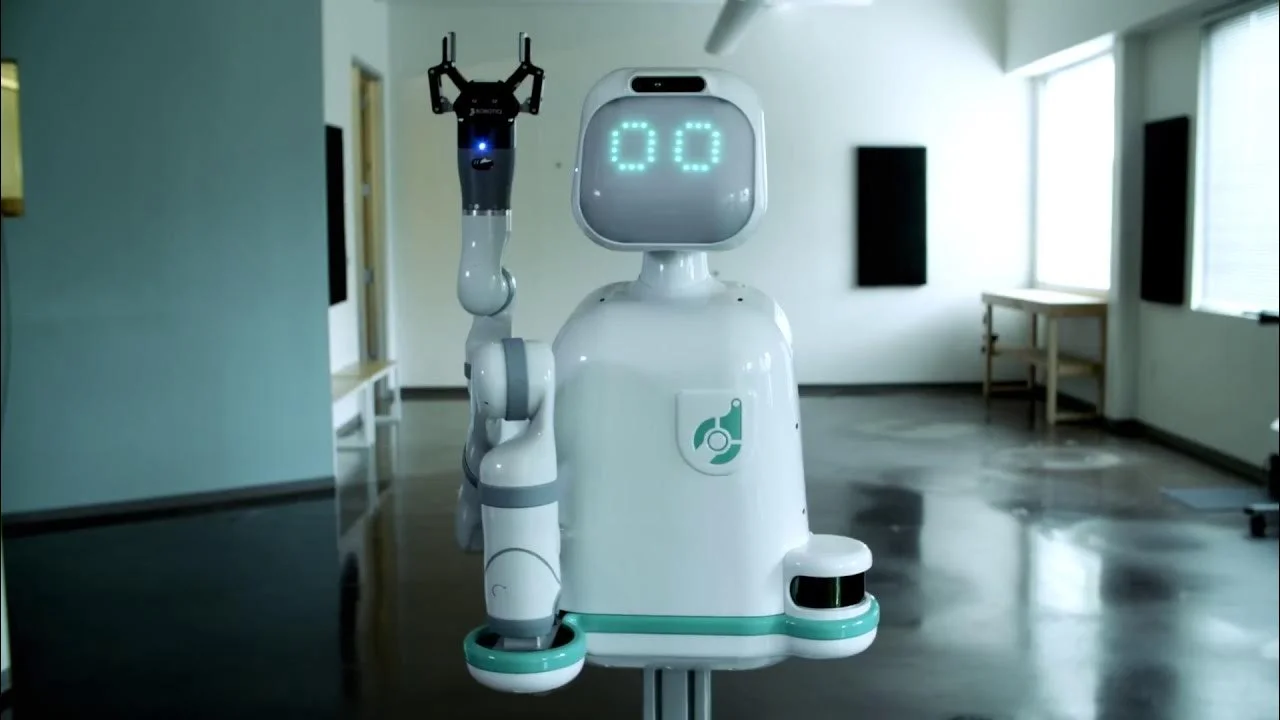
Moxi is the AI-powered robot nurse assistant from Diligent Robotics, it has generated interest in its potential to aid overworked medical professionals. It reduces workload for nurses, It can handle repetitive tasks like fetching supplies, delivering medications, and transporting patients, freeing up nurses for more complex care.
Moxi can monitor vital signs, remind patients to take medication, and provide basic emotional support, potentially improving patient outcomes. It can help hospitals run more efficiently, potentially reducing costs. It reduces exposure to risks, It can perform tasks in hazardous environments or with infectious patients, protecting healthcare workers.
Moxi robots can understand basic emotions in human speech and respond accordingly, making interactions feel more personal. The name “Moxi” comes from the word “moxie,” which means courage, determination, and spirit – all qualities that embody Moxi’s helpful nature. The name “Moxi” is a play on the words “mobile” and “oxytocin,” the hormone associated with love and bonding.
Moxi robot
Importance of the Moxi robot
Moxi can handle repetitive tasks like fetching supplies, delivering medications, and transporting patients, freeing up nurses for more complex care. This can improve overall workflow and efficiency in busy hospital environments. It can navigate contaminated areas without risk, minimizing the spread of germs and protecting healthcare workers. This is particularly valuable in isolation wards or during pandemics.
Moxi can provide companionship and emotional support to patients, reducing loneliness and anxiety. It can also offer basic entertainment and educational resources, enhancing their stay. It can collect valuable data on patient vitals, medication adherence, and environmental conditions. This data can be used to improve patient care, optimize hospital operations, and identify potential issues early on.
Moxi robot can engage with patients in basic conversations and provide companionship, potentially reducing loneliness and anxiety during hospital stays. By taking over repetitive tasks, Moxi can reduce the physical and mental strain on nurses, leading to improved job satisfaction and potentially lower burnout rates.
Moxi has the potential to be a valuable tool in healthcare. In its first six weeks at Cedars Sinai, Moxi saved nurses a whopping 300 miles of walking. It doesn’t need breaks or sleep, so it can work to support medical staff. It can navigate busy hospital environments, deliver supplies, and open doors with its single arm.
Moxi wasn’t designed just for tasks. It has social cues in its design and movement, like a face that can show emotions, to make its interactions more friendly and natural. It can help with administrative tasks such as data entry, freeing up nurses’ time further. It is used for educational purposes, showing patients medical information or demonstrating exercises.
During trials, Moxi was so popular with staff that the developers programmed in “social laps” where it would wander around and flash heart eyes at people. It can remember and prioritize tasks, ensuring efficient delivery of supplies and medications.
Although Moxi is used in healthcare, its technology can be adapted for other industries, such as hospitality or retail. Moxi is constantly learning and evolving thanks to its AI capabilities. This means it can adapt to new tasks and situations. Moxi‘s downtime included “social laps” where it would roam and chat with hospital staff, becoming quite popular. Moxi can be programmed with custom greetings and phrases, adding a personal touch to interactions.
Moxi represents a glimpse into the future of healthcare, where robots work in collaboration with humans to enhance patient care and efficiency. It can express emotions through its LED eyes and body language, even winking or flashing heart eyes. It can learn the layout of a hospital and navigate autonomously, avoiding obstacles and people.
Moxi is designed to assist hospital nurses. It can reduce wait times and improve patient outcomes. It can navigate contaminated areas or handle infectious waste without putting nurses at risk. This is beneficial in situations like pandemics or outbreaks. It can handle routine tasks like delivering supplies, fetching equipment, and disposing of waste, freeing nurses for more complex patient care.
Moxi robot can document its actions and patient interactions, reducing the administrative burden on nurses and ensuring accurate records. It can collect valuable data on patient care, hospital operations, and resource utilization, which can be used to improve processes and personalize care.
Moxi is still under development, and new features and capabilities are constantly added. It may one day be able to perform more complex tasks like taking vital signs or assisting with minor procedures. It could become a valuable tool in telemedicine, allowing remote doctors to interact with patients through the robot.
Drawbacks of Moxi
Moxi robots are expensive to purchase and maintain, which may be a barrier for some hospitals. While Moxi can handle many tasks, it cannot replace the critical thinking and emotional intelligence of human nurses. Some people fear that robots like Moxi could lead to job losses for nurses, though others argue that they will create new opportunities.
Like any technology, Moxi can experience technical malfunctions or glitches, which may disrupt workflow and patient care. There are several ethical considerations surrounding the use of AI in healthcare, including data privacy, patient autonomy, and potential biases in algorithms.
Moxi currently operates under the supervision of human nurses and cannot perform complex tasks or make critical decisions independently. Moxi is still under development, and its capabilities are limited compared to human nurses. It may not be suitable for all situations or patient needs.
Building trust and acceptance among patients, nurses, and other staff towards a robotic caregiver can take time, and it is crucial for Moxi‘s successful integration into healthcare settings. Moxi cannot perform complex tasks like diagnosis or treatment and relies on human oversight.
You can follow science online on YouTube from this link: Science online
Moxi, the AI-powered robot nurse assistant, Can Moxi robots replace human nurses?
Healthcare robotics, Nursing care robots review, types, advantages, disadvantages and uses
Moxie robot advantages, disadvantages and what does a moxie robot do?
Robotic surgery cons, pros, uses and How does robotic surgery work?
Artificial intelligence in medical field advantages & how AI medical diagnosis changes medicine
Surgical robots types, advantages, disadvantages, How is robotic surgery different from traditional
Applications of Artificial intelligence in the medical field and Healthcare
Importance of Artificial intelligence in healthcare and medicine
Domestic robot or Service Robots types, advantages and disadvantages