Chihira Kanae Robot Review: Features, Pros & Cons, What She Can Do (FAQ)
Chihira Kanae is a lifelike humanoid android robot developed by Toshiba (with research partners). She’s built to interact naturally with people using speech, facial expressions, and gentle gestures. Her main role is front-of-house communication—welcoming visitors and providing information in public venues.
What is Chihira Kanae?
Chihira Kanae is a lifelike humanoid android robot developed by Toshiba (with research partners) to interact with people in public spaces. She’s designed to greet visitors, provide information, guide customers in stores or museums, and demonstrate natural human-like expressions and gestures.
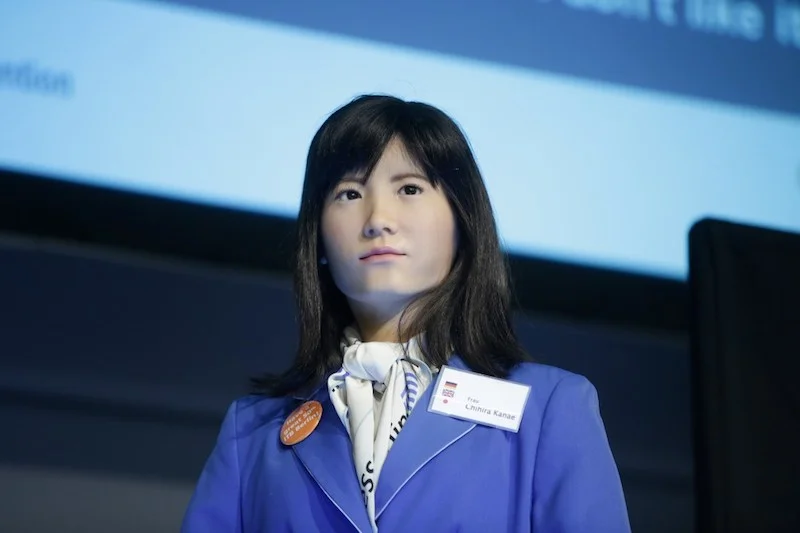
Chihira Kanae
Main Uses of Chihira Kanae (What she’s used for)
- Reception & Greeting: Welcomes guests in malls, hotels, museums, and exhibitions.
- Information Desk: Answers FAQs about locations, schedules, products, or events.
- Wayfinding: Gives directions inside large venues (floors, sections, booths).
- Multilingual Support: Assists tourists (often Japanese, English, and Chinese setups).
- Brand Ambassador: Promotes campaigns, launches, and special offers.
- Event Host: Introduces programs, speakers, or exhibit highlights.
How Chihira Kanae works
- Conversation: Speech recognition + pre-programmed dialogue flows (with some AI routing).
- Expressions: Blinking, head nods, hand motions to feel human-like.
- Content: Businesses customize scripts, FAQs, and promotional info.
- Setup: Typically stationary at a desk or booth (not designed to walk around).
Best fit
High-traffic public spaces that want engaging, consistent customer service and a futuristic brand touch.
Not for
Physical tasks, complex problem-solving, or fully free-form conversations.
Chihira Kanae Review
Chihira Kanae shines at front-desk hospitality and public engagement. Her realistic face, smooth gestures, and multilingual speech make interactions feel friendly and approachable. She’s best suited for reception, promotions, and guided information—not for heavy physical tasks or complex decision-making.
Chihira Kanae features
- Human-like appearance (facial expressions, blinking, subtle head/hand movements).
- Natural conversation (pre-scripted + AI-driven responses).
- Multilingual support (commonly Japanese, English, Chinese).
- Touchscreen/voice interaction (depends on deployment).
- Programmable scenarios (greetings, directions, promotions, FAQs).
- Integration with databases (store info, schedules, exhibits).
- Safe stationary operation (designed for public spaces).
Advantages of Chihira Kanae
- Engaging customer experience – attracts attention and boosts foot traffic.
- Consistent service – delivers accurate info 24/7.
- Multilingual communication – great for tourists and international venues.
- Brand differentiation – futuristic image for malls, museums, and hotels.
- Low fatigue – no breaks, steady performance.
Disadvantages of Chihira Kanae
- High cost – purchase, deployment, and maintenance are expensive.
- Limited autonomy – relies on scripts and predefined flows.
- Not mobile – typically stationary (can’t be escorted physically).
- Context limits – struggles with unexpected questions.
- Maintenance needs – hardware upkeep and software updates.
What Can Chihira Kanae Do?
- Greet visitors and welcome customers.
- Provide directions inside malls, museums, and exhibitions.
- Explain products, events, and promotions.
- Answer frequently asked questions.
- Support multilingual assistance.
- Act as a brand ambassador or event host.
FAQ about Chihira Kanae
Is Chihira Kanae an AI robot?
Yes—she uses AI for speech recognition and response selection, but most interactions are scripted or guided by programmed workflows.
Can Chihira Kanae walk?
No. She’s typically stationary, designed for front-desk or booth interactions.
Where is Chihira Kanae used?
In department stores, museums, exhibitions, hotels, and airports, for customer engagement and information.
Does Chihira Kanae understand emotions?
She can detect basic cues (tone/keywords) and display predefined expressions, but she doesn’t truly “feel” emotions.
Is Chihira Kanae suitable for healthcare?
She can assist with reception and wayfinding in clinics, but not with medical tasks or diagnosis.
Can businesses customize their dialogues?
Yes. Organizations can program scripts, FAQs, and content to match their services.
How does she compare to Sophia or ASIMO?
Chihira Kanae focuses on hospitality and lifelike presence. Sophia emphasizes media interaction and research; ASIMO (retired) focused on mobility and robotics research.
Quick Specs
- Type: Humanoid android (stationary).
- Primary Use: Reception, guidance, promotions.
- Interaction: Voice + gestures + display (varies by setup).
- Languages: Multi-language (configurable).
- Developer: Toshiba (with partners).
You can follow Science Online on YouTube from this link: Science Online
Junko Chihira robot features, advantages and disadvantages, What can Junko Chihira do?
Advantages and disadvantages of using robots in our life
Elias robot review, advantages, disadvantages, and What robot teaches languages?
Robot teachers use, types, advantages, and disadvantages
Educational robotics, Robot teachers, Social robots review, features advantages and drawbacks
Artificial intelligence in education, AI tutors features, advantages and disadvantages
Pros and cons of technology in education and can technology replace teachers?
The importance and uses of educational robotics for students