
Motion sensor cameras types, features, advantages & disadvantages
The cameras with motion detection can send you notifications when the camera observes a motion within its field of view , These notifications can alert you to suspicious activity , So , you can monitor the situation , The field of view refers to the width of area the camera can record , This is important because it will affect how many cameras you will need and where you should place them .
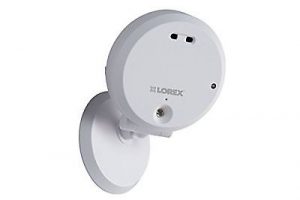
Motion sensor camera
Home security cameras
The types of home security cameras are namely wireless home security cameras and cable home security cameras , The sound feature can refer to your camera receiving sound through a microphone , emitting sound via a speaker , or both , Cameras with both can double as an intercom .
The camera with Wi-Fi can communicate with your home network wirelessly that can be very handy for installation , but it is less susceptible to being disabled , because it does not contain wires that could be cut .
The distance to which your camera can record the images in low to no light situations can have a great impact on its effectiveness because often criminal activity can happen at night .
The camera that can pan and / or tilt may be able to record a larger area than the static camera and therefor reduce the total number of cameras needed to observe the particular area .
If the camera costs so much that you can no longer afford the valuables you are trying to protect with it , then it doesn’t serve a purpose , Cost is a factor for every purchasing decision .
Different Types of motion sensor cameras
Cellular Camera
The cellular cameras record the images and transmit them to your phone and tabs through the internet , The sim needs to be inserted in the camera’s slot and then it uses it just like a phone , They work on GSM networks and you need to buy a data package for the sim .
The cellular cameras are coming with the feature of motion sensor nowadays , that activates with a movement in front of the lens’ span , The cellular camera is a hassle free gadget , that is very easy to install and it does not have tonnes of wires running around it .
Advantages of Cellular Camera
The cellular cameras come in compact sizes and they are ideal for indoor as well as outdoor use , They are portable and therefore apt for the conditions where they are required to be moved from one place to another frequently .
The cellular cameras are very inconspicuous in the woods , They are perfect to build a camouflage for the sheer simplicity of having no web of wires hanging out .
Disadvantages of Cellular Camera
Cellular Cameras run on the battery , The sim needs service provider’s network , if it is not available then the transmitting function will not work , when they are in wilderness and you want to transmit some pictures , The cellular cameras can be hacked through the internet that connect it to our phone .
Motion Activated Camera
The motion-activated cameras are the ideal indoor and outdoor cameras , They are suited for the user who wants minimum remote or manual interference in the photo capturing , They come in a category where you install them and then forget about it , They are very popular for wildlife and sports photography .
Motion Activated Camera advantages
Motion activated cameras can be installed in a set up that is dangerous for the human presence , They detect motion in its range , It is also known as detection area , if there is a movement beyond this detection area , The camera will not capture the images , So , You have to buy a better field camera .
Motion Activated Camera disadvantages
The sensitivity and the range are two features of this camera which you need to check at the time of buying , The rang should not be too short and the cameras should be sensitive enough .
Wireless Wi-Fi Camera
The wireless Wi-Fi camera has an in-built transmitter that transports the images using the wireless network , You have to choose the wireless network of the receiving device in the camera to connect both of them .
Wireless Wi-Fi cameras are innovative but they are user friendly and relevant to today’s times , They have fewer attachments and no wires , that is an appealing feature for an indoor or semi-indoor use .
Wireless Wi-Fi Camera advantages
The wireless Wi-Fi camera has a simple installation and it is very easy to operate , Sharing of pictures is facilitated by the Wi-Fi features without the USB cords and millions of other attachments , It is a user friendly , It is wireless and it is great for camouflage , but its suitability to the outdoor environment is highly debatable .
Wireless Wi-Fi Camera disadvantages
The wireless Wi-Fi camera comes in form of outdoor use , The naturally exposed environment can hamper the wireless signals and so its use in an outdoor set up is not recommended .
For transmission of the images , The seamless strong signal is required that completely depends on your internet network and wireless device , If you are outside the Wi-Fi range , that in itself is limited , the transmission feature will just not work .
The wireless Wi-Fi cameras are vulnerable to cyber attacks due to the use of internet to transmit , You can’t use the transmitting feature of this camera on the go without Wi-Fi enabled environment , So , it unsuitable for lonesome areas that do not have phone networks and internet.
Motion Sensor Cameras ( home security cameras ) features , cons and pros