Da Vinci Surgical Robot: Review, Benefits, Risks & Uses in Modern Surgery, Da Vinci robot VS. MIRA VS. Robonaut
Da Vinci Surgical System is an advanced robotic-assisted surgical system designed to help surgeons perform complex procedures with high precision, flexibility, and control through minimally invasive techniques. It is developed by Intuitive Surgical and is widely used in hospitals around the world.
Da Vinci Surgical Robot
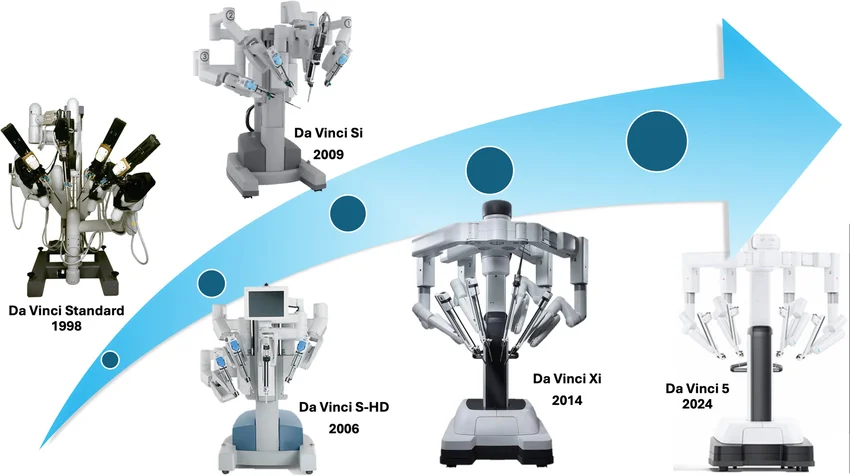
The Da Vinci Surgical System is an advanced robotic-assisted surgical system that enables surgeons to perform complex operations with high precision, flexibility, and control through minimally invasive techniques. It is developed by Intuitive Surgical and works by translating the surgeon’s hand movements at a console into smaller, more precise movements of tiny instruments inside the patient’s body.
Da Vinci Surgical Robot
What is the Da Vinci Robot Used For?
The Da Vinci system is used in many types of surgeries, including:
- General surgery.
- Urology (e.g., prostate surgery).
- Gynecology.
- Heart (cardiac) surgery.
- Kidney procedures.
Features of the Da Vinci Surgical System
- 3D High-Definition Vision: Provides a magnified, clear view of the surgical area.
- Robotic Arms: Multiple arms that hold surgical instruments and a camera.
- Surgeon Console: The surgeon controls the robot from a seated position.
- Enhanced Precision: Filters hand tremors for steady movements.
- Minimally Invasive Technique: Requires only small incisions.
What Can the Da Vinci Robot Do?
The Da Vinci Surgical Robot can perform delicate and complex surgeries. It can make very small, precise cuts. It can access hard-to-reach areas in the body. It can reduce damage to surrounding tissues. It can assist surgeons rather than replace them.
Advantages of Da Vinci Robots
- Smaller incisions → less pain.
- Faster recovery time.
- Reduced blood loss.
- Lower risk of infection.
- High accuracy and precision.
- Shorter hospital stays.
Disadvantages of Da Vinci Robots
- Very expensive equipment and procedures.
- Requires highly trained surgeons.
- Longer setup time before surgery.
- Not available in all hospitals.
- Technical issues may occur (rare).
How Does It Work?
The surgeon sits at a console and controls robotic arms equipped with tiny instruments. The system translates the surgeon’s hand movements into precise actions inside the patient’s body.
Comparison between the Da Vinci robot, MIRA, and Robonaut
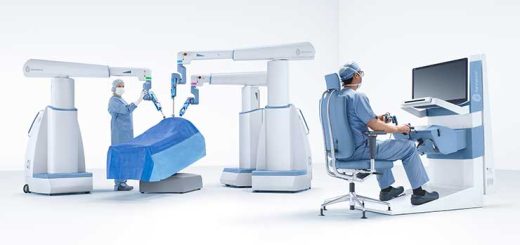
The Da Vinci Surgical System is designed primarily for use in hospitals, where it assists surgeons in performing complex, minimally invasive procedures with high precision. It features multiple robotic arms, a 3D high-definition vision system, and a surgeon-controlled console. In contrast, the MIRA Surgical Robot is a much smaller and more portable surgical robot developed by Virtual Incision. Unlike the large Da Vinci system, MIRA is compact and can be placed inside the body through a single small incision, making it ideal for minimally invasive procedures and even potential use in remote or space environments.
On the other hand, Robonaut 2, developed by NASA, serves a completely different purpose. While da Vinci and MIRA are focused on medical applications, Robonaut 2 is a humanoid robot designed to assist astronauts in space missions. It can perform tasks such as operating tools, handling equipment, and working in hazardous environments, but it is not intended for surgical use. Unlike the precision-focused surgical robots, Robonaut emphasizes human-like movement and adaptability in space.
In summary, the Da Vinci system is best suited for advanced hospital surgeries requiring precision and control, MIRA represents the future of compact and highly portable minimally invasive surgery, and Robonaut 2 is built for space exploration and human assistance rather than medical procedures. Together, they highlight how robotics is transforming both healthcare and space technology in different ways.
FAQ about the Da Vinci Surgical Robot
1. Is the Da Vinci robot fully autonomous?
No, it is fully controlled by a surgeon and does not act on its own.
2. Is robotic surgery safe?
Yes, it is considered safe and often more precise than traditional surgery when performed by trained professionals.
3. Does the Da Vinci robot replace doctors?
No, it assists surgeons but does not replace them.
4. Is recovery faster with Da Vinci surgery?
Yes, patients usually recover faster compared to open surgery.
5. Is the Da Vinci robot used worldwide?
Yes, it is widely used in many advanced hospitals around the world.
6. What makes the Da Vinci robot different from traditional surgery?
It allows minimally invasive procedures with better precision and visualization.
7. Is the Da Vinci robot suitable for all surgeries?
No, not all procedures require or are suitable for robotic assistance.
8. Is robotic surgery expensive?
Yes, it is generally more expensive due to advanced technology.
You can subscribe to Science Online on YouTube from this link: Science Online
Robotic-assisted spine surgery importance, risks, and Is robotic spine surgery better?
Robotic Surgery vs. Laparoscopic Surgery, Robot-assisted surgery features, benefits and drawbacks
Surgical robot types, advantages, disadvantages, How is robotic surgery different from traditional
Healthcare robotics, Nursing care robots review, types, advantages, disadvantages and uses
Robot-Assisted Heart Surgery types, benefits, risks, Robotic heart vs. open-heart surgery
Interventional radiology types, Robotic endovascular systems advantages and disadvantages