Maira: The First Cognitive Robot, Maira vs Traditional Robots, Can Maira understand emotions?, Is Maira safe to use?
Maira is an advanced cognitive robot designed to simulate human-like thinking, reasoning, and decision-making. Unlike traditional robots that follow pre-programmed instructions, Maira uses artificial intelligence (AI), machine learning, and cognitive computing to understand its environment, learn from experience, and interact intelligently with humans.
What is Maira: The First Cognitive Robot
Maira: The First Cognitive Robot is an advanced type of robot designed to think, learn, and interact intelligently with humans using modern artificial intelligence technologies. Unlike traditional robots that simply follow pre-programmed instructions, Maira can analyze information, understand context, and make decisions based on real-time data.
Maira is called a cognitive robot because it mimics certain aspects of human thinking. It uses technologies such as machine learning, natural language processing (NLP), and computer vision to understand speech, recognize objects, and adapt to new situations. This allows it to improve its performance over time without needing constant reprogramming.
In simple terms, Maira is not just a machine that performs tasks—it is an intelligent system capable of reasoning, problem-solving, and assisting humans in areas like healthcare, education, research, and customer service. It represents a major step toward the future of smart, human-like robots.
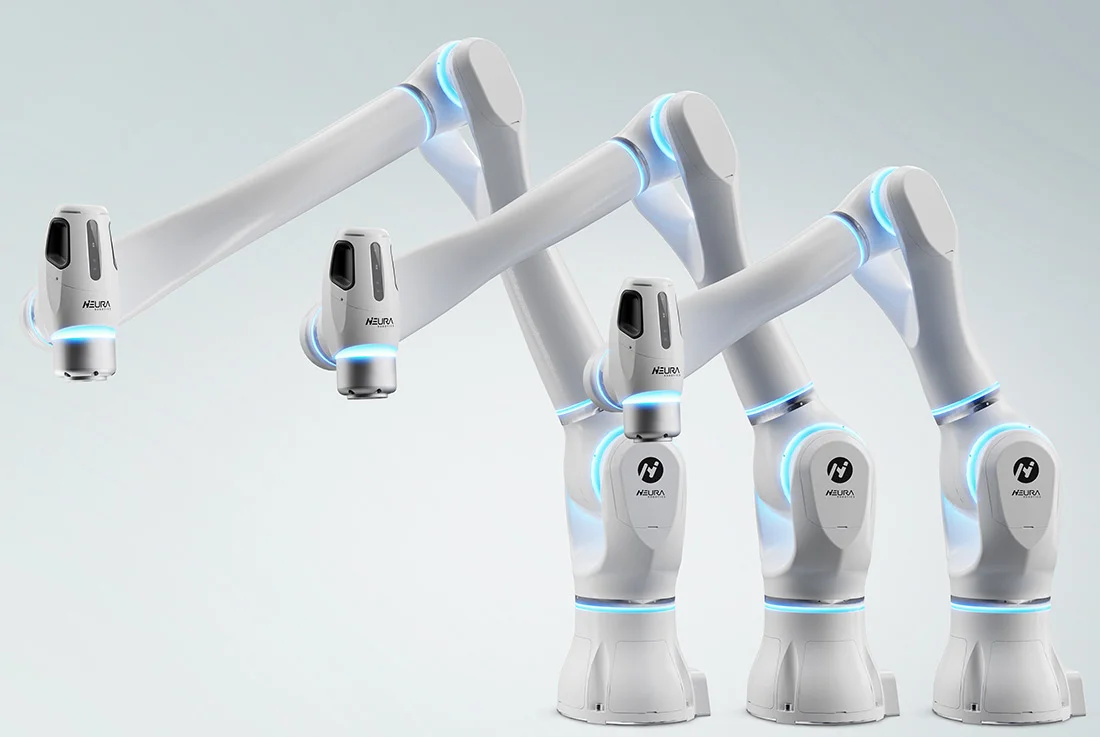
Maira Robot
What Does Cognitive Robot Mean?
A cognitive robot like Maira can:
- Learn from data and past experiences.
- Understand natural language.
- Make decisions based on context.
- Adapt to new situations without reprogramming.
Maira Robot Review
Maira represents a significant step forward in robotics. It combines AI intelligence with real-world interaction, making it more than just a machine—it acts as an intelligent assistant capable of reasoning and problem-solving.
Features of Maira
- Cognitive Intelligence: Maira understands and processes complex information.
- Natural Language Processing (NLP): Maira communicates with humans easily.
- Self-learning Ability: Maira improves performance over time.
- Computer Vision: Maira recognizes objects and environments.
- Human Interaction: Maira responds to emotions and behaviors.
- Real-time Decision Making: Maira acts instantly based on data.
What Can Maira Do?
Maira can perform a wide range of tasks, such as:
- Assisting in healthcare diagnosis support.
- Acting as a smart personal assistant.
- Helping with customer service and support.
- Supporting scientific research and data analysis.
- Operating in hazardous environments (like space or the deep sea).
- Enhancing education through interactive teaching.
Advantages of Maira
- High level of intelligence and autonomy.
- Maira reduces human workload.
- Maira can operate 24/7 without fatigue.
- Maira improves accuracy in decision-making.
- Maira learns and adapts continuously.
Disadvantages of Maira
- High cost of development and maintenance.
- Ethical concerns (privacy, job replacement).
- Maira requires advanced infrastructure.
- Maira may make incorrect decisions if the data is flawed.
- Limited emotional understanding compared to humans.
Maira vs Traditional Robots
The difference between Maira and traditional robots lies mainly in intelligence and adaptability. Maira, as a cognitive robot, is designed to think, learn, and make decisions using artificial intelligence. It can analyze situations, understand context, and improve its performance over time without needing constant reprogramming. In contrast, traditional robots operate based on fixed instructions—they follow pre-programmed commands and cannot adapt easily to new or unexpected situations. This makes Maira far more flexible and capable in dynamic environments.
Another key difference is in human interaction. Maira can communicate using natural language, interpret data, and respond in a more human-like way, making it suitable for roles in healthcare, education, and customer service. Traditional robots, however, have limited interaction abilities, often restricted to repetitive industrial tasks such as assembly lines. While traditional robots are reliable and efficient for specific tasks, Maira offers a more advanced approach by combining automation with intelligence, paving the way for smarter and more interactive robotic systems.
FAQ about Maira
1. What makes Maira different from other robots?
Maira can think, learn, and adapt, while most robots simply follow fixed instructions.
2. Is Maira capable of replacing humans?
No, Maira is designed to assist humans, not replace them entirely.
3. Where is Maira used?
It can be used in:
- Healthcare.
- Education.
- Industry.
- Customer service.
4. Does Maira improve over time?
Yes, it uses machine learning to continuously improve performance.
5. Is Maira safe to use?
Generally, yes, but safety depends on proper programming and ethical use.
6. Can Maira understand emotions?
To some extent, it can analyze human behavior, but it does not truly feel emotions.
Maira represents the future of robotics, where machines are no longer just tools but intelligent partners. With its cognitive abilities, it opens the door to a new era of innovation—though it also raises important ethical and societal questions that must be carefully managed.
You can subscribe to Science Online on YouTube from this link: Science Online
Advantages and disadvantages of using robots in our life
Robot teachers use, advantages and disadvantages
Automation in manufacturing uses, advantages and disadvantages
Industrial robot (Auto industry) uses, advantages and disadvantages
The advantages and disadvantages of robots in factories
Robots types, advantages, uses, features and models (Humanoid, Military, Industrial, Nano-robots)