Formation and importance of the soil, How can soil be conserved?, How does soil support the environment?
The soil is the main component of the environment as it is necessary for all living organisms (plants, animals and human), the plants take minerals and other nutrients from the soil to live and grow.
Importance of the soil
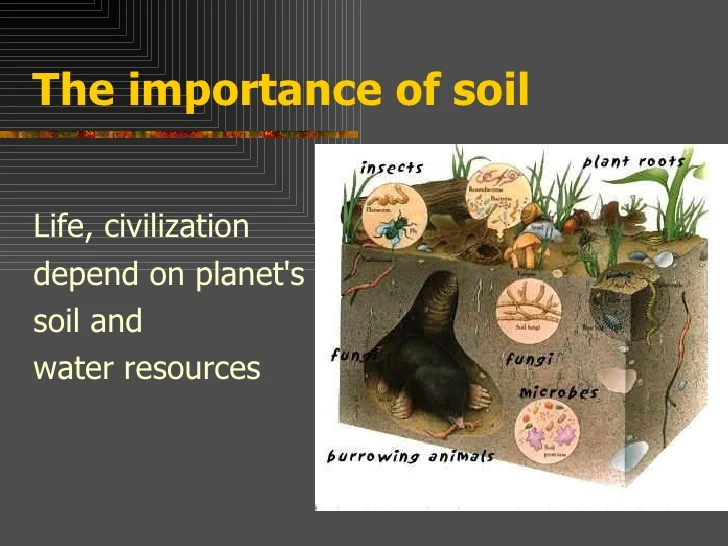
The animals eat the plants that previously depend on the soil to grow. Some animals make their homes in the soil (the soil is the shelter of some animals). Man eats the plants and the animals that previously depend on the soil to grow.
If there is no soil, the plants can not grow and there is no food for the animals and human and there is no shelter for a lot of the living organisms.
Soil importance
Formation of the soil
The soil can be formed by the breaking down of the rocks by several factors, such as the wind that breaks down the rocks forming the soil, the heat and rains break down the rocks over time, forming the soil, and water rushing breaks down the rocks into small pieces, which form the soil.
The factors affecting soil formation are the climate (the precipitation, the temperature), the vegetation (the plant), the parent material (geological and organic), the organisms (the soil microbes and fauna), and the relief (the configuration of the surface).
How was the soil of Egypt formed?
The origin of the soil of Egypt is the rocks of the Ethiopian Plateau. When they are exposed for millions of years to several factors (such as heat, winds, rains, and running water), they are broken into small particles of different sizes and shapes.
The flood water carried these particles of the rocks to the River Nile, then to the Nile Valley, where they are deposited year after year as layers of clay and silt.
The clay and the silt are very important components for the soil as they are rich in the elements that are necessary for plant growth.
FAQ about Formation and Importance of Soil
1. How is soil formed?
Soil is formed through the slow process of weathering, where rocks break down into smaller particles due to physical, chemical, and biological factors such as wind, water, temperature changes, and living organisms.
2. What are the main factors affecting soil formation?
The main factors include climate, parent rock material, living organisms, topography (land shape), and time. These factors work together over thousands of years to form soil.
3. What are the stages of soil formation?
Soil formation begins with the breakdown of rocks, followed by the addition of organic matter, and then the development of distinct soil layers called horizons.
4. Why is soil important for plants?
Soil provides essential nutrients, water, and support for plant roots, helping plants grow and produce food.
5. What is the importance of soil for humans?
Soil is vital for agriculture, which provides food, fiber, and raw materials. It also supports ecosystems and helps in water filtration.
6. How does soil support the environment?
Soil plays a key role in storing carbon, regulating water cycles, and providing habitat for many organisms like insects, bacteria, and fungi.
7. What are the types of soil?
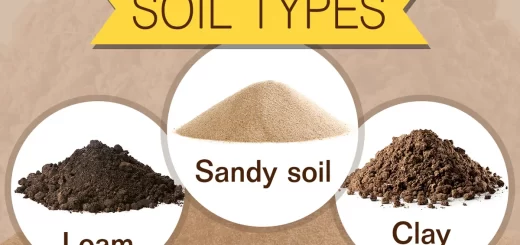
Common types include sandy soil, clay soil, silt soil, and loamy soil, each with different properties and uses.
8. How can soil be conserved?
Soil can be conserved through practices like planting trees, reducing erosion, crop rotation, and avoiding overuse of chemicals.
You can follow Science Online on YouTube from this link: Science online