GPRS technology uses, advantages and disadvantages
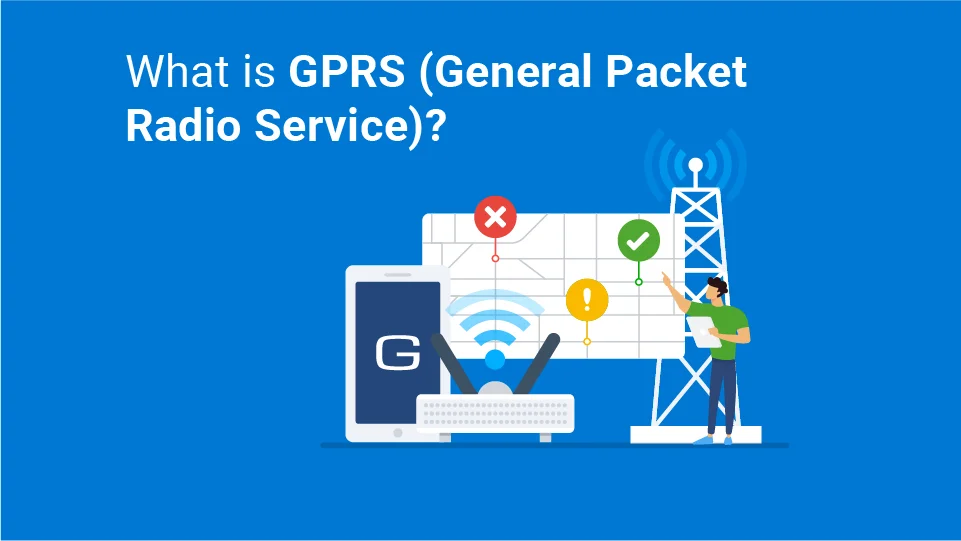
GPRS becomes a part of everyday jargon, like calls or SMS. It is a mobile telephony service that helps mobile phone users connect to the Internet using their phones. It is a non-voice service which offers wireless packet data access within GSM networks (Global System for Mobile Communication).
GPRS technology
GPRS means General Packet Radio Services. Although newer, Faster mobile technologies such as Edge, 3G (Third Generation), Universal Mobile Telecommunication Service, and high-speed download packet access or HSDPA access have been developed for mobile devices, GPRS is supported by most mobile networks.
GPRS was widely used before mobile phones started becoming Wi-Fi–enabled. It is very much in the backseat as of now. It is a variable alternative in emergencies, when other means of connecting to the Internet are not available.
GPRS technology uses the unused portions of the GSM bandwidth to transmit and receive data packets. The difference between the conventional connection and GPRS is that a certain level of quality is guaranteed in the conventional connection. There is no guarantee in GPRS; It operates within the best possible attempt scenario.
GPRS
Advantages of GPRS
GPRS technology brought mobile phone users out from the world of WAP & into the world where the Internet was finally available on mobiles. Large amounts of data can be transferred to and from the mobile device over the Internet by using GPRS.
GPRS-enabled mobile phones double up as portable Internet connections for laptops. In some cases, where Internet access is not readily available but the mobile network is and GPRS can be a lifesaver.
Most phones can be used as a modem once connected to the laptop. GPRS is a great backup option. The portability factor has diminished somewhat, with the advent of much faster data cards that plug directly into the laptop.
GPRS access is possible in remote places. Communication via GPRS is cheaper than through the regular GSM network. The instant-messenger services and mobile email help you to send messages for cheaper rates via GPRS connection, as opposed to transmitting messages via SMS or short message service.
The customers pay for the amount of data transported only and not for the duration of the Internet connection. GPRS offers wireless access to the Internet from any location where there is a network signal. It enables you to surf the Internet on your laptop or phone, even in remote areas.
Through GPRS technology, the users are constantly connected to the Internet. As GPRS services are available wherever there is GSM coverage, it allows you to connect to the Internet when other services such as 3G or HSDPA are not available.
Although new, faster technology exists today, GPRS is faster than the older WAP (Wireless Application Protocol) and regular GSM services. GPRS data is transferred at speeds ranging from 9.6 kilobytes per second up to 114 kbps.
If you access the Internet through GPRS, it does not block incoming calls through the GSM network; It enables you to make or receive voice calls while you are browsing the Internet or downloading data.
Disadvantages of GPRS
GPRS technology uses the cellular network’s GSM band to transmit data, more often than not, when the connection is active. The calls and the other network-related functions cannot be used. The data session will go on standby. It is a characteristic typical of the Class B GPRS device.
There are Class A devices as well, where there are two radios incorporated into the device, allowing both features to run simultaneously. Although Class A devices tend to be more expensive and by extension, less popular, Most mobile phones fall in the Class B category.
Most GPRS connections run slower than 56K connections on the computer because of the limitations of the GPRS technology. Although certain enhancements exist that help raise the bar, the speed does not compare to using the wired network connection or the alternative mobile Internet connection.
GPRS connection is faster than the others, because of the voice traffic load on the base station you use for your connection, You may have problems with your GPRS communication if many people talk on their phones at the same time in your area, The voice calls have a higher priority than the data packet transmissions, essentially giving you the fluctuations in your connection speed.
We sometimes notice a drop in performance as we move because of the distance factor involved in GPRS technology. The farther away you are from the base station, the more your performance drops. This problem occurs less frequently in the urban areas.
You can follow Science Online on YouTube from this link: Science online