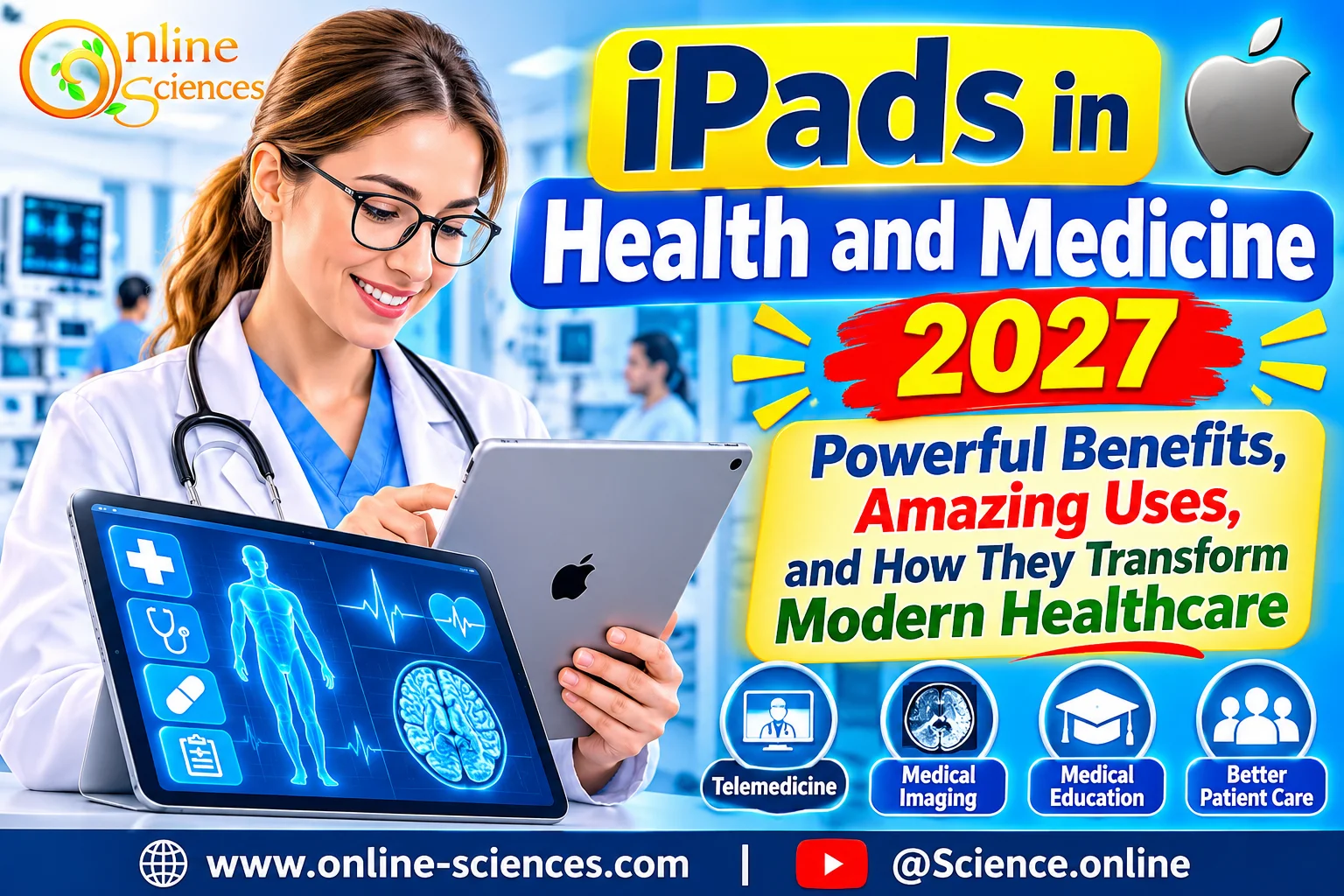
iPads in Health and Medicine 2027: Powerful Benefits, Amazing Uses, and How They Transform Modern Healthcare
iPads in health and medicine are transforming the way doctors, nurses, hospitals, and healthcare professionals deliver medical services. With their portability, touchscreen technology, powerful applications, and secure access to digital information, iPads help improve patient care, simplify medical tasks, and make healthcare more efficient. From electronic medical records and medical education to telemedicine and patient monitoring, Apple’s iPad has become a valuable tool in modern healthcare.
iPads in Health and Medicine 2027
iPads in medicine
iPad is a tablet computer designed, iPads are the main tools of internet technology that have a huge effect on the Healthcare Industry. iPads are becoming more pervasive and popular by the day, and they are perfect tools for doctors.
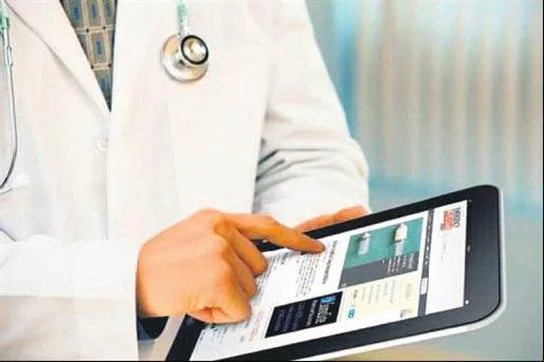
iPads are very useful as they are portable, light, and they suit many purposes. You can access other bedside information regarding the patient, such as X-rays, CT scans, or MRIs, and lab values. The doctors are allowed to insert photos of the pathology into a patient’s chart; the iPad contains charting on the patient, it is as education for the patient.
iPads in Health and Medicine
The battery of the iPad lasts throughout the day, and the Multi-Touch screen gives you a better way to organize information, whether you’re presenting clinical articles or patient videos.
iPads are better for the environment, and they are more versatile as information delivery systems. They help the doctors and the patients look at the images together, so they are considered diagnostic tools.
There are countless apps related to medicine or medical school on the App Store; iPads enhance patient care on the wards by integrating the power of the electronic medical record and computerized order-entry system on rounds.
The clinical information and literature can be accessed from any location within the hospital or clinic; iPads are very useful as they contain email, calendar, and contacts, and the web browser connects the users to the World Wide Web.
iPads are certainly better adapted for reading large bodies of text than smartphones, and their handheld touch-based interface provides a more natural reading experience than laptops or desktop screens.
iPads have a rich user interface; they have native support for eReading, strong graphics (color) capabilities, and can use various medical calculators (there is a slew of them already in the App Store).
iPads have numerous medical apps which provide an incredibly rich learning environment for medical students; iPads are cheap, light, and easy to use.
Importance of iPads in Health and Medicine
Technology plays an increasingly important role in improving healthcare services, and iPads offer several advantages for medical professionals. Their lightweight design allows doctors and nurses to carry them easily between hospital rooms, clinics, and medical departments. They can quickly access important patient information, review test results, and communicate with other healthcare professionals.
One of the most important benefits of iPads is their ability to support electronic health records (EHRs). Doctors can use medical applications to review patients’ medical histories, prescriptions, allergies, laboratory results, and treatment plans. This helps healthcare professionals make informed decisions and reduces dependence on traditional paper records.
7 Important Uses of iPads in Healthcare
- Electronic Medical Records: Doctors and nurses can use iPads to access, update, and manage electronic patient records. This makes medical information easier to retrieve and helps improve communication between healthcare teams.
- Medical Imaging and Diagnosis: iPads can display medical images, including X-rays, CT scans, MRI images, and ultrasound examinations. Healthcare professionals can review images and discuss findings with patients. However, diagnostic interpretation should use appropriately approved, calibrated medical displays and software when required.
- Telemedicine and Remote Healthcare: iPads support video consultations between doctors and patients. Through telemedicine applications, patients can receive medical advice, discuss symptoms, and follow up on treatments without always visiting a hospital.
- Medical Education and Training: Medical students can use iPads to access digital textbooks, anatomy applications, medical videos, scientific research, and interactive learning resources. These tools make learning more engaging and support medical training.
- Medication Management: Healthcare professionals can use specialized applications to review medication schedules, check drug information, and manage prescriptions. This can help reduce medication errors when integrated with appropriate clinical procedures.
- Patient Communication and Education: Doctors can use iPads to explain diseases, treatments, surgical procedures, and medical conditions through illustrations, videos, and interactive presentations. This helps patients understand their health and participate in treatment decisions.
- Hospital Management and Monitoring: iPads can support appointment scheduling, patient administration, clinical documentation, and access to compatible monitoring systems. They can also help healthcare teams coordinate their work and improve hospital efficiency.
Advantages and Challenges of Using iPads in Medicine
The main advantages of iPads include portability, ease of use, fast access to medical information, improved communication, and support for remote healthcare. They can also reduce paperwork and help medical professionals organize their daily activities.
However, healthcare organizations must consider data privacy, cybersecurity, device cleaning, battery life, and compatibility with hospital systems. Medical information should be protected through encryption, strong authentication, access controls, and secure healthcare applications. iPads should also be disinfected according to hospital infection-control guidelines.
Conclusion
iPads in health and medicine are powerful tools that support modern healthcare by improving access to medical information, facilitating communication, supporting medical education, and making hospital workflows more efficient. Although they cannot replace doctors or specialized medical equipment, they can help healthcare professionals provide more organized, accessible, and patient-centered care.
Frequently Asked Questions (FAQ)
1. How are iPads used in healthcare?
iPads are used to access electronic medical records, review medical images, communicate with patients, manage prescriptions, support telemedicine, and provide medical education.
2. Why do doctors use iPads?
Doctors use iPads because they are portable, easy to operate, and provide quick access to patient information, medical applications, research, and diagnostic resources.
3. Can iPads be used for medical imaging?
Yes. iPads can display X-rays, MRI scans, CT images, and ultrasound images using compatible applications. However, they may not replace certified diagnostic displays.
4. How do iPads improve patient care?
They help healthcare professionals access patient information quickly, communicate more effectively, explain treatments, and coordinate medical services.
5. Are iPads secure enough for medical information?
They can be used securely when properly configured with encryption, authentication, security updates, access restrictions, and healthcare-compliant applications.
6. Can medical students benefit from using iPads?
Yes. Medical students can use iPads for digital textbooks, anatomy learning, medical research, online lectures, and interactive educational applications.
7. Will iPads replace computers in hospitals?
No. iPads complement desktop computers and specialized medical equipment. Different devices serve different healthcare needs.
Explore more science and technology articles on Science Online: https://www.online-sciences.com/
Watch more technology videos on Science Online Channel: https://www.youtube.com/@Science.online