How to Keep Your Stomach & Digestive System Healthy: 10 Proven Tips for Better Gut Health
Keeping your digestive system healthy requires simple daily habits such as eating fiber-rich foods, staying hydrated, and maintaining an active lifestyle. The stomach plays a key role in breaking down food, while the small intestine absorbs nutrients and the large intestine manages water balance and waste removal. Supporting these organs through proper nutrition and stress management can significantly improve digestion and prevent common disorders.
Digestive system care
Maintaining a healthy digestive system starts with proper nutrition. A diet rich in fiber from fruits, vegetables, and whole grains helps move food smoothly through the digestive tract. Probiotic-rich foods like yogurt support beneficial gut bacteria, which are essential for digestion and immunity. Avoiding excessive fatty and processed foods can also reduce the risk of digestive discomfort.
Hydration is another key factor in digestive health. Drinking enough water helps break down food, making it easier for the body to absorb nutrients. It also prevents constipation by keeping stool soft and easy to pass. Along with hydration, regular physical activity stimulates intestinal movement and improves overall digestion.
Lifestyle habits such as managing stress and maintaining regular eating patterns are equally important. Chronic stress can disrupt digestive processes and lead to issues like bloating or indigestion. Eating meals at consistent times and chewing food properly supports efficient digestion. By combining healthy eating, hydration, and good lifestyle habits, you can maintain a strong and balanced digestive system.
The bad habits that affect the digestive system must be avoided. It is very important to keep your digestive system healthy if you want to live a happy life and avoid digestive system diseases.
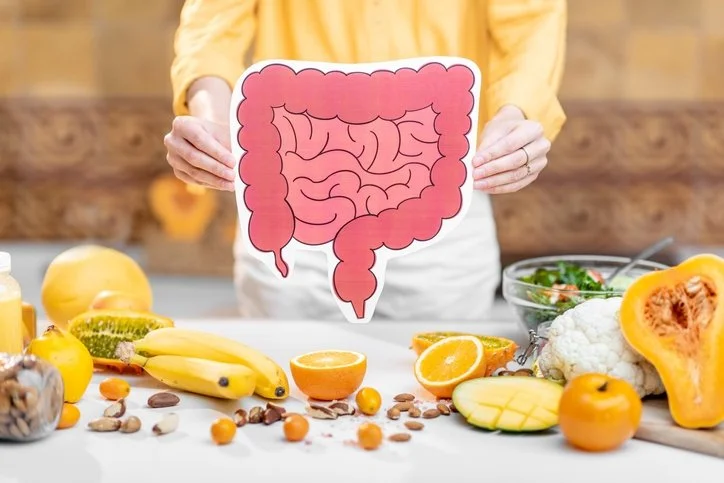
Digestive system healthy
Keep the digestive system healthy
You must eat food that is rich in fibre, such as vegetables and fruits, as fibre makes the digestion process very easy, and you should eat healthy food.
Do not rush eating. The food should be chewed well as the digestion begins in the mouth; chewing also signals the organs, such as the stomach and the pancreas, to secrete their digestive juices.
You should not buy food from street sellers to avoid infectious diseases, and do not eat food that contains flavour additives.
Avoid foods that contain large amounts of fats, such as fast meals, and you should reduce your intake of saturated fats.
Do not smoke, and you should avoid excessive caffeine and alcohol to have a healthy life away from diseases. You should practise sports regularly, as regular exercise helps in strengthening the muscles of the abdomen.
The digestion process requires a large amount of blood flow to your stomach and intestines, so you should not exercise after a large meal.
You should drink suitable amounts of fluid,s especially water, as the digestion process needs a great amount of water because it helps in breaking down the food into simple substances.
Do not drink cold drinks while eating. Food is digested more efficiently at room temperature, and cold fluids slow down the digestion process.
You should eat the meals at regular intervals, you should not skip meals, you should avoid overeating, and try to have a short walk after every meal.
Be quiet, avoid stress as it affects the nerves of the digestive system, and do not be nervous. You should not neglect your digestive system, as it is directly impacted by the food and lifestyle you live.
FAQ about digestive system care
1. How can I keep my digestive system healthy?
You can keep your digestive system healthy by eating a balanced diet rich in fiber, drinking plenty of water, and exercising regularly. These habits help your digestive system function efficiently and prevent common issues.
2. What foods are best for stomach health?
Foods like fruits, vegetables, whole grains, and yogurt are excellent for stomach health. They support beneficial bacteria in the stomach and intestines, improving digestion and nutrient absorption.
3. How does water help digestion?
Water plays a key role in breaking down food and absorbing nutrients. It also helps the large intestine absorb water properly and prevent constipation.
4. Can stress affect the digestive system?
Yes, stress can negatively impact digestion, causing issues like stomach pain, bloating, and even irritable bowel syndrome. Managing stress is important for maintaining gut health.
5. How often should I eat for good digestion?
Eating regular, balanced meals at consistent times helps regulate digestion and supports the natural rhythm of your digestive system.
You can follow science online on YouTube from this link: Science online
Best ways to keep your stomach and digestive system healthy
Digestion in man, Buccal digestion and Gastric digestion (digestion in the stomach)
Small intestine, Absorption of digested food, Metabolism, Large intestine and defecation