Paaila Robot types, features, advantages, disadvantages, What Can Paaila Robots Do?
Paaila Robot refers to a line of service and interactive robots developed by Paaila Technology, a Nepal-based robotics and artificial intelligence (AI) company. These robots are designed not just as machines, but as human-friendly robotic assistants built to perform practical tasks in businesses such as restaurants, hotels, banks, and customer service environments.
What is Paaila Robot?
Paaila Robot refers to a series of service robots developed by Paaila Technology, a Nepali company specializing in robotics and artificial intelligence (AI) solutions. They are designed to assist in real-world business environments, especially in hospitality (like restaurants and hotels), customer service, and reception roles.
Paaila’s robots combine hardware, software, AI, and autonomous navigation to perform tasks traditionally done by humans, such as serving food, greeting customers, answering queries, and guiding visitors. Paaila Robot is a robotic system made by Paaila Technology that uses AI and smart hardware to carry out real-world service and interaction tasks that would otherwise be done by human workers.
Who Makes Paaila Robots
Paaila Technology was founded by a team of engineers focused on creating intelligent robotic solutions that add value to businesses and help companies integrate AI into everyday operations.
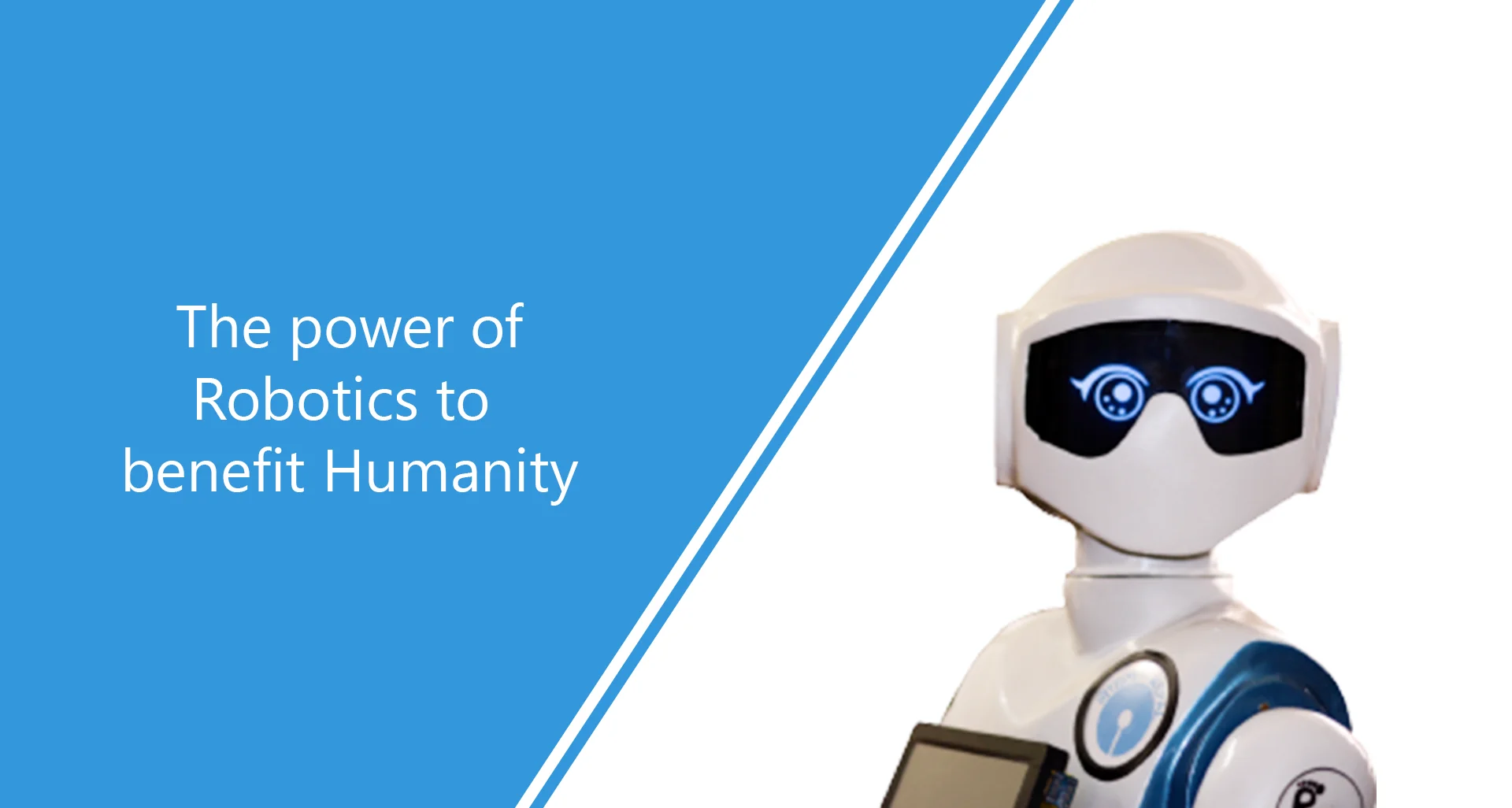
Paaila Robot
What Kind of Robots Are They?
Paaila produces different types of robots depending on their intended role:
- Service robots like waiter robots that deliver food in restaurants.
- Humanoid robots that can interact with customers at receptions or service counters.
- Room-service robots are designed to autonomously deliver items in hotels.
Technologies Behind Paaila Robots
- Artificial Intelligence (AI) and natural language processing for understanding and responding to humans.
- Computer vision and sensors so the robots can see and navigate their environment.
- Autonomous navigation systems allow the robots to move and avoid obstacles without human control.
Real-World Use
One famous deployment is at the Naulo Restaurant in Kathmandu, where multiple Paaila robots serve food and interact with customers — a real-world example of how these machines are used in business environments. Paaila Technology aims to produce human-friendly robots that add value to businesses and help companies digitize operations using AI and robotics.
Types of Paaila Robots
- Ginger – Waiter & Service Robot: It is an autonomous robot built to serve food and deliver items within restaurants. It uses self-driving navigation with sensors to avoid obstacles and swarm intelligence to coordinate with other robots. Ginger can communicate with customers, take digital orders, and return to charging docks on its own.
- Pari – Humanoid Service Robot: A humanoid robot designed to interact with people in businesses, banks, or reception areas. It can greet customers, answer questions from its internal database, display gestures, and create engaging experiences. Advanced versions (like Pari 2.0) include face recognition, autonomous navigation, chatting capabilities, and automatic docking.
- Ferry – Room Service Robot: It is designed for hotels. Ferry autonomously delivers items to guest rooms and can even call elevators. It uses self-navigation and docking to operate with minimal human oversight.
Features of Paaila Robots
- Artificial Intelligence Integration: Paaila Robot uses computer vision, natural language processing, and AI to understand its environment and interact with users. It enables basic conversational ability and query answering for customers.
- Autonomous Navigation: Robots can move through real spaces without human control, avoid obstacles, and optimize paths. Some models can also handle feature extensions like elevator operation in hotels.
- Swarm Intelligence: Paaila Robot is especially with Ginger; multiple robots can communicate and coordinate tasks efficiently within a space (like restaurant service).
- Human Interaction: Paaila Robot is designed to engage customers with speech, greetings, gestures, and even entertainment like telling jokes. Some versions can recognize faces and address people personally.
- Self-Docking & Power Management: Paaila Robot automatically returns to charging docks when low on power, allowing continuous operation without manual intervention.
What Can Paaila Robots Do?
- Restaurant & Hospitality: Paaila Robot can deliver food from the kitchen to tables autonomously. It can interact with customers to enhance dining experiences. It can reduce the manual service workload for staff.
- Hotel Services: Ferry can deliver towels, water, breakfast, and other items to rooms. It can operate elevators by interpreting room numbers and requests.
- Customer Reception: Humanoid robots greet visitors in banks, offices, and showrooms. They provide information, answer queries, and guide guests.
Advantages of Paaila Robots
- Improved Efficiency: Robots can perform repetitive tasks consistently without fatigue, saving time for human staff to focus on more complex duties.
- Enhanced Customer Experience: Robots provide a modern and engaging service that can attract customers and make interactions memorable.
- Automation & Convenience: With autonomous navigation and self-charging, robots reduce the need for constant human supervision and labor.
- Business Digitization: Integrating robotics can modernize traditional services and push businesses toward digital transformation.
Disadvantages of Paaila Robot
- High Initial Costs: Developing and deploying robots can be expensive compared with human labor in many markets.
- Technical Limitations: Robots may be slow, less adaptive to unexpected situations, and require specialized maintenance or upgrades.
- Limited Social Intelligence: Even advanced robots have a restricted understanding of nuanced social interactions, limiting their effectiveness in complex engagements.
- Dependence on Environment Setup: To operate well, spaces may need changes like digital menus or layouts suitable for robot navigation.
Paaila Robots represent an exciting step in integrating AI and robotics into everyday business services. From automated restaurant service to interactive customer reception, these robots demonstrate how machines can assist humans in practical, customer-facing roles. They help businesses improve efficiency and customer engagement, even if there are challenges related to cost and technical limits.
You can follow Science online on YouTube from this link: Science online
Miko Robot Features, importance, and drawbacks, Miko 2 vs Miko 3
Miko review, types, features advantages and disadvantages
Miko 2 vs Miko 3, Difference between Miko 2 and Miko 3
Loona robot review, advantages, disadvantages and what can Loona do?
Sophia robot review, features, use, advantages and disadvantages
Educational robotics, Robot teachers, Social robots review, features advantages & drawbacks
Humanoid robots use, risks, advantages and disadvantages