Pillo: Your Personal Home Health Robot, Pillo robot advantages and disadvantages
Pillo is a voice-activated, AI-enabled healthcare assistant that combines medication dispensing with personal companionship. It reminds users to take their medications, dispenses up to 28 days’ worth of doses, and offers features like facial recognition to ensure the right person receives the right medication.
What is Pillo?
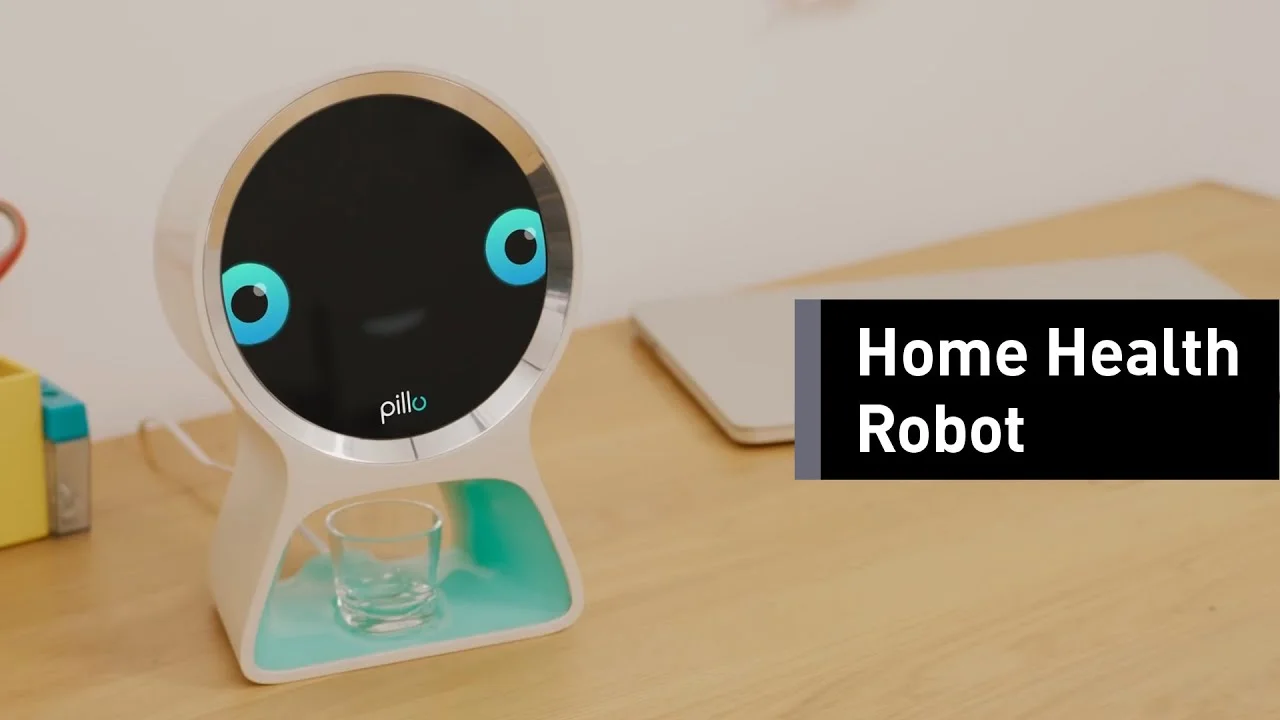
Pillo Robot is an AI–powered home health assistant designed to help users manage their medications and stay connected with caregivers. It combines a secure, automated pill dispenser with voice interaction, facial recognition, and caregiver alerts, allowing it to remind, dispense, and track doses while also answering health-related questions and enabling video calls.
Pillo, the smart home health companion robot—designed to help manage medications with a friendly, interactive touch. Its goal is to support independent living for elderly individuals, people with chronic illnesses, or anyone on complex medication schedules, while keeping family members and healthcare providers informed.
Beyond dispensing pills, Pillo can answer general questions about health, weather, nutrition, and more. It can facilitate two-way video calls, enabling caregivers to check in remotely. It can sync with a mobile app, notifying caregivers when a dose is taken or missed. It’s positioned as both a medication manager and a virtual health assistant that supports independence while keeping caregivers in the loop.
Pillo Robot
Pillo’s technology was commercialized through a partnership with Stanley Black & Decker, resulting in the Pria robot launched in 2019. Pria includes a sleek, anthropomorphic design and similar features: voice commands, facial recognition, dispense reminders, and remote monitoring via an app.
Priced around $750 with a one-year subscription, or an introductory $600 with six months free, Pria was aimed specifically at caregivers managing the medication regimens of chronically ill or elderly individuals.
Pillo Robot automates daily medication routines and reduces forgetfulness. Facial recognition prevents unauthorized use. Notifications and video chats keep caregivers informed and supported. More than a dispenser—it acts like a companion, answering questions and offering reminders.
Pillo exemplifies the growing sector of companion robots aimed at providing in-home health support—especially for older adults and people with chronic conditions. While it won’t replace human caregivers, it helps streamline care and reduce stress for both users and their families.
Pillo Robot features
The Pillo Robot (and its commercial version, Pria by Black+Decker):
- Medication Management: Automated pill dispensing for up to 28 days of medication supply. Scheduled reminders using voice, screen notifications, and lights. Pillo Robot has facial recognition to ensure medication is given to the right person. Secure storage — medication is locked inside until dispensing time.
- Smart Voice Assistant: Pillo Robot answers questions about health, nutrition, weather, and general info. It provides health tips and reminders for hydration, meals, or exercise. Voice-activated interaction (like Alexa or Google Assistant).
- Caregiver Connectivity: Pillo Robot sends alerts when a dose is taken, missed, or skipped. Mobile app sync for caregivers and family members. Two-way video calls for remote check-ins.
- User Recognition & Security: Pillo Robot prevents accidental or unauthorized medication dispensing. Facial recognition + voice ID for personalized interaction.
- Display & Interaction: Touchscreen interface for setup, settings, and communication. Animated, friendly “face” to give a companion-like feel.
- Additional Health Support: Pillo Robot can store health history and track medication adherence over time. It works as a home health hub by integrating with health apps and devices.
- Design & Practicality: Pillo Robot is compact and fits on a table or countertop. It requires an internet connection (Wi-Fi). Battery backup to keep schedules during short power outages.
Pillo Robot advantages
- Improves Medication Adherence: Pillo Robot reduces the risk of missed or double doses by automating schedules.
- Facial Recognition Security: Pillo Robot ensures only the intended user can access the medication.
- Caregiver Connectivity: Pillo Robot sends real-time alerts to family or caregivers through the app. It enables two-way video calls for remote check-ins.
- User-Friendly & Interactive: Voice commands, touchscreen, and friendly animations make it approachable.
- Multi-Function Device: Pillo Robot works as a health information assistant, not just a pill dispenser.
- Safe Storage: Medications are locked inside until the correct time, preventing accidental overdoses.
- Support for Independent Living: Pillo Robot helps elderly or chronically ill users stay independent longer.
Disadvantages of Pillo Robot
- High Cost: Around $600–$750 plus a subscription, which can be expensive.
- Subscription Requirement: Some features (alerts, video calls) require ongoing service fees.
- Limited Storage Capacity: Pillo Robot holds about 28 days of medication — not ideal for larger supplies.
- Internet Dependence: The Pillo Robot requires Wi-Fi for most functions and loses remote features without it.
- Not a Medical Professional Replacement: Pillo Robot can’t adjust medication plans or detect physical health changes on its own.
- Maintenance Required: Users and caregivers must still refill medication trays regularly.
You can follow Science Online on YouTube from this link: Science online
Sophia robot review, features, use, advantages and disadvantages
Robot teachers use, types, advantages and disadvantages
Advantages and disadvantages of using robots in our life
Automation in manufacturing use, advantages and disadvantages
Humanoid robots use, types, risks, advantages and disadvantages
Pepper robot review, features and What can Pepper do for your business?
Boston Dynamics Atlas review, advantages and features, How does Atlas robot work?