
Classification of mammals according to kind and number of teeth, What is the importance of studying teeth in mammals?
Mammals are classified according to the kind and the number of teeth into the edentates mammals (The teethless mammals), and the mammals having teeth. This classification not only helps in identifying different species but also provides insight into their behavior, diet, and adaptation to their environment.
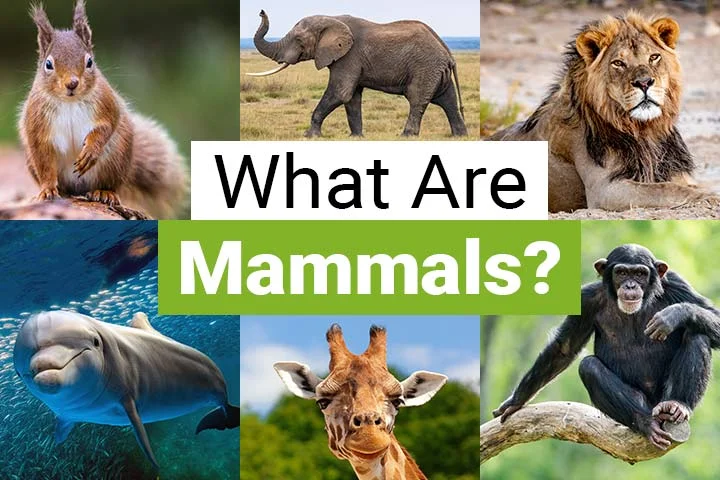
Mammals
Mammals are a diverse group of animals that can be classified in different ways, one of the most important being based on their teeth. The kind and number of teeth in mammals vary greatly depending on their feeding habits and lifestyle. Teeth play a vital role in helping mammals obtain and process their food, making them an essential feature for classification and study. By examining the types of teeth—such as incisors, canines, premolars, and molars—and their arrangement, scientists can determine whether a mammal is a herbivore, carnivore, or omnivore.
Mammals
Edentates mammals
Edentates mammals (the teethless mammals) such as the sloth and the armadillo.
Mammals having teeth
The mammals having teeth are divided according to the shape and the kind of teeth into:
There are animals that have front teeth extending outwards to capture the insects, such as the hedgehog. The mammal’s teeth are specialized for the food it eats, and it is usually possible to determine a mammal’s diet by examining its teeth.
The incisors, which are the front teeth, are used for biting and cutting food. The canines are used for stabbing and holding. Lining the jaw are the premolars and the molars.
As the mammal chews, its upper and lower molars fit together, crushing and grinding the food. Some animals have pointed canines and molars with sharp projections, such as the lion, the tiger, and all the carnivorous.
There are animals that have sharp incisors, which are divided according to the number of incisors in each jaw into the rodents and lagomorphs.
The rodents have one pair of incisors in each jaw, such as the rat, the jerboa, and the squirrel. The lagomorphs have two pairs of incisors in the upper jaw and one pair in the lower jaw, such as the rabbit.
FAQ about Classification of Mammals by Teeth
1. What is meant by the classification of mammals according to teeth?
It is the grouping of mammals based on the type (kind) and number of teeth they have, which reflects their feeding habits and diet.
2. What are the main types of teeth in mammals?
Mammals have four main types of teeth:
- Incisors: used for cutting food.
- Canines: used for tearing food.
- Premolars: used for crushing and grinding.
- Molars: used for grinding food.
3. What is a dental formula?
A dental formula is a way of showing the number and types of teeth in one half of the upper and lower jaws of a mammal.
4. How are mammals classified based on their teeth?
Mammals are mainly classified into:
- Herbivores (plant eaters).
- Carnivores (meat eaters).
- Omnivores (eat both plants and animals).
5. What are the characteristics of herbivores’ teeth?
- Well-developed incisors for cutting plants.
- Flat molars for grinding.
- Canines are absent or reduced.
6. What are the characteristics of carnivores’ teeth?
- Sharp, pointed canines for tearing meat.
- Strong incisors.
- Premolars and molars are sharp (for cutting flesh).
7. What are the characteristics of omnivores’ teeth?
- A mix of sharp and flat teeth.
- Canines for tearing and molars for grinding.
- Adapted for both plant and animal food.
8. Why is the number of teeth important in classification?
The number of teeth helps scientists:
- Identify different species.
- Understand feeding habits.
- Study evolutionary relationships.
9. Do all mammals have the same number of teeth?
No, the number of teeth varies among mammals depending on their diet and lifestyle.
10. What is the importance of studying teeth in mammals?
Studying teeth helps in:
- Understanding animal behavior and diet.
- Classifying animals accurately.
- Learning about adaptation and evolution.
You can subscribe to Science Online on YouTube from this link: Science Online
Modern classification of living organisms, Kingdom (Monera and Protista)
Principles of living organisms classification and Taxonomic hierarchy
Food relationships among living organisms (Predation, Symbiosis & Saprophytism)