
IP Address space types, features, uses, advantages and disadvantages
IP (Internet Protocol) addresses are the unique number codes that the computers connected to the Internet to locate and communicate with one another, There are two main types of IP addresses are static, where the computer keeps a single IP address, and dynamic, where the network assigns the computer a new address each time it connects to the network.
IP Address space
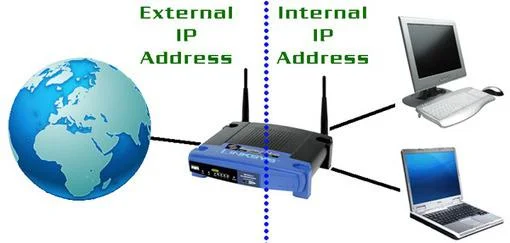
Home computers have two types of IP addresses. One is your external IP address that the world sees as your Internet connection. Then you have your private IP addresses internally on your home network.
If you have one computer on your home network only, it will have the private IP given to it by the router. Private IP addresses cannot be routed over the Internet, and they are strictly for private use. Your external IP address can not be changed, and it is given to you automatically by your Internet provider.
You can purchase a static external IP address, but they are expensive. If you do not need to access your home network from a remote location, consider getting a dynamic address that will update itself when your IP changes.
Computer networks can be either private or public. The private networks are formed by the computers connected, but not to the external networks or the Internet. Each computer in the private network occupies a private IP address space, so, no computer outside the network can find that address or communicate with that computer.
Internet is full of huge content, but it contains its malicious applications and users, from Trojans and viruses to worms and hackers. If the private network is not connected to the external networks or the Internet at large, It is not exposed to these threats easily.
The private network is not vulnerable to technical difficulties outside the network if it is not connected to the external networks. Problems such as losses in Internet connectivity or external server outages do not affect the performance of the private network.
Static IP Address advantages
One of the biggest benefits of a static IP address is that the computers using this type of address can host the servers containing data that the other computers access through the Internet. The static IP address makes it easier for the computers to locate the server from anywhere in the world.
The computers which allow the remote access on the closed network work best with the static IP addresses. This allows different types of computers running different operating systems to access the host system & they search for the same IP address .
The static IP addresses are more stable for Internet use as they never change. In cases of a dynamic IP address, the Internet service provider can automatically change the address regularly, as frequently as every few hours.
It can cause a lapse in the user’s connection. The computer may have trouble reconnecting to the Internet using the new address, and using the static IP address avoids all of these potential problems.
Dynamic addresses require the program that assigns and changes IP addresses, and they may require the users to change the settings on their computers, but Static IP addresses are simpler to maintain and assign. The network administrators can track Internet traffic and assign access to certain users based on IP address identification easily.
In static IP, the small interruption in the connection does not terminate the packet exchange with the service, because there is no change of IP address. It is suitable for applications that use Voice over Internet Protocol (VOIP), gaming applications & Virtual Private Network (VPN).
Every computer connected to the Internet has its unique IP address, The static IP addresses is ideal if your computer, It acts as a server because it gives your server faster file uploads and downloads, The IP does not reset, Your computer do not need to send any request for renewal and it makes it an ideal choice for seamless connectivity.
When you remotely connect to the computer, you do not need to worry about the changes in the IP address during the connected session, when you connect to your computer through applications such as remote desktop, and you do not need to be bothered about losing the IP address.
IP Address
Static IP Address Disadvantages
Every static IP address is occupied by a single computer. As each computer needs a unique address, this limits the number of available IP addresses. It has led Internet service providers to create many different IP standards to introduce more IP addresses into the system and make room for more computers.
The computer that has a static IP address is much easier to track through the Internet. This can be a disadvantage in the case of websites that allow each visitor to download or view a set amount of content.
The only method to view or download the additional content may be to renew the IP address under the dynamic IP address system. In the same way, the copyright enforcers can track the computer users who download the content by tracking the IP address.
Static IPs need to be configured manually. You will need to make a few changes to your router configuration. You need to keep track of the settings yourself. For home networks, this isn’t an issue with only a few machines to worry about, but it is a quite problem for the companies.
A static IP Address causes a security risk because the IP address is constant. It causes a greater chance of hacking the website, You can not change the Static IP easily when it is hacked, So, your system will be very susceptible to continuous attack.
It is imperative to put preventive measures in place before obtaining a static IP such as Internet security suites and router firewalls. You can set the static IP manually, and it is relatively complex, You need an external software for this purpose and a lot of consumer level ISPs lack support for static IPs.
Static IPs are suitable for hosting the servers and the file transfer protocol sites and the cost of running a server is exorbitant. It is complex to transfer the server settings from the static IP computer to a new computer, You should invest in an easily upgradable computer to run a static IP server.
Dynamic IP Address advantages
There are two types of IP addresses, which are Static IP and Dynamic IP. A dynamic IP address causes a lower security risk (as your computer is assigned a new IP address each time you log on), it has a lower cost as compared to the static IP address, and you do not have to do the network configuration.
Dynamic IP Address Disadvantages
There are many security issues. DHCP automation can be a security threat in case of a rogue DHCP server. This server is not under the control of the network personnel. If you connect to it, the information over that connection can be intercepted & looked at, so, the network security and user privacy are violated.
If only a single DHCP server is in place, its failure causes the system great issue, In case of the server failure, any connected computers that don’t have an IP address will try & fail to obtain one, The computers which have an IP address before the server’s failure will try to renew it that will cause the computer losing its IP address.
You should not use Dynamic IP addressing for VOIP, VPN, or playing online games because Dynamic IP addressing is less reliable than Static IP addressing, and it can cause the service to disconnect while you are on a VOIP, VPN, or gaming.
Software firewalls and hardware firewalls advantages and disadvantages
Remote desktop service or Remote Working advantages & disadvantages