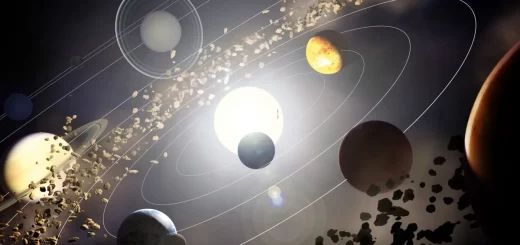
Earthquakes and safety precautions must be taken at the occurrence of earthquakes
The earthquakes are rapid and successive shakes of the ground, which take place one after the other. Every day, the Earth’s crust is exposed to nearly 400 earthquakes. Actually, we do not feel them, but the seismic and the remote sensing detection centers record and track them.
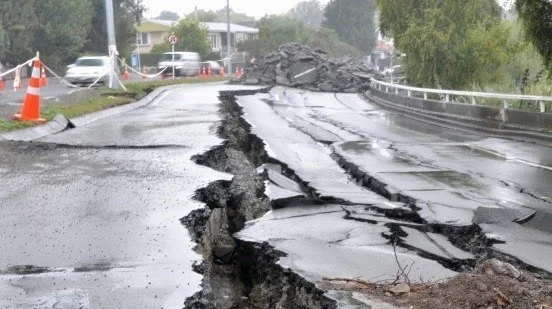
Earthquakes effects
Causes of the occurrence of the earthquake
-
Breaking of the crust and formation of faults (The direct cause of the occurrence of the earthquake).
The fault is a fracture in the Earth’s crust that leads to the sliding of rocks in a vertical direction or in a horizontal direction on both sides of the fracture.
-
The volcanic eruptions may be accompanied by shaking of the ground due to the movement of molten materials and trapped gases before and during their coming out of the Earth’s surface.
Not all volcanic activities are accompanied by earthquakes.
Earthquakes are recorded by an apparatus known as a “Seismograph”. Earthquakes vary in their intensity between very unfelt, smooth shakes and extremely violent shakes that lead to great damage.
Dangers of earthquakes
-
Earthquakes cause great losses in spirits and buildings.
- They cause road blockages, dam destruction, and the occurrence of great fires.
-
They cause extremely high waves in the sea,s which destroy and submerge the coastal cities. These waves are called “tsunami waves” (marine tide waves).
Tsunami waves are waves of extreme height caused by earthquakes that take place on the ocean floor.
Benefits of earthquakes
It is possible to know the Earth’s internal structure by studying seismic waves of earthquakes and their reflections on the separating surfaces between the inner Earth’s layer.
Safety and security precautions must be taken in the occurrence of earthquakes
- If you were in a building, you must sit under a hard table.
- If you were outdoors, you must go as far away as possible from the building.
-
If you were in the car, you must remain inside.
Earthquake consequences are dangerous shakes that follow the occurrence of the earthquake, and they are relatively less in strength.
FAQ about Earthquakes and Safety Precautions
1. What is an Earthquake?
An earthquake is a sudden shaking of the Earth’s surface caused by the release of energy inside the Earth’s crust. It usually occurs due to the movement of tectonic plates along faults.
2. What causes earthquakes?
- Movement of tectonic plates.
- Volcanic activity.
- Underground explosions.
- Collapse of underground mines.
Most earthquakes are caused by plate movement.
3. What is the focus and epicenter?
- Focus (Hypocenter): The point inside the Earth where the earthquake starts.
- Epicenter: The point on the Earth’s surface directly above the focus.
4. What instrument measures earthquakes?
A seismograph measures and records seismic waves.
5. What scale measures earthquake strength?
- Richter scale – Measures magnitude (energy released).
- Mercalli intensity scale – Measures damage and effects.
6. What are seismic waves?
There are three main types:
- P-waves (Primary waves) – Fastest, travel through solids and liquids.
- S-waves (Secondary waves) – Slower, travel through solids only.
- Surface waves – Cause most damage.
7. What are the effects of earthquakes?
- Building collapse.
- Ground cracks.
- Landslides.
- Tsunamis.
- Fires.
- Injuries and loss of life.
Safety Precautions During an Earthquake
1. What should you do DURING an earthquake?
- Drop, Cover, and Hold On: Drop to the ground, take cover under a strong table, and hold on until shaking stops
- Stay Indoors: Do not run outside during shaking, and stay away from windows and glass
- If Outside: Move to an open area, and stay away from buildings, trees, and electric poles.
- If in a Car: Stop in a safe place, and stay inside the vehicle.
2. What should you prepare BEFORE an earthquake?
- Emergency kit (water, food, flashlight, first aid kit).
- Secure heavy furniture.
- Know safe spots at home.
- Learn emergency numbers.
3. What should you do AFTER an earthquake?
- Check for injuries.
- Turn off the gas and electricity if damaged.
- Avoid damaged buildings.
- Listen to the official instructions.
4. Can earthquakes be predicted?
No, earthquakes cannot be predicted accurately, but scientists can identify high-risk areas.
5. Where do most earthquakes occur?
Along tectonic plate boundaries, especially around the Pacific Ring of Fire.
6. What is the safest place during an earthquake?
Under strong furniture away from windows.
7. Can small earthquakes lead to big ones?
Sometimes small earthquakes are foreshocks, but not always.
8. Why do aftershocks occur?
Aftershocks happen because the Earth’s crust adjusts after the main earthquake.
You can follow Science Online on YouTube from this link: Science Online