Telehealth, Telemedicine, and Telecare: Telehealth vs Telemedicine
Telemedicine allows doctors and patients to connect and exchange medical information from different locations using the internet and electronic devices. Patients can consult doctors from home, saving time and travel costs.
Telemedicine
Telemedicine is the use of digital communication technologies—such as video calls, mobile apps, and online platforms—to provide medical care, consultation, diagnosis, and treatment to patients remotely, without the need for an in-person visit. Example: A patient can video chat with a doctor to discuss symptoms, receive a diagnosis, and get a prescription—without visiting a clinic.
What is telemedicine?
Telemedicine is the practice of using digital communication technologies—such as video calls, phone calls, mobile apps, and online platforms—to provide medical care, consultation, diagnosis, and treatment to patients remotely, without the need for an in-person visit.
Telemedicine allows doctors and patients to connect from different locations, making healthcare more accessible, especially for people in rural areas or those unable to travel. Example: A patient can talk to a doctor through a video call, describe symptoms, receive a diagnosis, and get a prescription online.
Telehealth vs Telemedicine
Telemedicine features
- Remote Consultations: Patients can speak with doctors via video calls, phone calls, or chat without visiting the clinic.
- Electronic Health Records (EHR): Secure digital storage and sharing of patient medical history, test results, and prescriptions.
- Remote Monitoring: Devices and apps can track vital signs (like heart rate, blood pressure, glucose levels) and send data to healthcare providers.
- Online Prescriptions: Doctors can issue or renew prescriptions electronically after an online consultation.
- Appointment Scheduling: Patients can book, reschedule, or cancel appointments online.
- Digital Payment Systems: Secure online payment options for consultations and medical services.
- Multi-specialty Access: Patients can reach specialists (e.g., cardiologists, dermatologists, psychiatrists) from different locations.
- Data Security and Privacy: Encryption and authentication systems protect patient information and ensure confidentiality.
- 24/7 Availability: Some telemedicine platforms offer round-the-clock access to healthcare professionals.
- Integration with Wearable Devices: Smartwatches and health trackers can automatically share health data with doctors.
Advantages of Telemedicine
- Convenience and Accessibility: Patients can consult doctors from home, saving time and travel costs.
- Access to Specialists: People in rural or remote areas can reach medical experts without long-distance travel.
- Time Efficiency: Telemedicine reduces waiting time for appointments and allows faster follow-ups.
- Cost-Effective: Lowers expenses related to transportation, hospital stays, and clinic operations.
- Continuity of Care: Telemedicine enables regular monitoring of chronic diseases (like diabetes or hypertension).
- Reduced Risk of Infections – Telemedicine minimizes exposure to contagious diseases in hospitals or clinics.
- 24/7 Support – Some services offer round-the-clock consultations, especially for emergencies.
- Digital Health Records – Easy sharing and storage of medical information for coordinated care.
Disadvantages of Telemedicine
- Limited Physical Examination: Doctors can’t perform hands-on assessments or procedures remotely.
- Technical Issues: Poor internet connection or device problems may disrupt consultations.
- Privacy Concerns: Risk of data breaches or unauthorized access to sensitive health information.
- Licensing and Legal Barriers: Different regulations may limit cross-border medical consultations.
- Not Suitable for Emergencies: Serious conditions often require in-person treatment.
- Reduced Personal Interaction: Lack of face-to-face contact may affect the doctor–patient relationship.
- Digital Divide: Elderly patients or those without access to technology may struggle to use telemedicine platforms.
Telehealth
Telehealth is the use of digital communication technologies—such as computers, smartphones, and the internet—to deliver a wide range of health-related services and information remotely. It includes not only clinical care (like telemedicine) but also non-clinical activities, such as health education, remote monitoring, administrative meetings, and professional medical training.
Example: Telehealth can involve a doctor consulting a patient online, a nurse monitoring a patient’s blood pressure remotely, or a hospital providing online health education sessions.
Difference between Telehealth and Telemedicine
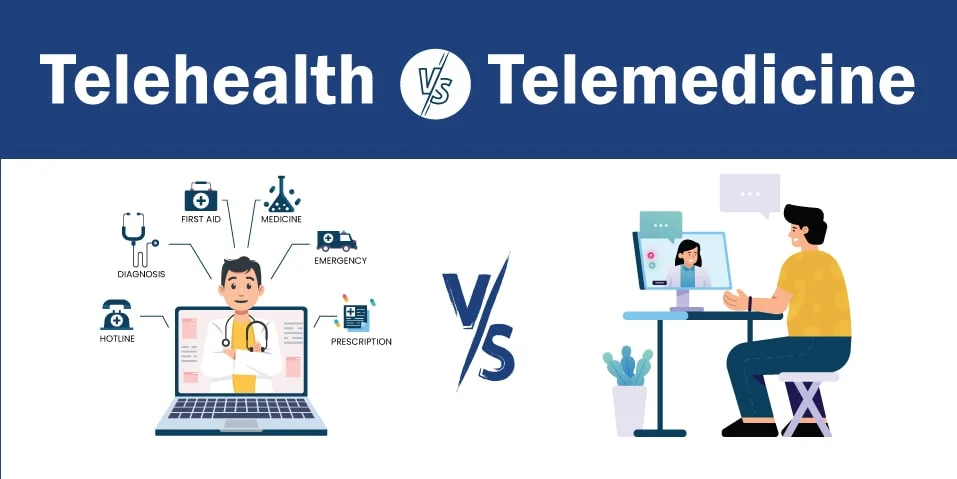
Telemedicine: The use of technology to provide clinical medical services remotely (like diagnosis, treatment, and consultations). It focuses only on doctor–patient interactions for medical care. Examples: Online doctor consultations, remote diagnosis, and prescribing medication. It is mainly used by doctors and patients. It is used to deliver clinical healthcare remotely.
Telehealth: A broader term that includes both clinical and non-clinical services, such as education, training, and health administration. It covers all digital health services, including telemedicine, remote monitoring, health education, and public health programs. Examples: Telemedicine + virtual fitness classes, remote medical training, patient health education, and administrative meetings. It is used by doctors, patients, educators, administrators, and researchers. It is used to improve overall healthcare delivery and health system efficiency using technology.
You can subscribe to science online on YouTube from this link: Science Online
Web Conferencing (Video Conferencing) use, advantages and disadvantages
RP-VITA telemedicine robot review, features, advantages and disadvantages
Telepresence robots uses, advantages & disadvantages
Online marketing uses, advantages and disadvantages
Robot teachers uses, advantages and disadvantages
Humanoid robots use, types, risks, advantages and disadvantages
Ava Telepresence Robots review, features, advantages, disadvantages and How do Ava robots work?