MOFLIN | An AI Pet Robot with Emotional Capabilities, Is Moflin a good alternative to a real pet?
Moflin is an AI-driven, plush-like robot pet that provides companionship and emotional comfort, with a personality that evolves through interaction with its owner. It recognizes the person who interacts the most, and those interactions shape its responses.
Moflin AI Robot pet
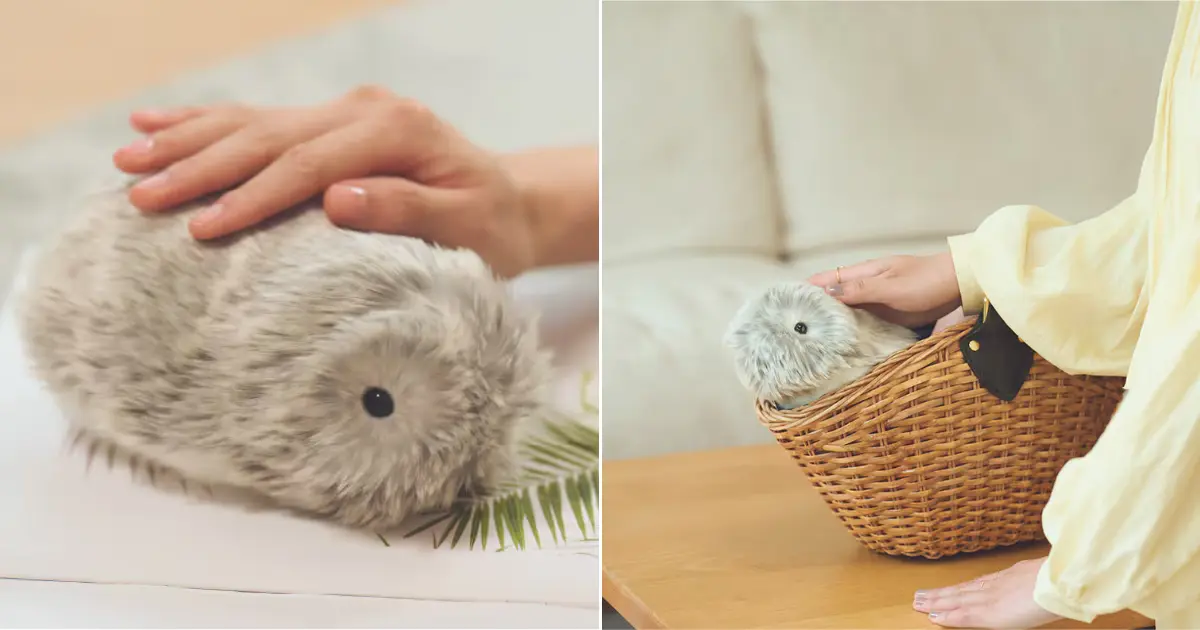
The Moflin AI Robot Pet is a soft, furry, AI-powered companion robot created by Vanguard Industries (and distributed by Casio in Japan). It’s designed to act like an emotional support pet, not a toy or utility robot. Moflin uses artificial intelligence, touch and sound sensors, and adaptive algorithms to develop a unique personality over time, shaped by how its owner interacts with it.
Unlike robotic pets that focus on tricks or mobility, Moflin focuses on emotional bonding. It expresses feelings through subtle body movements, head tilts, and soothing sounds, and its emotional states (like calm, happy, anxious, or stressed) can also be checked through its companion app (MofLife).
Because it doesn’t need food, walks, or veterinary care, Moflin is especially aimed at people who can’t own real animals (due to allergies, apartment restrictions, or lifestyle) but still want comfort, companionship, and stress relief from something pet-like.
Moflin AI Robot pet
What Moflin Can Do?
Emotion simulation & recognition: Moflin AI Robot Pet has an internal “emotion express map” (2D map) that changes based on the environment and how you treat it (touch, voice, interaction). It can feel happy, calm, stressed, anxious, etc., and those states affect how it behaves.
Personality development/evolution over time: Moflin doesn’t come with a fixed personality. The way you interact with it influences its character — e.g. if you pet it, talk to it gently, treat it well, it becomes more affectionate; if ignored, its emotional state can deteriorate (e.g. become more anxious or withdrawn). It “gets attached” to its owner: it learns to recognize the person who interacts the most, and those interactions shape its responses.
Responding to stimuli: Moflin AI Robot Pet responds to voice (tone, who’s speaking) and touch (petting, handling). It can perceive how it’s treated (positive/negative) and adjust its behavior accordingly (e.g., more active or more withdrawn).
Lifelike physical sensations: Soft, furry body meant to be cuddled and provide tactile comfort. Subtle movements — head tilts, wiggles, small motions — and sounds like coos, squeaks, trills. These help in making it feel more “alive.”
Mobile app integration: There’s an app, MofLife, through which you can monitor its emotional states, see personality evolution, and track how much you are interacting. You can check its emotional state (via app), name it, and maybe adjust some settings (e.g. sound volume).
Charging/rest behavior: Moflin has a “charging bed” / dock, which also doubles as its resting/sleeping spot. When placed there, it “sleeps” / charges. Battery life is about 5 hours of interaction, with a shorter “nap” charge (~3½ hours) to restore some ability.
Many personality possibilities: Moflin AI Robot Pet can produce a large number of distinct personality variants (“traits”) depending on how it’s “raised.” Some sources say over 4 million combinations; others say tens of thousands.
Emotional companionship: Its main purpose is comfort, stress relief, and companionship. It isn’t designed to perform tricks or fetch, but rather to soothe, offer presence, and respond in comforting ways. It is used especially for people who want some form of pet-like interaction but may not have the ability or situation to care for a live animal.
Features of Moflin
- Appearance & Design: Moflin AI Robot pet has a soft, furry, rounded body (no distinct limbs), small enough to be held in two hands. It resembles a cross between a guinea pig, hamster, or vague plush toy rather than a specific real animal. It comes in colors like soft gray or light caramel.
- Sensory Inputs: Moflin AI Robot pet is equipped with microphones to hear voice, touch sensors (how it’s handled or petted), and motion sensors to detect movement. These help it respond to interaction.
- Emotional AI / Personality Growth: Moflin develops a personality over time. How you treat it — petting, speaking to it gently, how often you interact — influences its emotional state and its behaviors. It reacts differently if it’s ignored, spoken to, or touched.
- Emotion States & Feedback: Moflin AI Robot pet simulates emotions such as calm, secure, anxious, stressed, happy, and sad. Some of these emotions are expressed through sounds, body wiggles, and head tilts. But more subtle emotions (especially negative ones) may not be obvious without checking the companion app.
- App Integration (“MofLife”): Owners can use a smartphone app (MofLife) to track Moflin’s emotional state, see how its personality is evolving, monitor interaction history, name it, etc.
- Recognition: Moflin learns to recognize its primary handler (voice/touch) and responds differently to them vs. others. It “knows” who spends more time with it.
- Battery & Charging – Up to ~5 hours of interaction on a full charge. Moflin AI Robot pet comes with a charging bed (or “house”) where it goes to “sleep” while charging. This adds to the feeling of it being a living creature. Moflin AI Robot pet also offers a shorter/naptime charge (~3.5 hours) to get enough standby/interaction.
- Maintenance / Support: There is an optional subscription (“Club Moflin”) that covers things like repairs, fur replacement/cleaning, possibly a “salon” for its fur, etc.
- Emotive Expression Modes: Moflin AI Robot pet uses simple movements, subtle wiggles, sounds (coos, squeaks, trills), head tilts, and body shifts to express feelings. No large motions like walking or fetching.
- Number of Personality Variants: Casio claims there are many possible personality combinations/patterns (some articles say “over 4 million” or “40,000+” depending on the source), so each Moflin could behave somewhat uniquely depending on how it has been treated.
- Purpose / Use Case: Moflin AI Robot pet is designed mainly as a comforting companion rather than a toy. Helps with emotional support, relaxation, reducing stress, and loneliness. Less emphasis on interactive games or tricks.
Advantages of Moflin
- Emotional companionship / Stress relief: Moflin is designed to provide comfort, reduce loneliness, and offer emotional support. It responds to touch, voice, and handling in ways meant to feel empathetic.
- Personality that evolves: Over time, it forms its own personality based on how its owner treats it. If you pet it, talk to it, and generally show affection, it becomes more expressive; if ignored, it becomes more withdrawn.
- Soft, cuddly design: It’s made to be held, with soft/hypoallergenic fur, gentle movements and sounds, no sharp edges, and no need for a huge space. Good for people who want comfort without taking care of a real animal.
- Lower maintenance than a live pet: No feeding, watering, veterinary bills, no need to walk it, fewer hassles around noise, smell, waste. More predictable.
- Useful for people who can’t have real pets: Moflin is useful for those in apartments, with allergies, unable to commit to real pet care, children, or the elderly. It fills some social/emotional niche.
- Design & features: Charging “bed” makes recharging feel more natural (it “sleeps”). Recognition of its main handler (voice, touch) so its behaviour is personalized.
Disadvantages of Moflin
- Battery life & charging: Its battery life on a full charge is only about 5 hours of interaction. After that, you need to recharge it (via its bed), which takes time.
- Limited expressiveness / physical limitations: It doesn’t have limbs or perform many actions: no walking, fetching, running around. Expressions of emotion are subtle, mostly via sounds, body wiggles, and head tilts. It can’t display emotions as obviously or richly as a live animal.
- Cost: It is relatively expensive (≈ ¥59,400, which is about US$398) for what it offers compared to simpler robotic toys or alternatives. Plus, there’s an optional subscription service (Club Moflin) for repairs, cleaning, fur replacements etc.
- Emotional feedback mostly via app: Some of its “feelings” or states (e.g. stress, anxiety) are not overtly shown; you may only know them by checking the phone app. That can reduce the immediacy of the emotional bond.
- May not fully replicate the benefits of a real pet: No true sentience, no living needs, no spontaneous behaviour in the way a cat or dog might surprise you. Some users may find this “artificial” or lacking. Also, you don’t get interaction like playing, walking, etc.
- Maintenance / ongoing costs: Even though it’s lower than a real pet, there are still maintenance tasks: keeping it clean, possibly replacing fur, repairs, and a subscription for service. Also, wear and tear, battery degradation.
- Risk of disappointment/expectation gap: Some people might expect too much (thinking it’ll behave quite like a real animal), and then be disappointed by its limitations. Also, emotional attachment to a robot may raise issues if the robot malfunctions, stops working, etc.
You can follow Science Online on YouTube from this link: Science online
Cupboo AI robotic pet review, features, advantages and disadvantages
Sophia robot review, features, use, advantages and disadvantages
Top trending topics on Sophia robots and Can Sophia Destroy humans
Educational robotics, Robot teachers, Social robots review, features advantages & drawbacks
Humanoid robots use, risks, advantages, and disadvantages