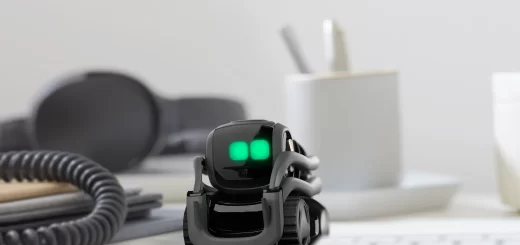
RoboBuddy – Innovative robotic solutions for home and business
RoboBuddy is a generic term often used to describe a small, interactive robot companion designed to help, entertain, and assist users with daily tasks. It usually features smart sensors, voice interaction, mobility, and sometimes AI-powered capabilities that enable it to recognize people, respond to commands, and perform simple tasks.
What is RoboBuddy
RoboBuddy is a toy/children’s robot — a small robot designed for play, entertainment, and simple activities rather than advanced robotics or true AI. It’s described as a “smart interactive robot” or “robot toy with lights and music,” combining physical movement, lights, sounds, and simple controls to create a fun, playful experience.
Its main purposes are play, imagination, and early-level learning/stimulation — especially visual, motor, and perceptual skills (through lights, movement, and interactive play) rather than high-level programming or AI. RoboBuddy can move forward/backward, stop, and spin (360° rotation) — offering mobility rather than being a stationary toy.
RoboBuddy uses colorful LED lights and music or fun sound effects, which help make playtime lively and stimulate visual and auditory senses. It’s often controlled via a remote or simple manual controls — easy enough for children. Through play with RoboBuddy, kids may get early exposure to basic cause-and-effect, motor skills, coordination, and imaginative play.
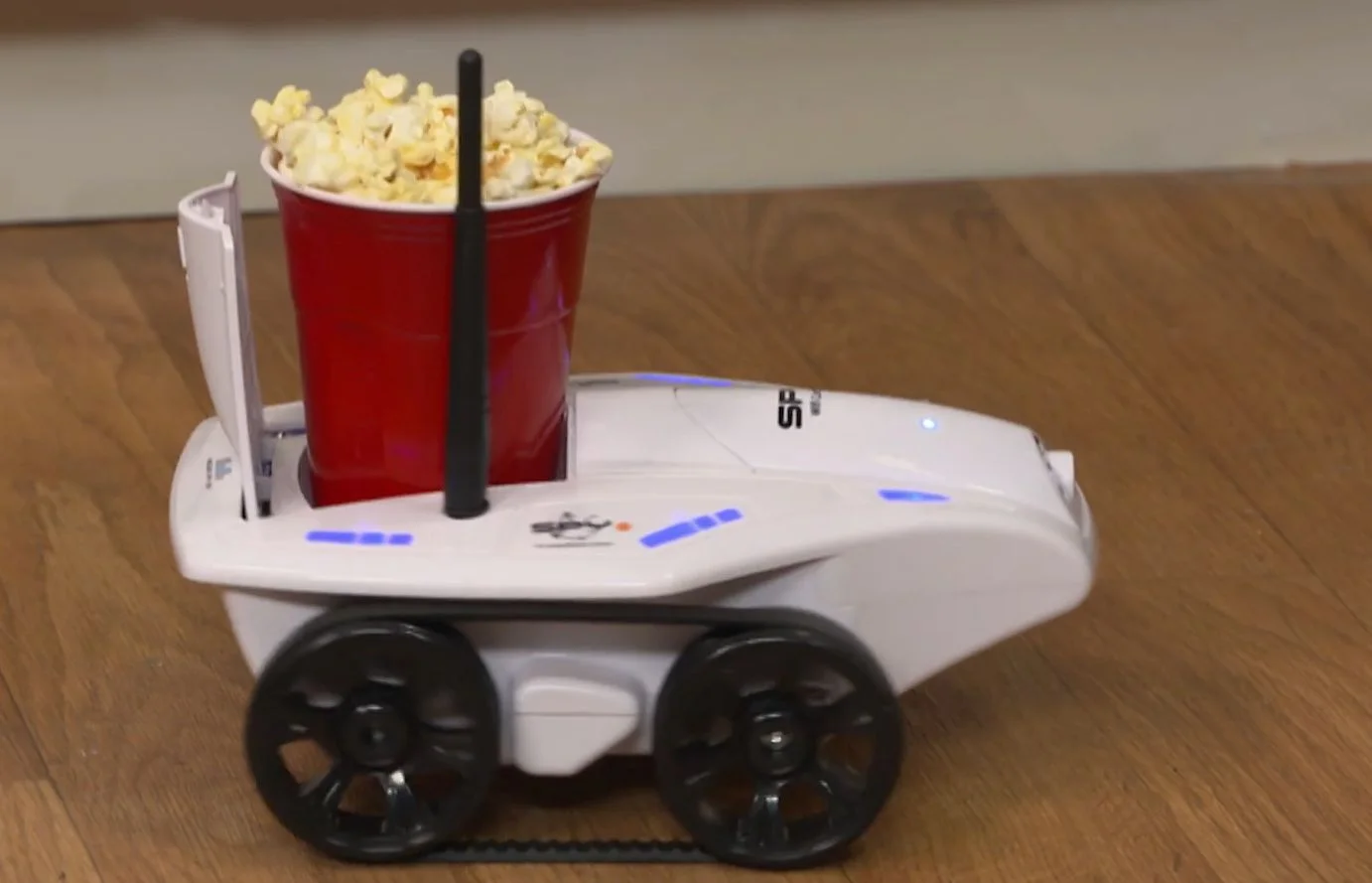
RoboBuddy
RoboBuddy is mainly aimed at young children and families — a toy robot rather than an advanced robotics tool. It’s for play-based learning and fun: a way for kids to enjoy movement, lights, sounds, and interactive play — and maybe get a gentle early introduction to robotics-type toys.
RoboBuddy has a touchscreen or LED face, wheels, or small legs for movement. It has built-in speakers and a microphone. It has Wi-Fi or Bluetooth connectivity. It is a safe, family-friendly design.
RoboBuddy is good for:
- Young children (e.g. toddlers to early school age) who enjoy playful robots with lights/sounds.
- Parents want a simple toy that stimulates imagination, coordination, and playful learning.
- Short-term fun, sensory play, or as a “starter” robot to introduce interest in robotics or interactive toys.
RoboBuddy is not ideal for:
- Teens or adults expecting a “smart,” interactive, or helpful robot.
- People seeking a robot for serious robotics education, programming, or useful tasks around the home.
- Long-term educational or “growth” tool — since the functionality is fixed and limited.
What RoboBuddy Can Do
Although features vary depending on the manufacturer, most “RoboBuddy”-style robots can:
- Interact with people: Voice recognition, Simple conversations, and responding to commands.
- Assist with daily tasks: Reminders (medication, appointments), Timers, alarms, and Simple smart-home integrations.
- Provide entertainment: Music, stories, Games, Lights, and sound effects.
- Monitor surroundings: Basic obstacle detection, sometimes simple home monitoring or camera functions
- Robot companion: It is suitable for kids, seniors, and people needing a friendly, interactive device.
Core Features of RoboBuddy
- Mobility & Movement: RoboBuddy can move around: forward, backward, stop, and even rotate/spin 360°.
- Lights & Sound Effects: RoboBuddy has LED lights that produce colorful, dynamic displays, along with sound effects or music. These contribute to a fun, engaging user experience.
- Interactive Play / Entertainment: RoboBuddy is designed for play: dancing, music or sound-based games, and other fun interactions for kids.
- Educational / Developmental Use: Lights + movement + play are used not just for fun but also to help with hand-eye coordination, creativity, and basic problem-solving (especially for children).
- Programming / Customizable Behavior: Some versions allow children or users to program action sequences — i.e. set up custom moves or actions.
What RoboBuddy Is Good For
- Playtime and Fun: RoboBuddy is great as a toy for kids, combining movement, lights, and sound to keep them entertained.
- Learning & Early STEM Exposure: Through programming, custom action sequences, and interactive play, RoboBuddy can help children start learning basic logic, cause-and-effect, and creativity.
- Creative & Imaginative Play: With expressive lights/sounds and the ability to respond to commands or programmed sequences, kids can invent stories, games, or adventures — boosting imagination.
- Gift / Intro to Robotics: Because it’s user-friendly (remote or simple controls), it’s often seen as a gentle introduction to robotics/automation for young users.
Important Constraints & What RoboBuddy Is Not
RoboBuddy is typically a toy / educational robot, not a high-end AI companion. Its features revolve around lights, movements, sound, and simple programming. It generally requires batteries (many models use AAA batteries) rather than being a high-power robot with an onboard rechargeable battery. Its “intelligence” is minimal — it does not offer advanced AI, conversation, or deep interactivity (unless a different robot variant is marketed with those features).
RoboBuddy Advantages
Fun, engaging & entertaining: RoboBuddy moves (forward/backward, spins 360°), shows lights, plays sounds or music, which makes it an appealing, interactive toy.
Supports sensory & motor development (especially for kids): The combination of lights, movement, and sound can help improve visual perception, hand-eye coordination, and basic cause-and-effect understanding.
Stimulates creativity and imagination: Through interactive play (movement + sound + lights), children can invent games, scenarios, which can foster creativity, imaginative play, and enjoyment.
Simple and accessible — Because it’s a toy rather than a complex robot system, RoboBuddy tends to be easy to use (no complicated programming needed), making it accessible even for young children or beginners.
Affordability vs advanced robots: Compared with high-end robotic or AI devices, RoboBuddy is relatively simpler and likely more affordable (as suggested by its “toy” classification).
RoboBuddy Disadvantages
- Very limited “intelligence” — not a real AI or companion — RoboBuddy’s behaviors (movement, lights, sounds) are fixed/pre-programmed; it doesn’t “think,” learn, converse meaningfully, or adapt dynamically like advanced robots or AI — so it’s not a genuine “robot companion.”
- Basic functionality — may outgrow quickly — For older children or anyone expecting a “smart” or “useful” robot, RoboBuddy might feel too simple: once the novelty wears off, its limited capabilities may not hold long-term interest.
- Not useful for serious tasks — RoboBuddy is designed for play and entertainment / basic developmental benefit — it’s not suitable for real “help around the house,” learning serious robotics, or automation of tasks.
- Dependence on batteries / limited durability: According to the description, it uses 3x AAA batteries and likely doesn’t have advanced power systems, which limits play time and may mean frequent battery changes.
- Unclear educational value beyond simple stimulation: While it may help with basic motor skills or creativity, it does not replace structured learning (programming, robotics, social interaction, deeper cognitive development).
You can follow Science Online on YouTube from this link: Science online
WowWee CHiP robot, What can chip the robot dog do?, How to use chip robot dog?
Cupboo AI robotic pet review, features, advantages and disadvantages
Sophia robot review, features, use, advantages and disadvantages
Top trending topics on Sophia robots and Can Sophia Destroy humans
Educational robotics, Robot teachers, Social robots review, features advantages and drawbacks
Humanoid robots use, risks, advantages, and disadvantages