Tombot robotics dogs features, advantages, disadvantages and specifications
A Tombot robotics dog is a hyper-realistic robotic companion animal designed primarily to provide emotional support and therapeutic interaction. Unlike many robotic toys or AI gadgets, Tombot robots–especially the Jennie puppy–aim to mimic the look, feel, sound, and behavior of a real dog in a way that encourages emotional bonds, particularly with people who might benefit from companionship but cannot care for a live pet.
What is a Tombot Robotics Dog?
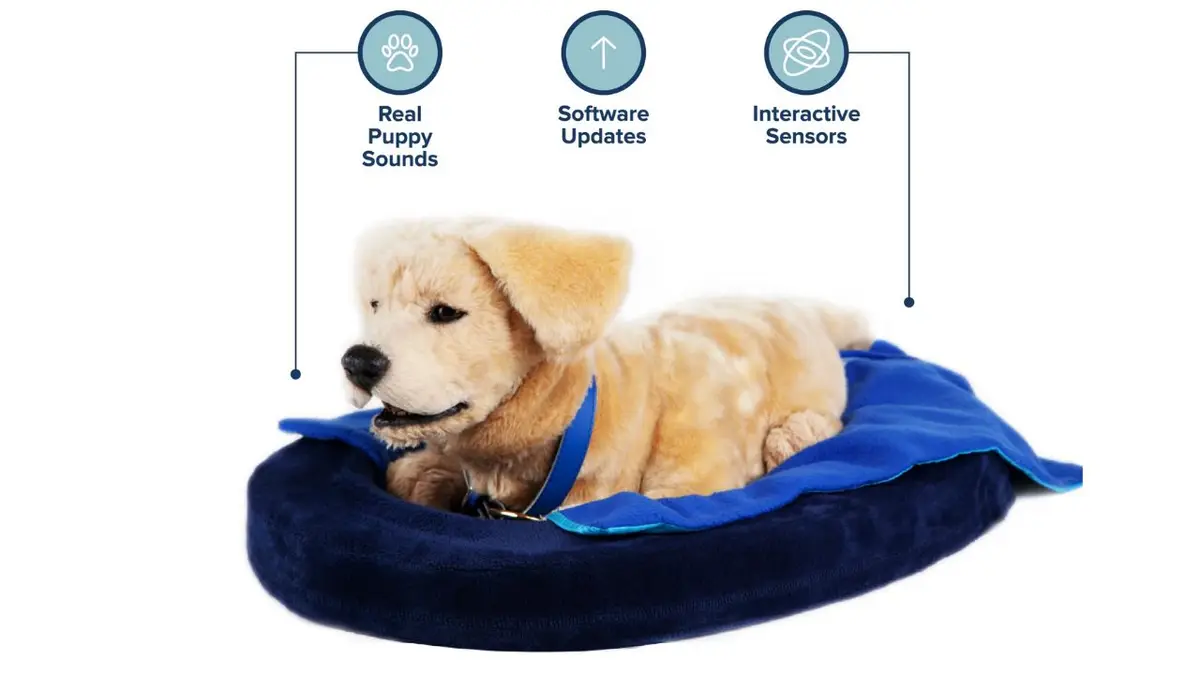
A Tombot Robotics Dog is a hyper-realistic robotic companion animal designed to provide emotional support and therapeutic companionship, especially for people who cannot care for a real pet. It closely mimics the look, feel, sounds, and behaviors of a real puppy and is primarily used to help reduce loneliness, anxiety, agitation, and stress, particularly among seniors, dementia patients, and individuals with mental or emotional health challenges.
Unlike toy robot dogs, Tombot robots are built as therapy-focused companions, aiming to deliver the emotional benefits of pet ownership without the responsibilities of feeding, walking, medical care, or safety concerns.
Tombot’s mission is to transform daily life for individuals facing health adversities such as dementia, depression, anxiety, PTSD, autism, loneliness, and more. The company even aims to position its robotic animals as FDA-regulated medical devices to support mental and emotional therapy.
Tombot robotics dogs
Core Definition and Purpose
At its core, a Tombot robotics dog is a robotic companion animal that closely resembles a real puppy in look and interaction. It is designed to provide comfort, companionship, and emotional support–especially for seniors and others who could benefit from gentle interaction but cannot have live pets. Instead of being a toy, Tombot positions its robot as a therapeutic tool that can help reduce symptoms like loneliness, agitation, anxiety, and depression.
Features of Tombot Robotics Dogs
- Hyper-Realistic Design: Tombot dogs are made to look and feel much closer to a real dog than typical robotic pets. They were developed with help from Jim Henson’s Creature Shop, known for lifelike animatronics.
- Interactive Sensors: Distributed touch sensors allow the robot to respond differently depending on how and where it’s touched.
- Voice Command Response: Built-in voice recognition lets the robot recognize and react to commands and its assigned name.
- Real Puppy Sounds: The robot plays recorded sounds from real puppies to enhance realism and foster emotional engagement.
- Rechargeable Battery: Like a smartphone, Tombot robots can be charged overnight and last a full day on a single charge.
- Smartphone App: A companion app lets users name the robot, customize settings, and track interactions.
- Software Updates: New behaviors, sounds, or responses can be added over time through app-based software updates.
What Tombot Robots Can Do?
- Tombot robotics dogs aren’t designed to perform physical tasks like fetching objects or walking outdoors. Instead, their value lies in emotional and cognitive interaction:
- Provide Companionship: They offer a sense of presence and social interaction that can reduce feelings of loneliness.
- Support Mental Health: Tombot robotics dogs are used in households, care facilities, and hospitals, Tombot robots are reported to help ease stress, anxiety, depression, and even some symptoms associated with dementia and cognitive decline.
- Encourage Engagement: Care providers have observed increased socialization, touch, and verbal communication in people interacting with the robot.
- Assist in Therapeutic Settings: They’re being explored as tools in memory care, pediatric anxiety therapy, and support for veterans or those with PTSD.
Advantages of Tombot robotics dogs
- Emotional Connection Without Care Burden: They deliver the emotional comfort of pet ownership without feeding, walking, vet care, allergies, or safety risks.
- Helps Reduce Stress & Anxiety: For seniors and other individuals, interacting with a reactive, responsive robot can lower agitation and improve mood.
- Suitable for Many Environments: Tombot robotics dogs are ideal for care homes, hospitals, and homes where live animals aren’t possible due to health, mobility, or housing restrictions.
- Adaptive & Upgradable: Software updates and app settings mean the robot can evolve over time and improve user experience.
Disadvantages of Tombot robotics dogs
- Not a Full Replacement for Real Pets: Though emotionally engaging, robotic behaviors are still programmed and limited, and cannot fully replicate the unpredictability or deep attachment of a live animal.
- Cost: High-quality models like Jennie can be expensive, and accessibility may be an issue for some households.
- Technology Constraints: Limited autonomy (e.g., no walking or roaming), occasional glitches, or the need for charging can break the illusion of life-like behavior.
- Emotional Limitations: For some users, realistic robots can feel uncanny or unsettling if movements or sounds aren’t perfectly natural.
- Requires Tech Comfort: App features and settings may require caregivers or users to be comfortable with a smartphone interface.
Tombot robotics dogs like Jennie represent a new frontier in robotic emotional support technology. They combine hyper-realistic design, responsive sensors, voice interaction, and emotional engagement to help people who may benefit from companionship but cannot care for a live animal. With advantages in stress relief, therapy, and companionship, they’re promising tools in modern care—but they still can’t fully replace the complexity and emotional depth of living pets.
You can follow Science online on YouTube from this link: Science online
Miko Robot Features, importance, and drawbacks, Miko 2 vs Miko 3
Miko review, types, features advantages and disadvantages
Miko 2 vs Miko 3, Difference between Miko 2 and Miko 3
Loona robot review, advantages, disadvantages and what can Loona do?
Sophia robot review, features, use, advantages and disadvantages
Educational robotics, Robot teachers, Social robots review, features advantages & drawbacks
Humanoid robots use, risks, advantages and disadvantages