Powerful Advantages & Disadvantages of Noise-Cancelling Headphones You Must Know in 2026
Advantages and disadvantages of noise-cancelling headphones are among the most important factors to consider before purchasing a new pair of headphones. Active Noise Cancellation (ANC) technology has transformed the listening experience by reducing unwanted background sounds in airplanes, offices, public transportation, and busy environments. While these headphones offer exceptional audio immersion and comfort, they also come with certain limitations such as higher prices, battery dependence, and potential safety concerns in specific situations.
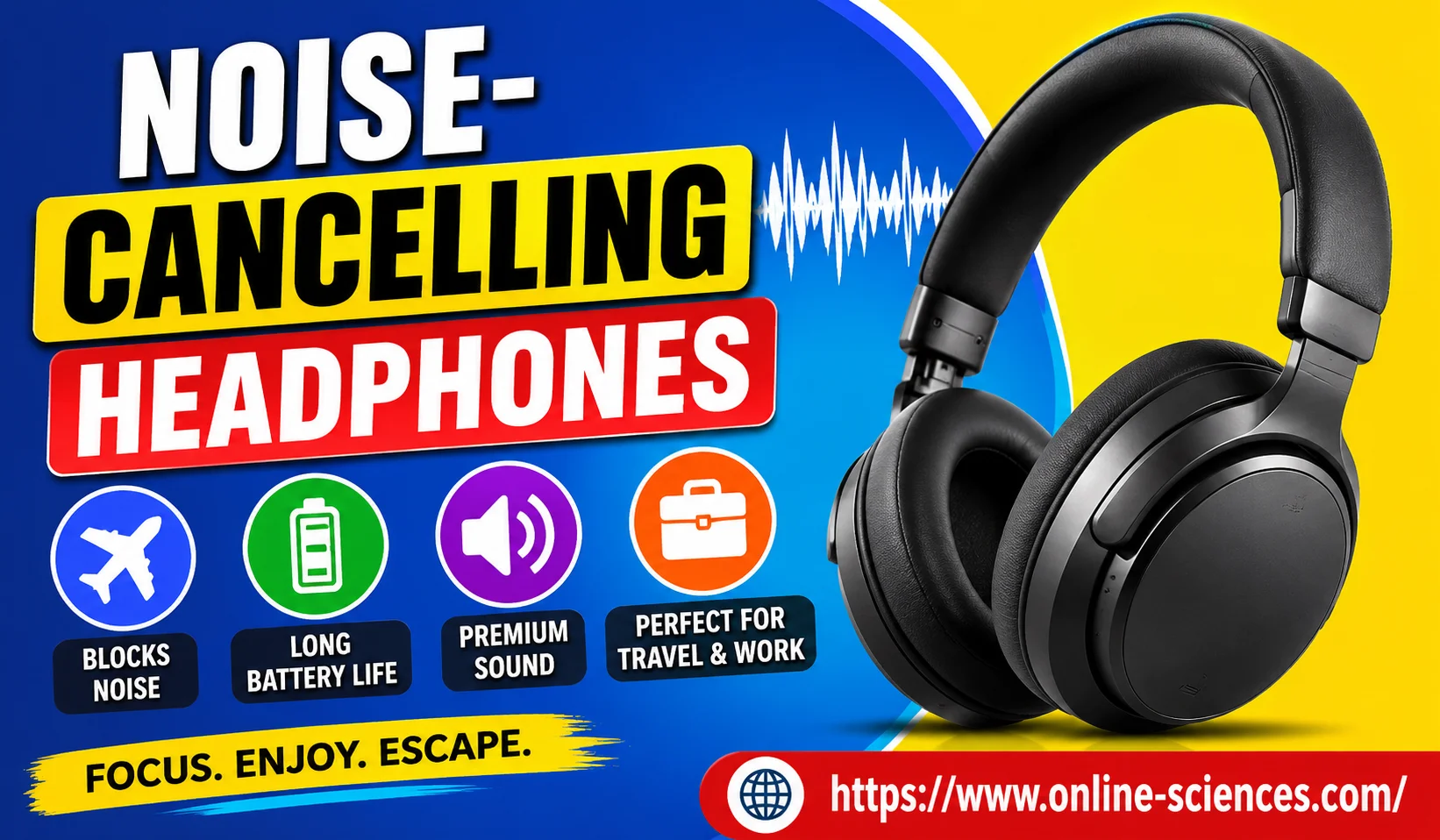
Noise-Cancelling Headphones
Noise-Cancelling Headphones
Noise-cancelling headphones are headphones that reduce unwanted ambient sounds using active noise control engineering, Noise cancellation makes it possible to enjoy music without raising the volume excessively, It can also help a passenger sleep in a noisy vehicle such as an airliner.
In the aviation environment, Noise-cancelling headphones increase the signal-to-noise ratio more than the passive noise attenuating headphones or no headphones, making hearing important information such as safety announcements easier, they can improve listening enough to completely offset the effect of distracting concurrent activity.
Noise-cancelling headphones use active noise control to cancel the lower frequency portions of the noise, They depend on more traditional methods such as the soundproofing to prevent higher frequency noise from reaching the ear.
Noise-cancelling headphones use advanced microphones and electronic circuitry to detect external sounds and generate opposite sound waves that cancel unwanted noise before it reaches your ears. This process is known as Active Noise Cancellation (ANC). Unlike passive noise isolation, which physically blocks sound, ANC actively reduces environmental noise for a quieter listening experience.
Noise-cancelling headphones advantages
Noise-cancelling headphones offer excellent hearing protection against the constant levels of noise, You get much greater noise attenuation, The noise reduction works on all external noise, not just low-frequency continuous droning sound.
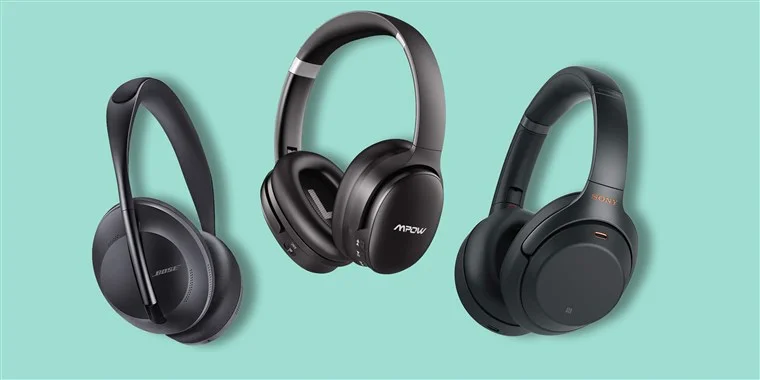
Noise-cancelling headphones
The nice thing about the noise-cancelling headphones is that much of the external sound is blocked without having to replace it with even louder sounds, The volume level on the music can be turned down to a more enjoyable and comfortable level and still be heard over loud noises produced by the surrounding environment, this is good news for people wishing to preserve their ear health.
Noise-canceling headphones are useful for travelling especially for the people who travel on commuter trains or airplanes, They need to block out the outside noise during these times in order to sleep, read, study or work.
Using noise-deleting ear sets will block the outside noises and will prevent them from disturbing the wearers, The headphones will help them focus on several tasks much easier.
The headset allows you to talk more comfortably on the phone, and if the wireless also offers you the flexibility to move about your home or the office whilst you speak (with most wireless headsets providing a range of up to 150m).
The music volume does not need to be high, people have been turning up the volume on their music to extreme levels, because they actually prefer it at that level, Many listeners only crank up the volume in an effort to drown out the external world and listen to the music in peace.
Noise-cancelling headphones allow the users to turn the volume down and hear the intended richness and the variations in the music that disappears when the volume is pushed to the limits.
Many students find it hard to concentrate especially when the sounds are distracting them at all times, Using the noise-cancelling headphones helps the students to block out the external world and concentrate on what they need to learn.
Noise-cancelling headphones disadvantages
Noise-cancelling headphones are more complex, and therefore they are often more expensive than the standard headphones due to additional costs in the manufacturing of noise-cancelling technology.
Noise-cancelling circuitry required for them to operate may reduce the audio quality and introduce some high-frequency hiss, this limitation may be offset by reductions in the external noises that would otherwise reduce the audio quality.
They can be bulkier and heavier than the standard headphones to incorporate batteries and additional electronics needed to provide noise-canceling, the noise-canceling headphones are not suited for environments where sudden loud noises are present such as the large rocks falling or gunshots.
The biggest disadvantage of noise-cancelling headphones is the relative cost difference between noise-cancelling headphones and their alternatives, A decent set of regular headphones can be purchased for a reasonable price, and their design and volume levels can help the user drown out the majority of outside sounds, A set of noise-cancelling headphones costs around 10 times as much as these alternative sets.
The internal components of a set of noise-cancelling headphones use a considerable amount of power, Some of the sets get this power from internal batteries and some of those are rechargeable, These sets are generally a bit heavier than the headphones that do not carry their own power supply.
Not all the sounds are blocked by noise-cancelling headphones, most sounds are blocked or cancelled by the design and technology of these headphones but some sounds do still get through.
Some people complain about hearing the humming sound when wearing them, The sound which is actually barely perceivable also causes some people to feel pressure on their eardrum when wearing them, Those who are sensitive to this may want to limit their use, at least until they adjust to it.
Is it good to wear noise-cancelling headphones?
Yes, wearing noise-canceling headphones can be beneficial, depending on your needs and usage.
Benefits:
- Noise-canceling headphones reduce distractions. It is great for focusing while working, studying, or commuting.
- Noise-canceling headphones protect hearing. It lowers the need to increase volume in noisy environments, reducing long-term hearing damage.
- Noise-canceling headphones improve sleep and relaxation. It helps reduce ambient noise while resting or meditating.
- Noise-canceling headphones enhance travel comfort. It is useful for reducing airplane engine noise or general background sounds.
Potential Downsides:
- Safety Concerns: Noise-canceling headphones can make you less aware of your surroundings, especially when walking or biking.
- Pressure Sensation: Some people feel a slight ear pressure due to active noise cancelation (ANC).
- Battery Drain: ANC requires power, meaning more frequent charging.
- Cost: Quality noise-canceling headphones can be expensive.
Benefits of Noise-Cancelling Headphones
- Reduced Background Noise: ANC technology significantly minimizes ambient sounds such as airplane engines, traffic, office chatter, and air conditioning noise.
- Better Audio Quality: With less external noise interfering, users can enjoy music, podcasts, and calls with greater clarity and detail.
- Lower Listening Volumes: Because background noise is reduced, listeners often use lower volume levels, which may help protect hearing over time.
- Improved Concentration: Students and professionals can focus better while studying, working remotely, or completing important tasks.
- Enhanced Travel Experience: Frequent travelers benefit from a quieter environment during flights, train rides, and long commutes.
- Less Listening Fatigue: Continuous exposure to environmental noise can be tiring. ANC headphones help create a more comfortable and relaxing audio experience.
Drawbacks of Noise-Cancelling Headphones
- Higher Cost: Quality ANC headphones are generally more expensive than standard headphones due to their advanced technology.
- Battery Dependence: Most active noise-cancelling models require battery power, and ANC performance may decrease when the battery runs low.
- Limited Effectiveness for Certain Sounds: ANC works best against constant low-frequency noises but may be less effective against sudden sounds, conversations, or high-pitched noises.
- Potential Ear Pressure Sensation: Some users report a feeling of pressure or discomfort when ANC is activated, especially during prolonged use.
- Safety Concerns Outdoors: Excessive noise reduction can make it difficult to hear approaching vehicles, emergency alarms, or other important environmental sounds.
- Additional Weight: ANC components and batteries may make some headphones slightly heavier than traditional models.
Are Noise-Cancelling Headphones Safe?
For most users, noise-cancelling headphones are considered safe when used responsibly. Listening at moderate volumes and taking regular breaks can help maintain hearing health. Many experts believe that ANC technology may actually reduce the need for dangerously high listening volumes in noisy environments.
Noise-Cancelling Headphones vs Regular Headphones
Noise-cancelling headphones provide superior background noise reduction and listening comfort compared to regular headphones. Traditional headphones may be suitable for casual use, but ANC models offer a more immersive experience for travel, work, and focused listening sessions. The choice depends on your budget, lifestyle, and listening habits.
Are Noise-Cancelling Headphones Worth Buying?
If you frequently travel, work in noisy environments, or value premium audio experiences, noise-cancelling headphones are often worth the investment. They can improve focus, enhance sound quality, and provide greater comfort during long listening sessions. However, users on a tight budget may find standard headphones sufficient for everyday use.
Frequently Asked Questions (FAQ) about Noise-cancelling headphones
1. Do noise-cancelling headphones block all sounds?
No. ANC technology reduces many background noises but does not eliminate every sound completely.
2. Can noise-cancelling headphones damage hearing?
No. In fact, they may help protect hearing by allowing users to listen at lower volume levels.
3. Do noise-cancelling headphones work without music?
Yes. Most ANC headphones can reduce ambient noise even when no audio is playing.
4. Are noise-cancelling headphones good for studying?
Yes. They can improve concentration by minimizing distractions from surrounding noise.
5. Why are noise-cancelling headphones expensive?
They contain additional microphones, processors, and battery-powered components that increase manufacturing costs.
6. Do noise-cancelling headphones use a lot of battery?
Battery consumption varies by model, but many modern ANC headphones offer between 20 and 60 hours of usage per charge.
7. Can I use noise-cancelling headphones while walking?
Yes, but users should remain aware of traffic, alarms, and other important environmental sounds.
8. Are ANC headphones better than passive noise isolation?
ANC is generally more effective for continuous low-frequency noises, while passive isolation works by physically blocking sound.
Conclusion
The advantages and disadvantages of noise-cancelling headphones should be carefully evaluated before making a purchase. Their ability to reduce background noise, improve concentration, and enhance audio quality makes them highly attractive for travelers, students, and professionals. However, factors such as price, battery dependency, and outdoor safety considerations should also be taken into account. By understanding both the benefits and drawbacks, you can choose the best headphones for your specific needs in 2026.
Best noise-cancelling headphones 2026
If you’re looking for the best noise-cancelling headphones in 2026, the most important factors are ANC performance, comfort, sound quality, battery life, and value for money. Recent testing from major reviewers consistently places Bose and Sony at the top of the market.
Best Overall
The Bose QuietComfort Ultra Headphones (2nd Gen) currently lead many expert rankings thanks to exceptional noise cancellation, premium comfort, and excellent travel performance. They are especially strong for flights, commuting, and office use.
Best for Sound Quality
The Bowers & Wilkins Px7 S3 are often recommended for listeners who prioritize audio fidelity while still wanting strong ANC. Their tuning is more audiophile-focused than most competitors.
Best Alternative to Bose
The Sony WH-1000XM6 offer class-leading ANC, excellent sound customization, foldable portability, and smart adaptive features. Many reviewers consider them Bose’s closest competitor.
Best Battery Life
The Marshall Monitor III ANC stand out with battery life that can reach around 100 hours, far exceeding most premium ANC headphones.
Best Value Under $200
The Soundcore Space One Pro deliver impressive ANC, good sound quality, and strong features at a significantly lower price than flagship models.
Comparison
Bose QuietComfort Ultra Headphones (2nd Gen) vs Sony WH-1000XM6 vs Bowers & Wilkins Px7 S3 vs Marshall Monitor III ANC vs Soundcore Space One Pro
The Bose QuietComfort Ultra Headphones (2nd Gen) are widely regarded as the best choice for users who prioritize maximum noise cancellation and long-term comfort. Their advanced ANC technology effectively blocks airplane engine noise, office chatter, and traffic sounds, making them ideal for frequent travelers and professionals. Battery life is around 30 hours, and the lightweight design allows for comfortable all-day wear.
The Sony WH-1000XM6 offer a balanced combination of excellent noise cancellation, premium sound quality, and smart features. Sony’s adaptive ANC system automatically adjusts based on your environment, while the companion app provides extensive audio customization options. With approximately 30 hours of battery life and a foldable design, they are an excellent all-around option for most users.
The Bowers & Wilkins Px7 S3 focus heavily on audio performance and premium construction. These headphones deliver detailed sound with rich bass, clear vocals, and excellent instrument separation. While their noise cancellation is very effective, it is slightly behind the top Bose and Sony models. They are best suited for music enthusiasts who want superior sound quality without sacrificing ANC capabilities.
The Marshall Monitor III ANC stand out primarily because of their exceptional battery life, which can reach up to 100 hours on a single charge under certain conditions. Their iconic design, powerful sound signature, and reliable noise cancellation make them a great option for users who dislike frequent charging and prefer a more energetic audio experience.
The Soundcore Space One Pro provide impressive value for money by offering strong active noise cancellation, comfortable earcups, and solid sound quality at a significantly lower price than flagship competitors. While they may not match the premium refinement of Bose, Sony, or Bowers & Wilkins, they remain one of the best budget-friendly ANC headphones available in 2026.
Which Headphone Is Best for You?
If your main goal is the strongest possible noise cancellation and comfort, the Bose QuietComfort Ultra Headphones (2nd Gen) are the top choice. If you want the best balance between ANC, smart features, and customization, the Sony WH-1000XM6 are hard to beat. Music lovers seeking premium audio quality should consider the Bowers & Wilkins Px7 S3, while users who prioritize battery life will appreciate the Marshall Monitor III ANC. For shoppers seeking excellent performance without a premium price tag, the Soundcore Space One Pro offer outstanding value.
Which One Should You Buy?
- Best overall: Bose QuietComfort Ultra Headphones (2nd Gen).
- Best ANC alternative: Sony WH-1000XM6.
- Best sound quality: Bowers & Wilkins Px7 S3.
- Best battery life: Marshall Monitor III ANC.
- Best budget option: Soundcore Space One Pro.
For most users in 2026, the choice comes down to Bose QuietComfort Ultra Gen 2 vs Sony WH-1000XM6. Bose has a slight edge in comfort and noise cancellation, while Sony offers more customization and smart features.