Mobile malware risks and Tips to keep your smartphone secure
Mobile malware is a frontier ripe for cybercriminal activity. A full 57 percent of smartphone users are doing their online banking on their phones, and they are using them for storing and transmitting sensitive data. As more and more people use their phones to go online, more cyber-criminals will hear the call.
Tips to keep your smartphone secure
Hardware owners should utilize two-factor authentication when they can, which provides an additional layer of security against unauthorized access. They should configure the smartphone settings to ensure that the endpoint automatically locks when not in use for a set period of time.
You should be sure to update the software on your smartphone and the applications whenever a new version is released. These patches correct known security problems and can prevent hackers from exploiting weaknesses in the operating system.
You should disable the automatic Wi-Fi connection feature. Although this capability can provide added convenience and save on the data plan, it can open an unsecured access point for cyber-thieves’ data leakage activities, too.
You should protect your mobile as losing your smartphone can be pretty stressful. Each day , 200,000 devices are lost, stolen, or damaged. You may be surprised by the high out-of-contract price of replacing a lost smartphone with an equivalent model.
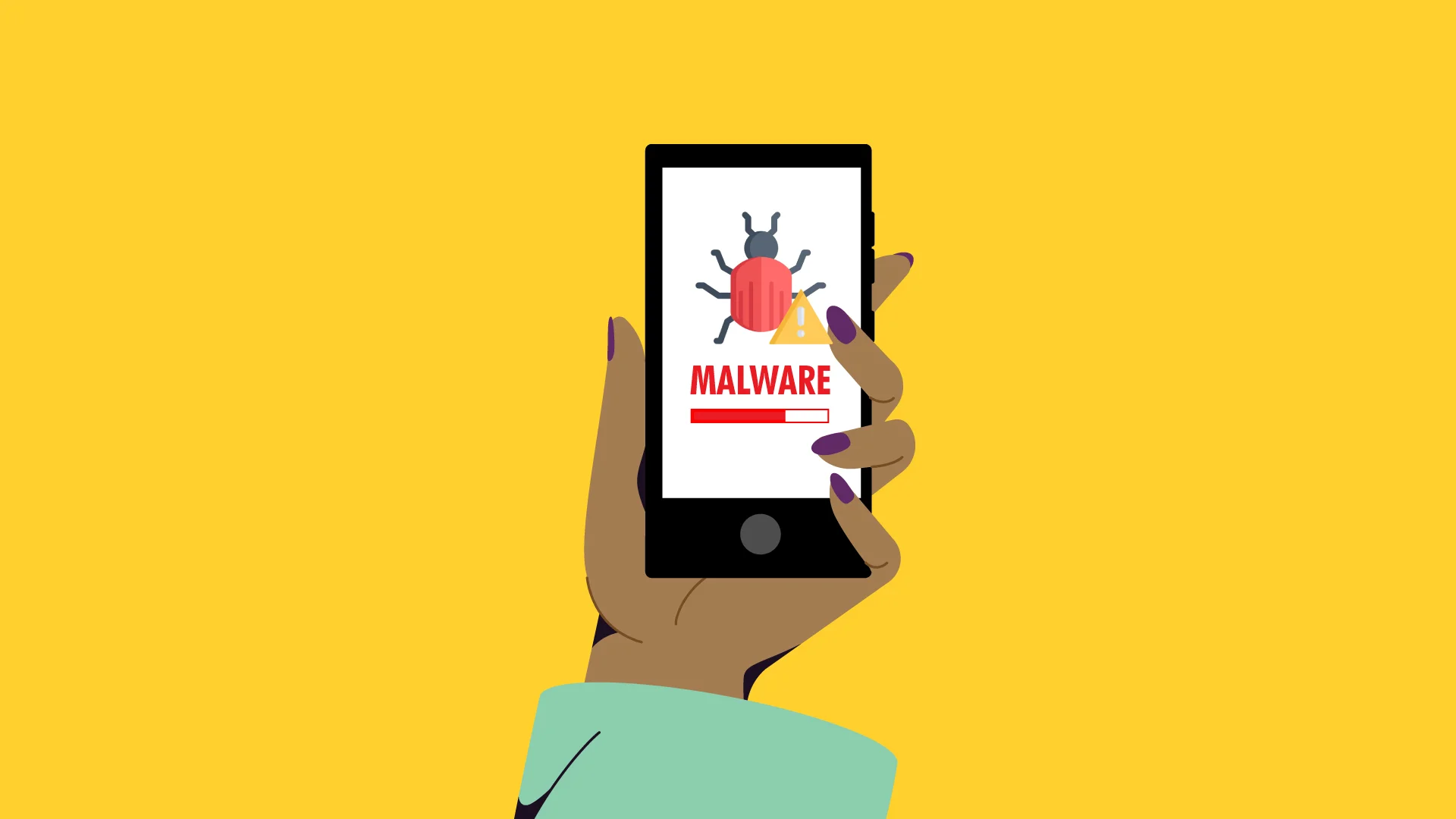
Mobile malware
An increased volume of people is turning to their phones as the primary means of going online. So, Total mobile protection should be considered. If the mobile is lost, stolen, damaged, or it has a mechanical or electrical defect after the manufacturer’s warranty expires.
The part of total mobile protection is Verizon Support and Protection, an app powered by McAfee® to help protect your device against viruses, malware, and other digital threats. The other useful features include lock, locate, alarm, and the ability to wipe your device if it is lost.
You can use a pin, password, or pattern to lock your phone. Setting them is easy. For most Android™ devices, go to your Location & Security Settings for the instructions. iOS users can find these functions in the general options of their settings.
You should download apps only from the trusted stores. If you are browsing for a new game or something more productive, you have to use places such as Google Play™. You should make sure you check ratings and reviews if they are available, and read the app’s privacy policy to see exactly what phone features it will have access to if you download it.
You have to back up your data. It is more about protecting and restoring your information in case of a disaster strike. With Backup Assistant Plus and Verizon Cloud, you can save your contacts, music, pictures, videos, and documents to the cloud.
You should keep your operating system and apps updated. There are periodic updates to both of these which not add new features, but also offer tightened security too.
You have to log out of the sites after you make the payment. If you shop from your smartphone, log out of those sites once your transactions are complete. The other tips include not storing your usernames and passwords on your phone and avoiding transactions while you are on public Wi-Fi.
You have to turn off Wi-Fi and Bluetooth® when not in use. You think of them as ways to connect to something, but the thieves can use them to connect to your device and access the files. The mobile may contain & transmit a larger volume of and more sensitive info than your computers, but it’s not always as protected.
You should avoid giving out personal information. The text message, which looks to be from your bank, may not be. If you get requests via email or text for the account information from any business, contact the business directly to confirm the request. The same advice goes for tapping the links in unsolicited emails or texts.
Mobile apps require that you allow them to access data stored in your phone or on the cloud. You can receive digital boarding passes via text message or verification codes for logging into the sites. Social media apps publish photos and personal data, fitness and health apps track steps, heart-rate and food intake.
The cyber-criminal can know about their targets by breaching their cell phone. They can make surveillance software to read text messages and emails, record the sounds, collect the passwords, and track the calls and whereabouts of the users.
Many factors contribute to weak mobile phone security. The phones are much easier to be misplaced, lost, and stolen. Mobile phones go with you everywhere, which means there’s more potential for leaving them behind. Once a criminal has physical control over your phone, it’s not too difficult to gain control of its data.
The downside is that the users are restricted from going outside the iTunes ecosystem. This is a dangerous measure as it negates all security, not only for apps, but also for operating systems.
Updating phone software requires ample memory and battery power, and users are running low on both. Every time a software update is delayed on a mobile phone, the cyber-criminal has an opportunity to exploit security vulnerabilities in the operating system.
Many users don’t practice safe surfing to check their email, Facebook, Twitter, and other social networking sites. They can be attacked by phishing in the form of text messaging. It has become a popular attack vector, particularly for criminals looking to cash in on the popularity of mobile banking.
You can follow science online on YouTube from this link: Science online
Forms of Cyber Bullying & How to Protect Yourself from Cyber Bullying
Spam email and phishing scam risks and Can it be dangerous to open spam emails?