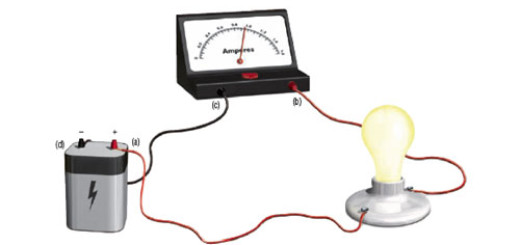
Uses of light bulbs and their structure, Types of the bases of the light bulb
Electric lamps are tools that convert electric energy into light energy by passing electricity through them. There are different types of electric lamps, but the most popular of these lamps are light bulbs and fluorescent lamps. Light bulbs are used in many fields.
The light bulbs were invented by the American inventor “Thomas Alpha Edison”.
Uses of light bulbs
Light bulbs (lamps) are the most popular source of artificial light, and they are used in lighting houses, car lights, and torches.
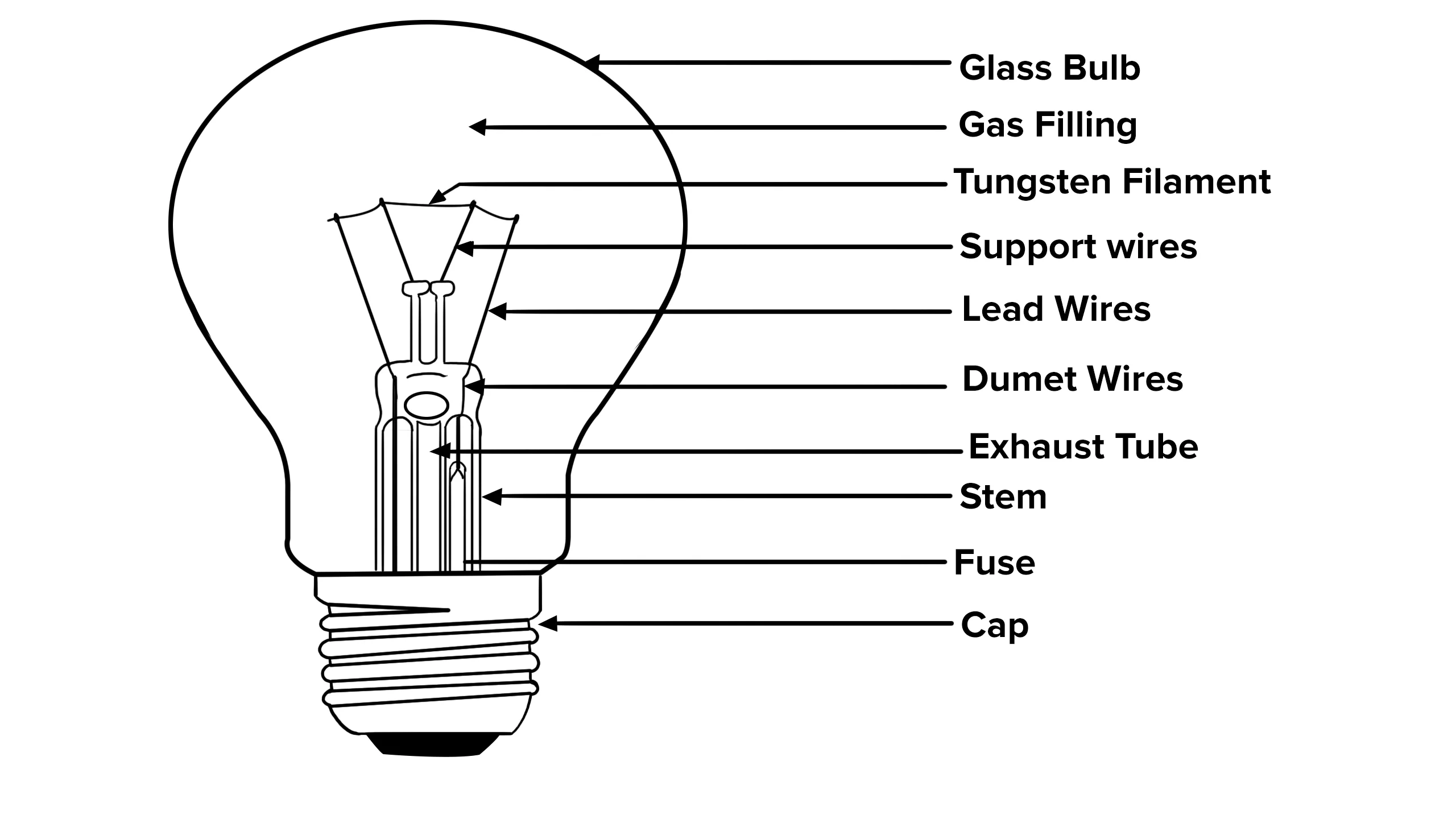
The light bulb structure
Structure of light bulbs
The light bulb consists of three main parts, which are the filament, the glass bulb, and the base of the light bulb.
-
The filament: It is a coiled thin wire made of tungsten, and it is connected with copper and lead wires that are connected to the base of the lamp.
When the electricity reaches the tungsten filament through copper and lead wires, it causes the filament to glow and emits light.
The filament is made of tungsten because it has a high melting point, which prevents the melting of the filament at high temperatures. The filament heats up and emits light when the electric current passes through it.
Copper and lead wires allow the electric current to pass from the base of the light bulb to the tungsten filament.
-
The glass bulb: It is made of thin glass and contains one type of inert gases as argon gas instead of air. The glass bulb prevents the air from reaching the filament to protect it from burning.
Argon gas increases the lifetime of the filament of the light bulb because it does not burn and does not help in burning, as it is an inactive gas so, it protects the filament from burning.
-
The base of the light bulb: It carries the light bulb in an upright position, and it connects the light bulb to the electric circuit.
Types of bases of the light bulb
- The spiral base has a piece of lead to connect the lamp to the electric circuit.
-
Two side nails base that has two pieces of lead to connect the lamp to the electric circuit, and it has two side nails.
Importance and Uses of Light Bulbs
Light bulbs play an important role in modern life, providing artificial illumination that enhances productivity, safety, and comfort. Since their invention, they have revolutionized how we live and work, making it possible to extend activities beyond daylight hours. Light bulbs have come a long way from incandescent to energy-efficient LEDs and smart lighting solutions.
Importance of Light Bulbs
- Light bulbs provide Illumination and Visibility. Light bulbs allow us to see in the dark, making nighttime activities possible and improving visibility indoors and outdoors.
- Light bulbs offer safety and security. Proper lighting helps prevent accidents, enhances security, and deters crime in homes, streets, and workplaces.
- Light bulbs increase productivity. Artificial lighting allows businesses, hospitals, and industries to operate at night, increasing efficiency.
- Modern LED bulbs consume less electricity, reducing energy costs and environmental impact.
- Light influences mood, sleep patterns, and productivity, with specialized lighting used in therapy and medical treatments.
- Smart bulbs now offer remote control, color adjustments, and automation, integrating with smart home systems.
Common Uses of Light Bulbs
- Light bulbs are used in Home Lighting. They are used in lamps, ceiling fixtures, and decorative lighting to brighten living spaces.
- Light bulbs are used in Street and Public Lighting. They ensure safe travel on roads, sidewalks, and public areas at night.
- Light bulbs are used in industrial and office lighting. They enable workplaces to function efficiently and safely.
- Light bulbs are used in automobile lighting. Headlights, brake lights, and interior lights enhance vehicle safety.
- Light bulbs are used in medicine and therapy. They are used in hospitals, surgical rooms, and treatments like phototherapy for newborns with jaundice.
- Light bulbs are used in stage and decorative lighting. They are used in concerts, theaters, and events for visual effects.
- Light bulbs are used in agriculture and plant growth. Grow lights provide artificial sunlight for indoor farming and hydroponic systems.
- Light bulbs are essential for power outages, camping, and rescue operations.
FAQ about Uses of Light Bulbs
1) What are the main uses of light bulbs?
Light bulbs are used in many fields, including:
- Home lighting (living rooms, bedrooms, kitchens).
- Street lighting.
- Industrial lighting (factories and warehouses).
- Medical lighting (surgical lamps, examination lights).
- Decorative lighting (gardens, events, chandeliers).
- Automotive lighting (car headlights and indicators).
- Stage and studio lighting.
2) What is the basic structure of a traditional light bulb?
A traditional incandescent light bulb consists of:
- Glass bulb (envelope): Protects internal parts and contains inert gas.
- Filament: A thin tungsten wire that glows when an electric current passes through it.
- Support wires: Hold the filament in place.
- Inert gas (argon or nitrogen): Prevents the filament from burning quickly.
- Metal base (cap): Connects the bulb to the socket and electrical circuit.
- Insulator: Separates electrical contacts.
3) How does an incandescent bulb work?
When electric current flows through the filament, it heats up to a very high temperature and emits light (a process called incandescence). However, much of the energy is lost as heat.
4) What are the common types of light bulbs?
- Incandescent bulbs – Traditional bulbs, inexpensive but inefficient.
- LED bulbs – Energy-saving, long lifespan, very efficient.
- CFL (Compact Fluorescent Lamps) – More efficient than incandescent, contain small amounts of mercury.
- Halogen bulbs – Brighter and more efficient than traditional incandescent bulbs.
5) What are the types of light bulb bases?
Light bulb bases (caps) vary depending on usage:
- Edison Screw (E-type): E27 – Standard household bulbs. E14 – Small screw type (used in decorative lamps).
- Bayonet Base (B-type): B22 – Common in the UK and some countries. Locks in place with a push-and-twist action.
- Pin Bases (G-type): GU10 – Used in spotlights and ceiling fixtures. G4 / G9 – Small capsule bulbs for decorative lighting.
- Wedge Base: Common in automotive and small indicator lights.
6) Why are LED bulbs more popular today?
- Use less electricity.
- Produce less heat.
- Last much longer (up to 25,000 hours or more).
- Environmentally friendly.
7) How do I choose the right bulb base?
- Check the old bulb’s base code (E27, B22, etc.).
- Look at the lamp socket type.
- Confirm voltage compatibility.
- Choose appropriate brightness (lumens).
8) What safety precautions should be taken?
- Turn off the electricity before replacing a bulb.
- Do not touch halogen bulbs with your bare hands.
- Dispose of CFL bulbs carefully due to mercury content.
- Use the correct wattage for the fixture.
You can subscribe to Science Online on YouTube from this link: Science Online