iPhone vs Android: iPhone vs Android: 7 Differences That Will Surprise You!, Which is better for photography and gaming?
iPhone vs Android: The debate between iPhone and Android smartphones has been ongoing for years. Devices from Apple (iPhone) and the Android ecosystem (used by brands like Samsung) dominate the global smartphone market. Each platform offers unique advantages, making the choice highly dependent on user preferences, budget, and usage style.
iPhone vs Android
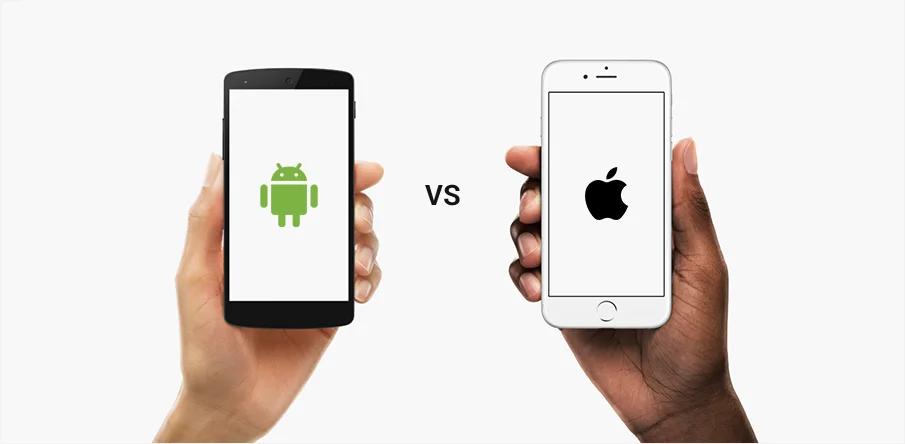
The comparison between iPhone and Android is one of the most popular topics in the world of smartphones. Devices from Apple and those running the Android operating system offer different experiences in terms of design, performance, and features. While iPhone focuses on simplicity, security, and a seamless ecosystem, Android provides flexibility, customization, and a wide range of choices.
Choosing between iPhone and Android depends on personal preferences, budget, and how you plan to use your device. Both platforms continue to evolve rapidly, offering powerful technology and innovative features that meet the needs of different types of users.
iPhone vs Android
Biggest Difference Between iPhone and Android
The core difference lies in software philosophy:
- iPhone (iOS): Closed ecosystem, optimized hardware-software integration.
- Android: Open system, customizable, available across many brands.
Apple controls both hardware and software, while Android is used by multiple manufacturers, giving users more variety.
Advantages of iPhone
- Smooth Performance: iPhones are known for fast, lag-free performance due to tight integration between hardware and iOS.
- Long Software Support: Apple provides updates for 5–6 years, longer than most Android brands.
- Strong Security & Privacy: iOS offers better control over apps and data privacy.
- Ecosystem Integration: Seamless connection with MacBooks, iPads, and Apple Watches.
- High-Quality Apps: Many apps are optimized better for iOS.
- Consistent Camera Quality: iPhones deliver reliable photo and video results.
Disadvantages of iPhone
- Expensive compared to many Android phones.
- Limited customization.
- Fewer device options.
- Less flexibility in file management.
Advantages of Android
- Wide Range of Prices: From budget to flagship phones.
- Customization: Users can change themes, launchers, and system behavior.
- Variety of Devices: Brands like Samsung, Xiaomi, and others offer many options.
- Better Hardware Innovation: Faster charging, foldable phones, and high-refresh-rate displays.
- Expandable Storage & File Access: More freedom in managing files.
Disadvantages of Android
- Slower software updates (depending on brand).
- Security varies across devices.
- Some apps are less optimized.
- Performance inconsistency in lower-end devices.
iPhone vs Android Camera
- Natural colors.
- Best for video recording.
- Consistent results.
- Higher megapixels (in many models).
- More camera features (zoom, modes).
- Better flexibility.
Flagship Android phones (especially from Samsung) can rival or even surpass iPhones in some areas.
iPhone vs Android Cost
If budget matters, Android is usually the better choice.
iPhone vs Android AI
- iPhone (Apple): Focuses on privacy-based AI features (on-device processing).
- Android (Google): Leads in AI with smarter assistants, real-time translation, and advanced features.
Android generally has an edge in AI innovation, thanks to Google’s ecosystem.
iPhone vs Android vs Samsung
- iPhone: Best for ecosystem and simplicity.
- Android (general): Best for flexibility.
- Samsung: Combines premium hardware with Android customization.
Samsung is often considered the strongest Android competitor to the iPhone.
10 Reasons Why Android is Better Than iPhone
- More affordable options.
- Greater customization.
- Wider device selection.
- Faster charging.
- Foldable phone options.
- Expandable storage.
- Better multitasking features.
- More hardware innovation.
- Freedom to install apps outside the store.
- Better integration with Google services.
FAQ about iPhone vs Android
1. Who is better, iPhone or Android?
It depends on your needs. iPhone is better for simplicity and security, while Android is better for flexibility and affordability.
2. Which phone is best, Apple or Android?
Apple offers premium, consistent devices, while Android provides more variety and innovation.
3. What are the pros and cons of iPhone vs Android?
- iPhone: Secure, smooth, expensive, limited customization.
- Android: Flexible, affordable, less consistent updates.
4. iPhone vs Android: Which is better for students?
Android is often better due to lower cost and variety.
5. Which is better for gaming?
High-end devices on both sides perform well, but Android offers more hardware options.
6. Which is better for photography?
Both are excellent. iPhone is better for video, while Android offers more features.
There is no single “best” choice between iPhone and Android. If you prefer simplicity, long-term support, and a premium ecosystem, iPhone is ideal. If you want freedom, customization, and a range of prices, Android is the better option. The best phone is the one that fits your lifestyle, needs, and budget.
You can follow science online on YouTube from this link: Science online
Android 15 advantages, disadvantages, Will Android 15 have AI? and which phone has Android 15?
Android 14 review, features, advantages and disadvantages
Android 13 features, advantages, privacy, and Android 13 vs Android 12
Google Android 8 Oreo review, features, advantages and disadvantages
Android 9 Pie review, features, advantages and disadvantages
The advantages and disadvantages of Android mobile phones
NFC (Near Field Communication) uses, advantages and disadvantages