
Electric Laser Welding Machine Review 2026: Features, Pros, Cons, Price & Buying Guide
Electric Laser Welding Machine technology has become one of the most significant innovations in modern metal fabrication, offering exceptional precision, speed, and efficiency compared to traditional welding methods. By using a concentrated fiber laser beam, these machines create strong, clean welds with minimal heat distortion and almost no spatter. They are widely used in industries such as automotive manufacturing, aerospace, shipbuilding, medical equipment production, and stainless steel fabrication because they deliver consistent, high-quality results while reducing post-weld finishing work.
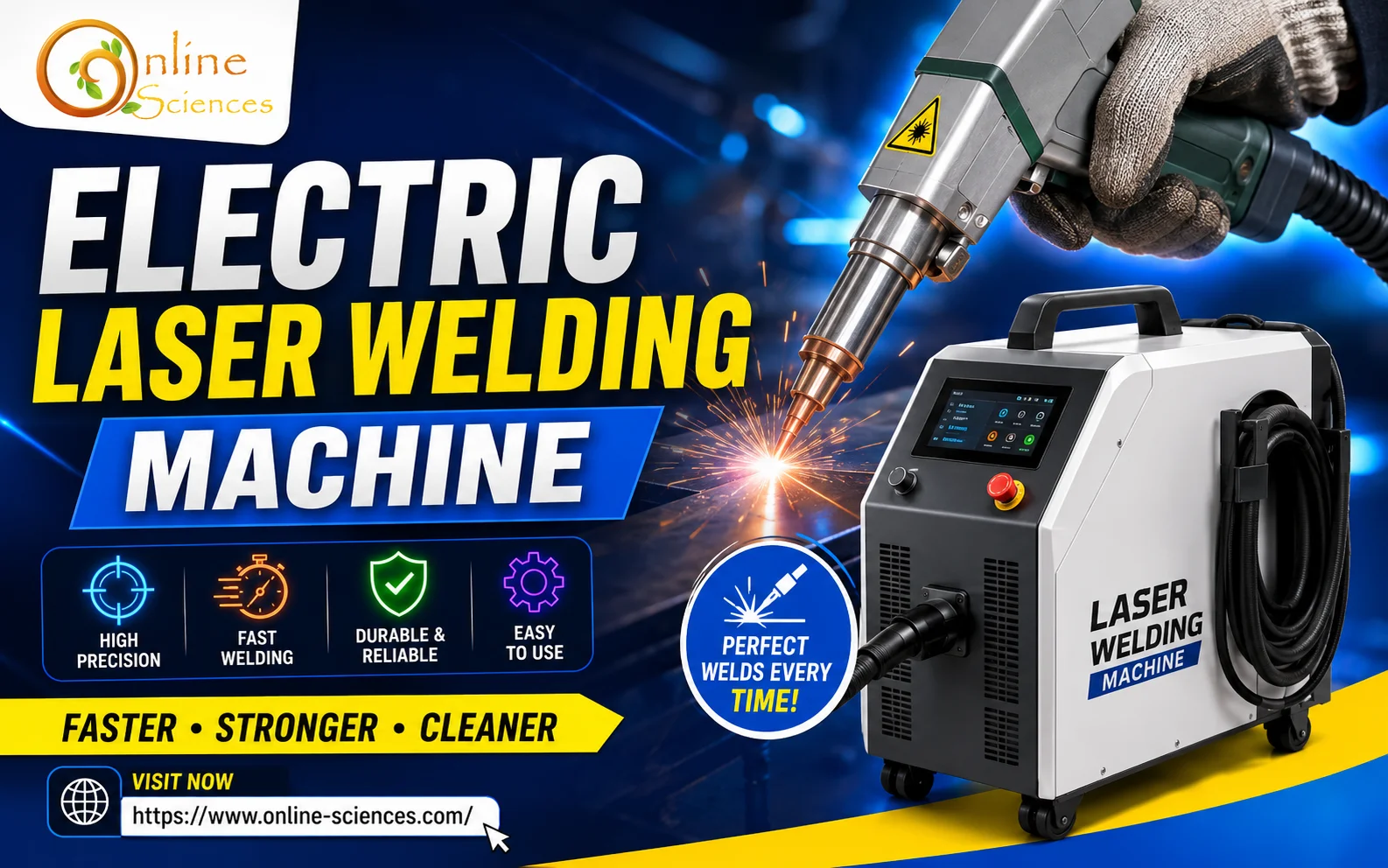
Electric Laser Welding Machine
Electric Laser Welding Machine
Modern electric laser welding machines are available in both portable handheld models and fully automated industrial systems, making them suitable for businesses of all sizes. Many units feature touchscreen controls, adjustable laser power, intelligent safety systems, and the ability to weld a wide range of metals, including stainless steel, carbon steel, aluminum, copper, and titanium.
Although the initial investment is higher than conventional MIG or TIG welders, the increased productivity, lower operating costs, and superior weld quality make an electric laser welding machine a valuable long-term investment for professionals seeking faster production and greater precision.
Electric Laser Welding Machine Review 2026: Is It Worth Buying?
Electric laser welding machines have transformed modern metal fabrication by providing faster, cleaner, and more accurate welds than many conventional welding methods. Whether you operate a fabrication workshop, automotive repair business, jewelry studio, or manufacturing plant, choosing the right laser welding machine can dramatically improve productivity and weld quality.
Electric Laser Welding Machine Review
The latest electric laser welding machines combine high-powered fiber laser technology, intelligent control systems, and portable designs to produce exceptionally strong welds with minimal heat distortion. Unlike traditional MIG or TIG welding, laser welding concentrates energy into a tiny spot, resulting in cleaner seams, less spatter, and faster operation.
Modern machines are designed to work with stainless steel, carbon steel, aluminum, copper, titanium, galvanized steel, and many other metals. Most models feature touchscreen controls, adjustable laser power, safety protection systems, and optional wire feeders for wider welding applications.
What is an Electric Laser Welding Machine?
An electric laser welding machine uses a highly concentrated laser beam to melt and fuse metals together with remarkable precision. Instead of using an electric arc like conventional welders, the laser beam creates a narrow heat-affected zone, reducing distortion while producing strong, attractive welds.
Features of Electric Laser Welding Machine
- High Precision: Laser welding creates narrow, accurate weld seams suitable for demanding industrial applications.
- High Welding Speed: Many laser welders complete joints two to five times faster than TIG welding.
- Low Heat Input: Reduced heat minimizes material deformation and protects surrounding components.
- Minimal Post-Processing: Less spatter means less grinding, polishing, and finishing work.
- Touchscreen Interface: Most modern machines include an intuitive LCD touchscreen for quick parameter adjustment.
- Portable Design: Many handheld models are lightweight enough to transport between job sites.
- Multi-Function Capability: Some systems support welding, cutting, rust removal, and surface cleaning.
Electric Laser Welding Machine Specifications
- Laser Type: Fiber Laser.
- Power: 1000W–3000W.
- Cooling: Water Cooling.
- Voltage: 220V or 380V.
- Welding: Thickness 0.5–8 mm.
- Welding: Speed Up to 120 mm/s.
- Control: Digital Touch Screen.
- Laser: Life 100,000+ hours.
Advantages of Electric Laser Welding Machine
- Excellent Weld Quality: Produces smooth, clean welds requiring little finishing.
- Faster Production: Ideal for mass manufacturing and production lines.
- Easy to Learn: Many beginners become productive faster than with TIG welding.
- Lower Material Distortion: Small heat zones preserve metal shape.
- Energy Efficient: Fiber lasers consume less power than older laser technologies.
- Long Service Life: Fiber laser sources often exceed 100,000 operating hours.
- Minimal Consumables: Less reliance on filler materials, grinding discs, and replacement parts.
Disadvantages of Electric Laser Welding Machine
- Although impressive, laser welding machines are not perfect.
- Higher Initial Cost: They cost significantly more than standard MIG or TIG welders.
- Safety Requirements: Operators must wear certified laser eye protection and follow strict safety procedures.
- Reflective Metals: Materials like copper and aluminum may require higher power or specialized settings.
- Maintenance: Cooling systems, optics, and protective lenses require periodic maintenance.
Materials it Can Weld
Most electric laser welding machines support:
- Stainless steel.
- Carbon steel.
- Mild steel.
- Aluminum.
- Copper.
- Brass.
- Titanium.
- Nickel alloys.
- Galvanized steel.
Common Applications
- Automotive Manufacturing: Ideal for body panels, battery packs, exhaust systems, and structural components.
- Aerospace: Provides lightweight, high-strength welds for critical assemblies.
- Medical Devices: Suitable for precision welding of surgical instruments and implants.
- Electronics: Used for battery tabs, sensors, and delicate electronic components.
- Jewelry Manufacturing: Creates fine welds without damaging surrounding materials.
- Metal Fabrication: Perfect for stainless steel kitchens, railings, cabinets, and custom metalwork.
Laser Welding vs TIG Welding
Laser welding and TIG (Tungsten Inert Gas) welding are both widely used for producing high-quality metal joints, but they differ significantly in speed, precision, and efficiency. Laser welding uses a highly concentrated laser beam to create deep, narrow welds with minimal heat input, resulting in less distortion, faster production, and cleaner finishes that often require little post-processing.
TIG welding, on the other hand, relies on an electric arc and a tungsten electrode, offering excellent control and versatility for intricate or custom fabrication work, but it is generally slower and requires greater operator skill. While TIG equipment is more affordable and suitable for small workshops, laser welding machines are preferred in modern manufacturing industries where automation, high productivity, and consistent weld quality are essential.
Who Should Buy One?
Electric laser welding machines are ideal for:
- Metal fabrication workshops.
- Manufacturing companies.
- Automotive repair centers.
- Sheet metal factories.
- Stainless steel businesses.
- Medical equipment manufacturers.
- Jewelry professionals.
- Industrial maintenance teams.
Buying Guide
Before purchasing, consider:
Laser Power
- 1000W for thin materials.
- 1500W for general fabrication.
- 2000W for heavy-duty work.
- 3000W for industrial production.
Cooling System
Choose efficient water-cooled systems for continuous operation.
Wire Feeder
Useful when filling wider gaps.
Brand Reputation
Select manufacturers with reliable customer support and spare parts availability.
Safety Features
Ensure emergency stop buttons, protective sensors, and certified laser shielding are included.
Estimated Price Range (2026)
- 1000W Handheld: $2,500–$5,000.
- 1500W Fiber Laser: $4,000–$7,500.
- 2000W Industrial: $6,000–$10,000.
- 3000W Professional: $9,000–$18,000+.
Prices vary depending on brand, accessories, laser source, automation features, and local market conditions.
Maintenance Tips
- Clean protective lenses regularly.
- Replace damaged nozzles promptly.
- Check water cooling quality.
- Inspect fiber cables periodically.
- Keep the machine free from dust.
- Follow manufacturer maintenance schedules.
Is an Electric Laser Welding Machine Worth It?
For businesses focused on precision, productivity, and long-term efficiency, an electric laser welding machine is a worthwhile investment. Although the upfront cost is higher than conventional welding equipment, the benefits of faster operation, cleaner welds, lower labor costs, and reduced material waste often deliver an excellent return on investment over time.
FAQ about Electric Laser Welding Machine
1. What is an electric laser welding machine?
It is a welding system that uses a concentrated laser beam to join metal parts with high precision and minimal heat distortion.
2. Is laser welding stronger than TIG welding?
When properly configured, laser welding can produce welds that are as strong as or stronger than TIG welds while offering greater speed and cleaner finishes.
3. Can beginners use a laser welding machine?
Yes. Many modern handheld laser welders feature user-friendly controls and preset welding modes, making them easier to learn than traditional TIG welding.
4. Which metals can be welded?
Most machines can weld stainless steel, carbon steel, aluminum, copper, brass, titanium, and several metal alloys.
5. How long does a fiber laser source last?
A quality fiber laser source typically has a service life exceeding 100,000 operating hours with proper maintenance.
6. Are laser welding machines safe?
Yes, when operators use appropriate laser safety glasses, protective enclosures, and follow manufacturer safety guidelines.
What power level should I choose?
For general fabrication, a 1500W model offers an excellent balance of performance and versatility, while 2000W or higher models are better suited for heavier industrial applications.
You can follow Science Online on YouTube from this link: Science Online
🔥 Electric Laser Welding Machine: Powerful Benefits, Uses & Buying Guide 🚀
Electric Laser Welding Machine 2026: Complete Guide, Benefits, Applications, and Safety
Robot welding advantages over manual welding
Industrial robot ( Auto industry ) uses, advantages and disadvantages
Laser Metal Deposition uses, types, advantages and disadvantages
Health risks of laser & Safety precautions to avoid biological hazards of laser radiation
Laser Metal Deposition uses, types, advantages and disadvantages
The importance of lasers in communication and advantages of fiber optics cables