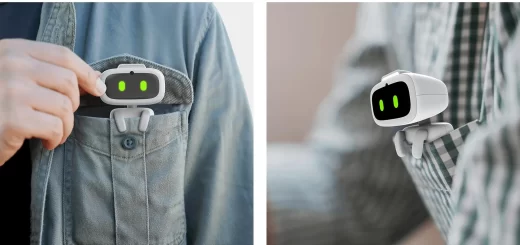
Hasbro robots, Transforming Robots, JOY FOR ALL Companion Pets and Smart Toys
Hasbro robots are designed to entertain, educate, and interact with people — especially children and seniors. Depending on the model, they can perform a variety of actions that make them seem lifelike or intelligent. Hasbro robots are interactive, intelligent toys that blend robotics, AI, and imaginative play to create engaging user experiences.
Hasbro robot
A Hasbro robot refers to any robotic toy or interactive robot developed and produced by Hasbro, an American toy and entertainment company known for combining play with advanced technology. These robots are typically designed for entertainment, education, and companionship, using sensors, voice recognition, and artificial intelligence to interact with users.
Hasbro robots can move, talk, react, and emotionally engage with users — blending fun, learning, and companionship through smart robotic design. Hasbro robots feature smart sensors, lifelike movement, emotional interaction, and AI-driven responses, creating a fun and realistic robotic experience for users of all ages.
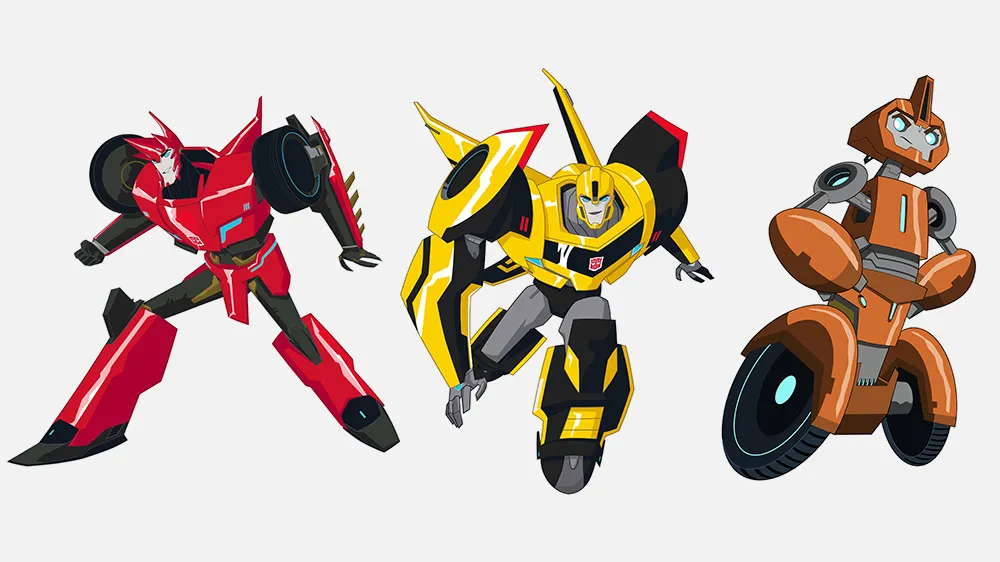
Hasbro transformers
Examples of Hasbro robots include:
- FurReal Friends: Interactive robotic pets that move, make sounds, and respond to touch.
- JOY FOR ALL Companion Pets: lifelike robotic cats and dogs made for seniors to reduce loneliness. Realistic cats and dogs for emotional support.
- Transformers robots: toys that can change shape between vehicles and robots, some featuring motorized or voice-controlled transformations. Action robots that transform automatically or manually.
What can Hasbro robot do?
- Respond to Touch, Sound, and Movement: Many Hasbro robots (like FurReal Friends or JOY FOR ALL pets) react when you pet, talk to, or move near them. They can move their heads, blink, make sounds, or vocalize in response.
- Communicate and Interact: Some can respond to voice commands or sounds. They may mimic speech, make animal noises, or “talk back” in a playful way.
- Move and Perform Actions: Robots like Transformers can automatically transform between robot and vehicle modes. Others can walk, turn their heads, wag their tails, or flap their wings depending on their design.
- Simulate Emotions and Companionship: Companion robots such as the JOY FOR ALL cats and dogs simulate breathing, purring, or cuddling, providing comfort to users, especially the elderly. They can create a sense of connection and emotional bonding.
- Encourage Creative and Imaginative Play: Hasbro’s robots inspire storytelling, role-playing, and learning. Kids can invent adventures, care for their robotic pets, or use them in games.
- Use AI and Sensors for Realistic Reactions: Advanced models include AI-based reactions that make their behavior more natural and less repetitive. Sensors help them detect light, sound, or touch, making each interaction unique.
Hasbro Robots Features
Hasbro robots combine playful design with interactive technology to make toys that feel alive, engaging, and smart. Their features vary by model, but most share a combination of sensors, motion detection, sound, and AI interaction capabilities.
- Interactive Sensors: Touch sensors respond when you pet or hold the robot. Sound sensors detect clapping, voices, or music. Motion or light sensors allow the robot to react to movement or changes in its surroundings.
- Voice and Sound Responses: Many robots make realistic sounds (animal noises, speech, or effects). Some can recognize simple voice commands or respond to talking. They can communicate through sound cues or short phrases.
- Artificial Intelligence (AI) Behavior: Hasbro uses AI programming in certain models to make robots learn user habits and react naturally. Their behavior can change depending on how they’re treated — becoming playful, calm, or excited.
- Movement and Animation: Robots can walk, turn their heads, blink, flap wings, or wag tails. Models like Transformers can automatically convert between robot and vehicle modes. Smooth motorized movements make interactions realistic.
- Realistic Design and Emotional Interaction: Companion robots such as JOY FOR ALL pets simulate breathing, purring, and cuddling to mimic real animals. They are designed to provide comfort and companionship, especially for children and the elderly.
- Battery or Rechargeable Power: Most Hasbro robots run on replaceable or rechargeable batteries, ensuring hours of playtime.
- Educational and Entertainment Value: Hasbro robots encourage creative storytelling, role play, and emotional connection. Some include apps or smart features for extra control and learning experiences.
Advantages of Hasbro Robots
- Interactive and Engaging: Hasbro robots are known for combining fun, technology, and realism. They can respond to touch, sound, and movement, keeping users entertained. They offer realistic reactions that make playtime feel lifelike.
- Emotional Connection: Companion robots like JOY FOR ALL pets help reduce loneliness, especially for seniors or children. Simulate affection through purring, breathing, or cuddling motions.
- Educational and Creative Play: Hasbro robots encourage imagination, empathy, and storytelling. They help children learn about caring, communication, and cause-and-effect.
- Smart Features: Hasbro robots: Hasbro robots use sensors and simple AI to make robots react in realistic ways. Some can learn from interaction patterns and adjust behavior.
- High-Quality Design: Hasbro robots are durable, safe, and well-tested for family use. Lifelike movements and soft materials in certain models enhance realism.
- Suitable for All Ages: Children enjoy them for both entertainment and learning. Adults and elderly users benefit from companionship and comfort.
Disadvantages of Hasbro Robots
- Battery Dependence: Hasbro robots require frequent battery replacement or recharging, which can be costly or inconvenient.
- High Price for Advanced Models: Realistic or AI-enhanced models (like JOY FOR ALL) can be expensive.
- Limited Speech or Intelligence: Most robots use pre-programmed responses and can’t hold real conversations. AI is basic, not as advanced as digital assistants or true AI robots.
- Limited Movement: Some models only perform a few preset motions (e.g., wagging tail, blinking). Not all can walk or transform automatically.
- Maintenance and Durability Issues: Moving parts can wear out over time. Plush or soft materials may get dirty or damaged.
- Limited App Integration: Only a few Hasbro robots are compatible with apps or have programmable features.
You can follow Science Online on YouTube from this link: Science online
Cupboo AI robotic pet review, features, advantages and disadvantages
Sophia robot review, features, use, advantages and disadvantages
Top trending topics on Sophia robots and Can Sophia Destroy humans
Educational robotics, Robot teachers, Social robots review, features advantages and drawbacks
Humanoid robots use, risks, advantages, and disadvantages