Deadly Electricity Hazards: 5 Common Mistakes That Could Cost Your Life
Electricity is essential in daily life, but it can become extremely dangerous when misused, as faulty wiring, overloaded circuits, and contact with water can lead to serious injuries, fires, or even death, making awareness and proper safety measures absolutely critical.
Electricity dangers
The human is a good conductor of electricity, as 70 % of the body is made up of water; the human is more exposed to the electric shock when it is wet, which may lead to death. Electricity plays a vital role in powering homes, industries, and modern technology, yet it remains one of the most underestimated hazards.
One of the most serious dangers is electric shock, which occurs when the human body becomes part of an electrical circuit. Even a small current can disrupt the heart’s rhythm, while higher voltages can cause severe burns, nerve damage, or fatal injuries. The risk increases significantly when handling electrical devices with wet hands or near water sources.
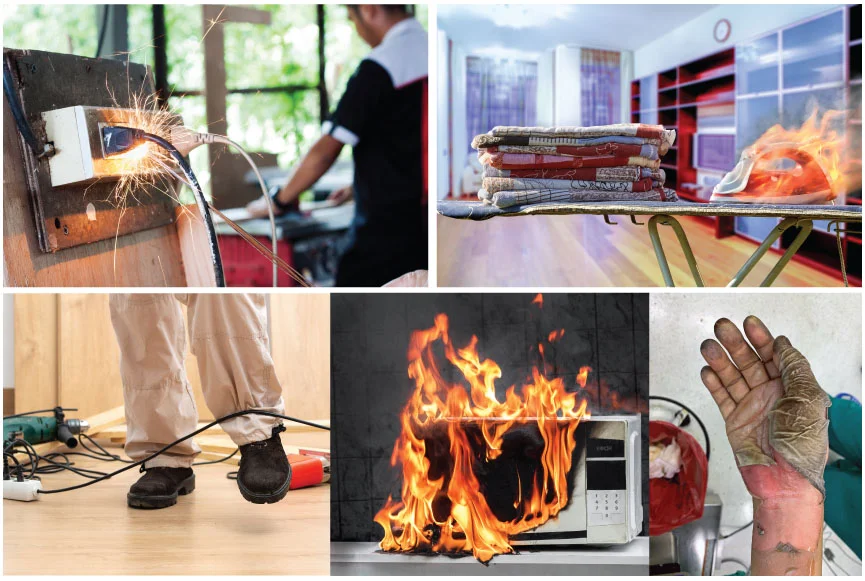
Another major danger is electrical fires, which often result from overloaded sockets, damaged wires, or poor-quality electrical installations. When too many devices are connected to a single outlet, it can overheat and ignite surrounding materials. Faulty insulation or exposed wires can also spark fires, especially in older buildings where electrical systems are outdated or not properly maintained.
Electricity dangers
Additionally, improper use of electrical equipment can lead to accidents in both homes and workplaces. Using damaged appliances, ignoring warning signs like sparks or unusual smells, and attempting DIY electrical repairs without proper knowledge can all increase the risk of injury. Children are also particularly vulnerable if safety measures such as socket covers are not in place, highlighting the importance of education and supervision.
Reasons for the electric shock
An electric shock happens when the body is a part of a closed electric circuit, where the electric current flows from one part of the body and comes out from another part.
The electric shock happens when a part of your body touches a wire that has an electric current and another part of your body touches the ground, or when you touch two wires connected to electricity.
The electric shock happens when a part of your body touches a wire that has an electric current, and another part of your body touches a material conducting the electricity and is connected to the ground.
Reasons for the electric burns
Electric burns happen when a part of your body touches a source of electric current directly, so in this case, the electric burns happen as a result of the electric shock.
When a part of your body touches an electric machine that generates heat (such as the heater, the iron, or the electric heater), or when a part of your body touches the fire or the spark resulting from the electric fire.
Reasons for the electric fires
Electric fires happen when placing an electric machine that generates heat (such as an iron, an electric heater, or a heater) close to some flammable materials (such as furniture, curtains, carpets, or clothes).
When plugging more than one machine into one socket, it causes an electric overload, so the wires heat up, causing fires. Electric fires occur when you disconnect the power supply from the machine after use, as this increases the machine’s temperature and can cause fires.
Deadly Electricity Hazards: 5 Common Mistakes That Could Cost Your Life
Electricity is essential—but small mistakes can quickly turn into life-threatening situations. Here are the most dangerous electrical mistakes you should never ignore:
- Using Electrical Devices Near Water: Water is a powerful conductor of electricity, which makes using appliances near sinks, bathrooms, or wet hands extremely dangerous. A simple mistake like touching a plugged-in device with wet hands can lead to severe electric shock or even death.
- Overloading Power Sockets: Plugging too many devices into one outlet can cause overheating, leading to electrical fires. Many people underestimate this risk, especially when using extension cords or cheap adapters that can’t handle high loads.
- Ignoring Damaged Wires and Cables: Frayed or exposed wires are one of the most common causes of electrical accidents. They can spark, overheat, or directly shock anyone who touches them. Ignoring these signs can result in serious injury or house fires.
- Attempting DIY Electrical Repairs: Trying to fix electrical problems without proper knowledge or tools is extremely risky. Even a small mistake can lead to fatal shocks or system damage. Electrical work should always be handled by professionals.
- Not Turning Off Power Before Repairs: Working on electrical devices or wiring without cutting off the power supply is a major hazard. This mistake can expose you directly to live current, increasing the risk of instant electrocution.
FAQ about Reasons Behind Electricity Dangers
1. Why is electricity dangerous to humans?
Electricity can interfere with the body’s nervous system and heart, causing shocks, burns, or even cardiac arrest.
2. What causes most electrical accidents at home?
Common causes include faulty wiring, overloaded circuits, damaged appliances, and contact with water.
3. How do electrical fires start?
They usually start due to overheating from overloaded outlets, short circuits, or exposed wires.
4. Why is water dangerous around electricity?
Water conducts electricity, increasing the risk of shock when electrical devices are used nearby.
5. How can electrical dangers be prevented?
By using proper wiring, avoiding overloading sockets, keeping devices away from water, and regularly checking appliances.
Final Tip
Electricity is powerful and useful—but without proper precautions, it can become life-threatening. Awareness and safety are your best protection. Avoiding these simple mistakes can significantly reduce the risk of electrical accidents. Awareness and caution are your first line of defense when dealing with electricity.
You can follow Science Online on YouTube from this link: Science online
Electrical current, Potential difference, Electric resistance and Ohm’s law
Resistances connection (series & parallel), Electric energy and Electric power