Camouflage and birds’ migration, Why is camouflage important?, What are the risks of migration?
Camouflage is the ability of some living organisms to be hidden from their enemies or to capture the preys of the predatory species. Camouflage and birds’ migration highlight how living organisms adapt to their environments in different ways. While camouflage helps animals remain hidden and safe within a specific habitat, migration allows birds to move and adjust to changing environmental conditions. Together, these adaptations demonstrate the diversity and complexity of survival strategies in the natural world.
Camouflage
Camouflage is one of the most fascinating adaptations in nature, allowing animals to hide in plain sight. By matching their surroundings in color, texture, or shape, animals like the Chameleon or leaf insects can avoid detection from predators. This ability not only protects them from danger but also helps predators sneak up on their prey, making camouflage a powerful survival tool in ecosystems.
Examples of adaptation by camouflage
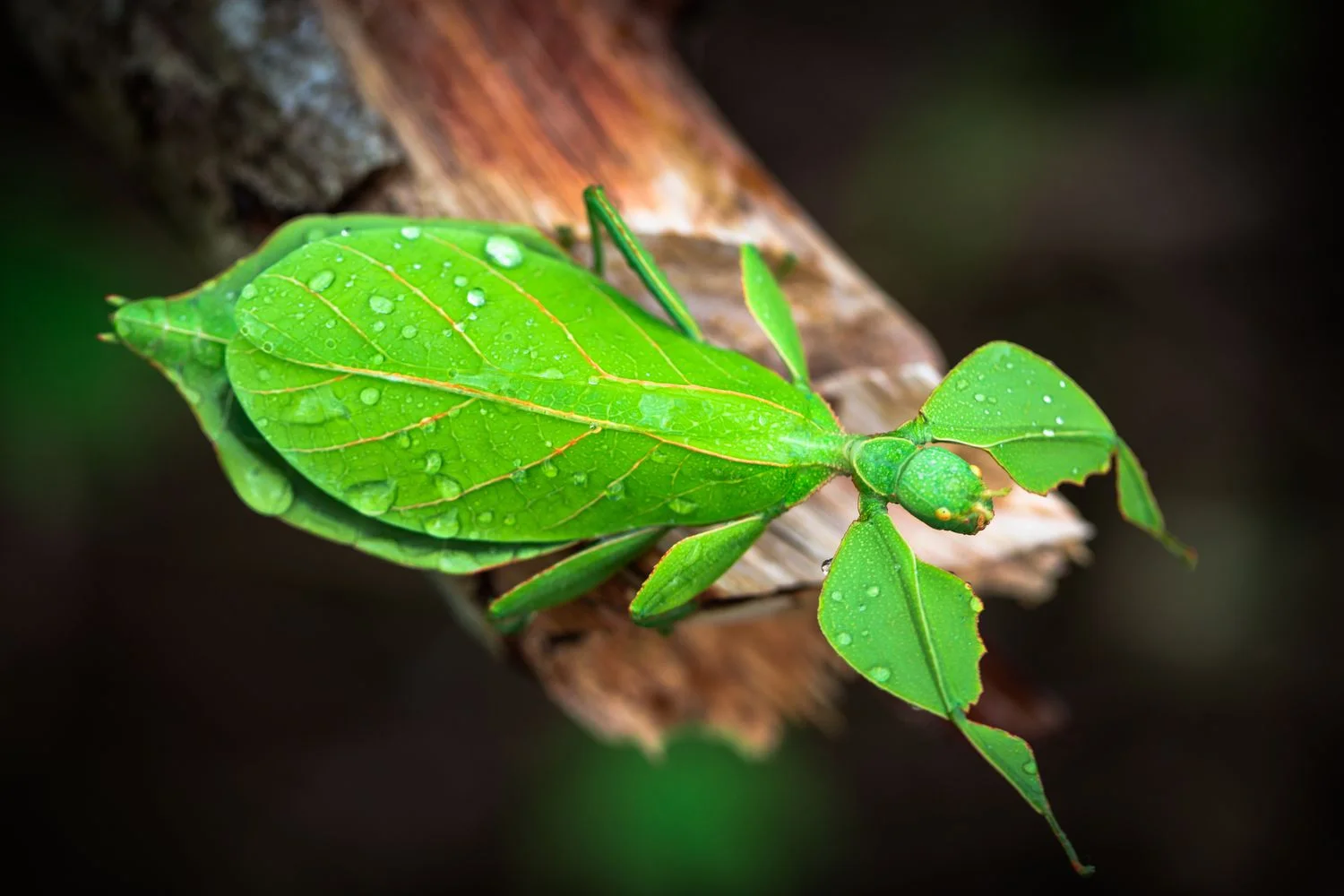
The leaf insect is hardly discoverable by its enemies because it looks like a plant leaf, exactly in its colour and the shape of its wings. The chameleon colours itself with the dominant colour of the environment to be hidden from its insect predators, which capture it and feed on it. The stick insect looks like the branches of the plants as well.
Camouflage
Birds’ migration
Bird migration is a remarkable behavioral adaptation that involves long-distance travel between different regions. Birds such as the Arctic tern undertake incredible journeys across continents and oceans to find food and suitable breeding conditions. Migration ensures that birds can survive seasonal changes and take advantage of resources available in different parts of the world.
The birds’ migration is an inherited behaviour in some species of birds, where they migrate at the same time every year. Some species of birds are adapted to the environmental conditions by migration. They inherit this behaviour (The behavioural adaptation), where they migrate at the same time every year.
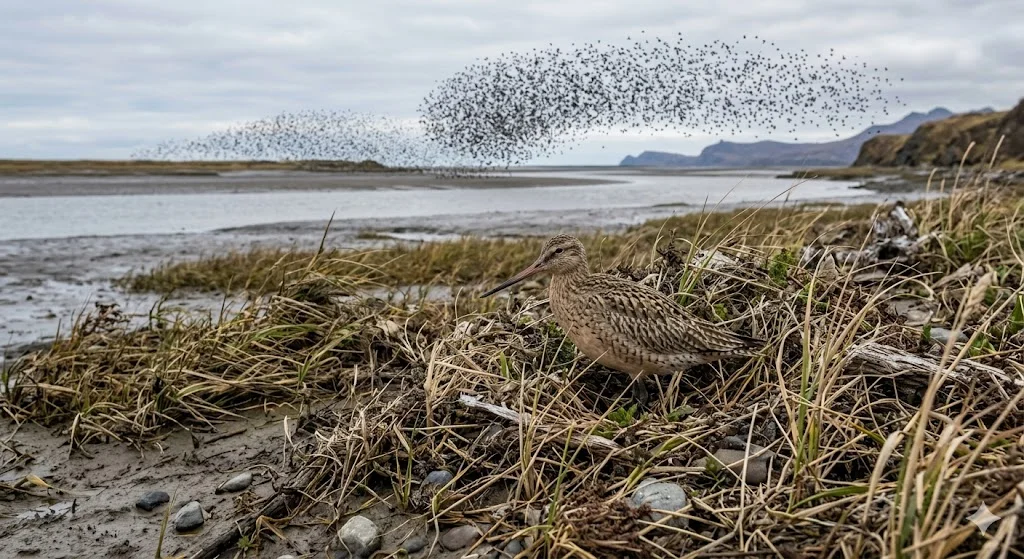
The quail bird is an example of bird migration. In the winter, some species of birds migrate from cold and polar regions to more lighted and warmer regions for reproduction. In the spring, these birds return to their original habitats.
Camouflage and birds’ migration
FAQ about Camouflage and Birds’ Migration
1. What is adaptation for hiding?
Adaptation for hiding is a survival strategy where organisms develop features that help them blend into their environment to avoid predators or catch prey.
2. What is camouflage?
Camouflage is a type of adaptation in which an organism’s color, shape, or pattern matches its surroundings, making it difficult to be seen.
3. What are examples of camouflage in animals?
Examples include:
- A chameleon changing its color.
- Leaf insect resembling leaves.
- Arctic fox blending with snow.
4. Why is camouflage important?
Camouflage helps organisms:
- Avoid predators.
- Hunt prey more effectively.
- Increase chances of survival and reproduction.
5. What is birds’ migration?
Birds’ migration is the seasonal movement of birds from one region to another, usually to find food, a suitable climate, or breeding grounds.
6. Why do birds migrate?
Birds migrate to:
- Escape cold weather.
- Find abundant food.
- Reproduce in safe environments.
7. What are examples of migratory birds?
Examples include:
- Swallow.
- Arctic tern.
- Flamingo.
8. How do birds know when to migrate?
Birds rely on:
- Changes in daylight (photoperiod).
- Temperature changes.
- Internal biological clocks.
9. How do birds navigate during migration?
Birds use:
- The sun and stars.
- Earth’s magnetic field.
- Landmarks like rivers and mountains.
10. What are the risks of migration?
Migration can be dangerous due to:
- Long distances and exhaustion.
- Predators.
- Weather changes.
- Loss of habitats.
You can subscribe to Science Online on YouTube from this link: Science Online
Adaptation in insectivorous and birds, Hibernation, Aestivation, Bird migration and Camouflage
Adaptation reasons, types, diversity of living organisms and motion in mammals
The types and reasons for adaptation of the living organisms
Adaptation and continuity of life by hibernation and aestivation