Amazing 2026 Guide: How does the fertilization process take place in the human?
Understanding how the fertilization process takes place in humans helps explain the beginning of life and pregnancy. From sperm movement to egg implantation, each stage plays a critical role in successful human reproduction and healthy embryo development.
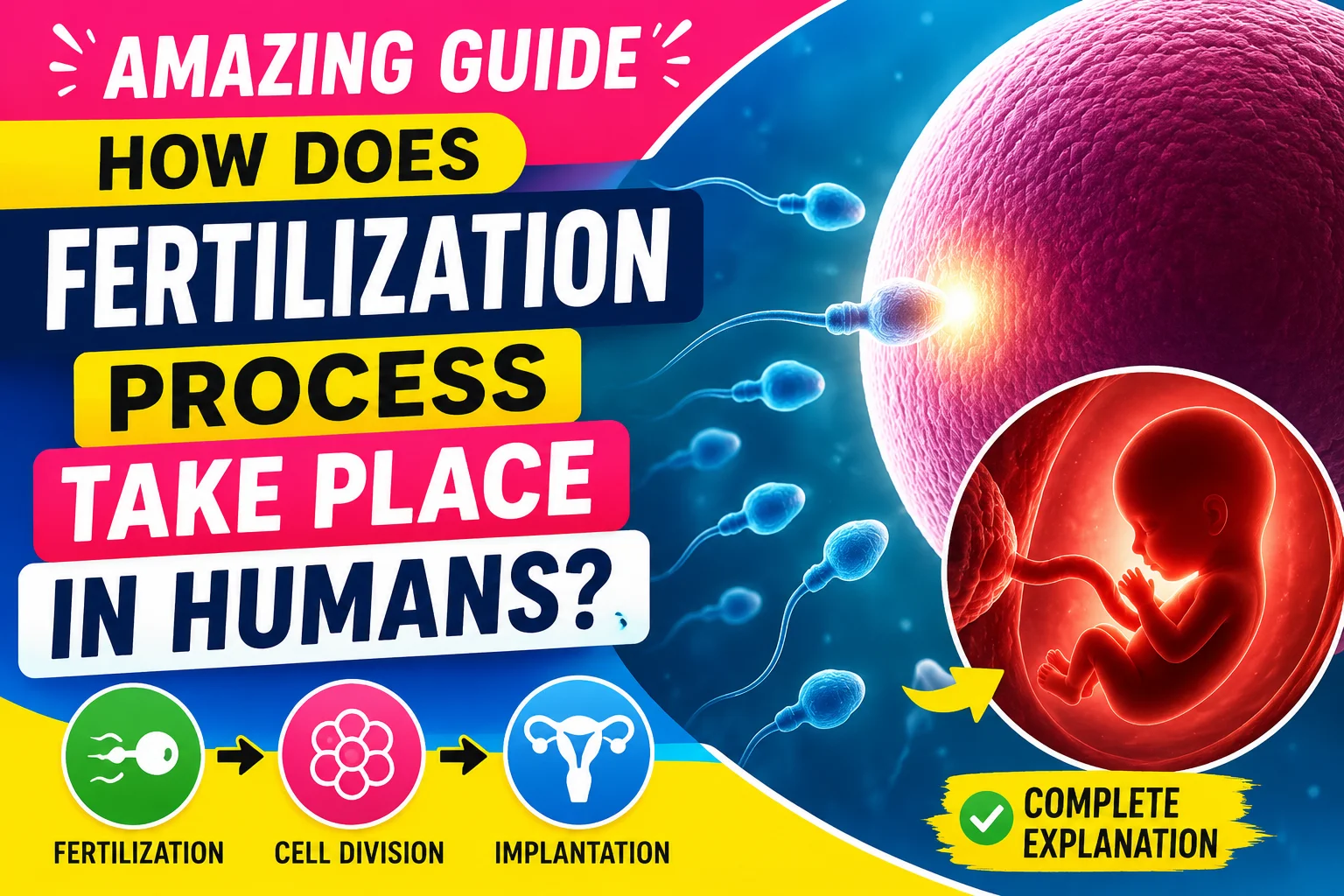
Fertilization process
The fertilization process in the human
The fertilization is the fusion of the nucleus of the male gamete (the sperm) with the nucleus of the female gamete (the ovum) to form the zygote (the fertilized egg). The body of a living organism consists of cells, each cell contains a nucleus that contains the genetic materials (the chromosomes) of the species.
The chromosomes (genetic material) carry the genes which are responsible for the hereditary traits of the organism (the species), The ovum and the sperm differ from any other cell in the number of chromosomes in the nucleus, where the nucleus of the ovum and the sperm contains only half the number of chromosomes (the genetic material).
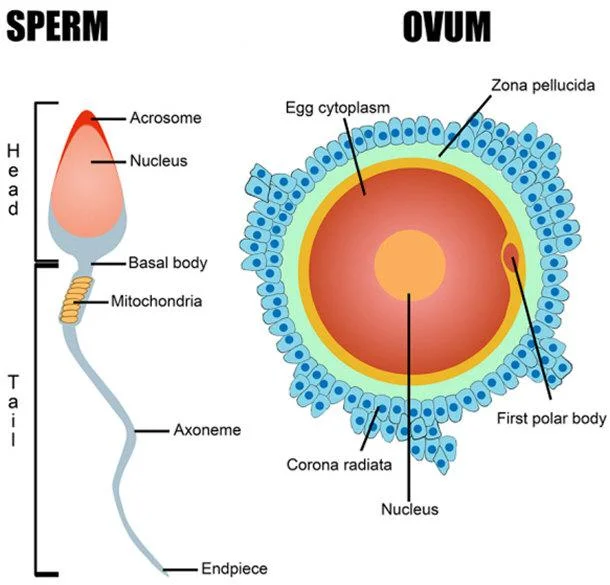
Sperm and ovum
In human, the nucleus of a body cell contains 46 chromosomes, while the nucleus of a sperm or an ovum contains 23 chromosomes.
How does the fertilization process take place in the human?
During mating, the male secretes billions of sperms which move from the vagina towards the uterus, then to the fallopian tubes.
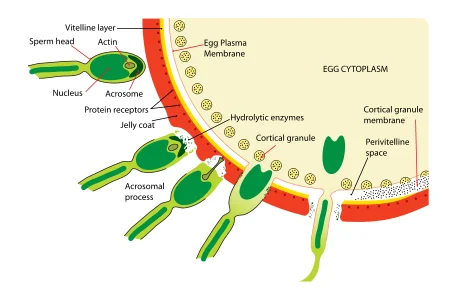
The penetration of the sperm
The female produces only one ovum on the fourteenth day of the beginning of the menstrual cycle, and sperms rush towards the ovum at the beginning of the fallopian tubes.
The head of the sperm secretes the enzymes that dissolve the cellular membrane of the ovum and facilitates its penetration inside the ovum. After the penetration of the sperm, the ovum surrounds itself with a membrane that prevents the penetration of any other sperm.
The nucleus of the sperm (which contains 23 chromosomes) fuses with the nucleus of the ovum (which contains 23 chromosomes) to form the zygote (the fertilized ovum) that contains a nucleus with 23 pairs of chromosomes (46 chromosomes).
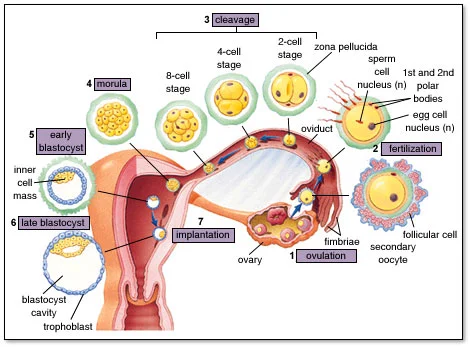
Fertilization process
The zygote transfers to the uterus to be implanted in its lining, and it divides into many successive divisions into many cells that differentiate and continue to grow, forming the embryo (the fetus), The period between fertilization and delivery is known as the pregnancy period, which extends about 9 months.
The newborn baby will carry the genetic traits of his parents as his cells contain 23 chromosomes coming from his mother ( the ovum ) and 23 chromosomes coming from his father ( the sperm ).
In case of failure of fertilization, the endometrium falls down, and the blood capillaries detach, causing the blood to flow out of the vagina for 4 to 5 days in a process known as menstruation.
Importance of the Fertilization Process
The fertilization process is one of the most important biological events in human reproduction because it marks the beginning of a new life. During this process, genetic material from both parents combines to create a unique set of DNA that determines many physical and biological traits of the future baby. Fertilization also activates cell division and embryo formation, which are essential for pregnancy and fetal growth.
In addition, fertilization plays a vital role in maintaining human survival and population continuity. A healthy fertilization process contributes to successful pregnancy outcomes and supports normal embryonic development. Modern medical advances in fertility treatments and reproductive health have also helped many couples overcome infertility problems and improve their chances of successful conception.
FAQ about the Fertilization Process
1. What is the fertilization process in humans?
Fertilization is the biological process in which a sperm cell from the male combines with an egg cell from the female to form a zygote. This process usually takes place in the fallopian tube and marks the beginning of pregnancy.
2. Where does fertilization occur in the human body?
Fertilization commonly occurs inside the fallopian tube after ovulation, when the released egg meets healthy sperm cells traveling from the uterus.
3. How long does fertilization take?
The fertilization process can take around 12 to 24 hours after the sperm successfully penetrates the egg. The fertilized egg then starts dividing into multiple cells.
4. What happens after fertilization?
After fertilization, the zygote travels toward the uterus while dividing into cells. It later implants itself into the uterine lining, where the embryo begins to develop.
5. Can fertilization happen immediately after intercourse?
Fertilization may happen within a few hours or several days after intercourse because sperm can survive in the female reproductive system for up to 5 days.
6. What are the signs of successful fertilization?
Early signs may include light implantation bleeding, mild cramps, fatigue, breast tenderness, and missed periods, although some women may not notice symptoms immediately.
7. What factors affect fertilization success?
Several factors influence fertilization, including sperm quality, egg health, age, hormonal balance, reproductive health, and timing of ovulation.
8. Can fertilization happen without ovulation?
No, fertilization requires ovulation because an egg must be released from the ovary for the sperm to fertilize it.
9. What is the difference between fertilization and implantation?
Fertilization is the union of sperm and egg, while implantation occurs later when the fertilized egg attaches to the uterine wall.
10. Why is fertilization important for human reproduction?
Fertilization is essential because it combines genetic material from both parents, leading to the formation of a new human life.
You can subscribe to Science Online on YouTube from this link: Science Online
Productive organs, Germ cells, Fertilization, Stages of cleavage, Implantation & Decidua
Placenta importance in fetal development and the most common placental problems
Reproduction, Types of sexual reproduction (Conjugation, Reproduction by sexual gametes)
Structure of Female genital system & ovum, Oogenesis stages & Menstrual cycle
Fertilization process, Pregnancy and the stages of embryonic development