General characteristics of kingdom Animalia (Phylum: Arthropoda, Mollusca, Echinodermata, Chordata)
Phylum : Arthropoda
The body is bilaterally symmetrical , It is divided into a number of segments carry many pairs of appendages that are divided into several jointed pieces , It is divided into several regions covered by an exoskeleton .
Simple and compound eyes
Simple eyes consist of one lens , Compound eyes consist of large number of separate lenses which work together to form a stereoscopic image of the object where each lens picks up a different part of the object , The number , area and shape of these lenses differ depending on the species .
Phylum Arthropoda is classified into four classes , which are :
Class : Crustacea
The body consists of two regions : small cephalothorax and abdomen , It is covered with a chitinous cuticle , They have many jointed appendages adapted in different forms to perform various functions , Their eyes are compound and they breathe by gills , Examples : Prawn , Crab ( sea cancer ) and Lobster .
Class : Arachnida
The body consists of two regions : small cephalothorax and abdomen , They have four pairs of walking legs , Their eyes are simple , They breathe by tracheoles or lungs books , Examples : Spiders , Scorpions , you notice that they are unisexual .
Class : Insecta
The body consist of three regions : small head , thorax and abdomen , They have three pairs of walking legs , two pairs of wings which may be absent ( as in majority of ant species ) or reduced into one pair ( as in house flies ) , They have one pair of compound eyes and one pair of antennae , They breathe by tracheoles , Examples : Flies , Mosquitoes , Cockroaches , Ants , Bees , Moths and Locusts .
Class : Myriapoda
The body consists of two regions : head and trunk , It is compound of several segments , They have many legs , They breathe by tracheoles , Such as Scolopendra .
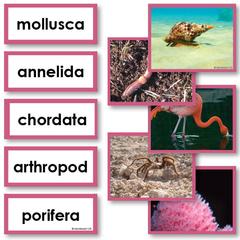
Animal Kingdom
Phylum : Mollusca
Their majority live in salt water , some in fresh water and few on land , It is a soft mass , It has a calcareous shell which may be external , internal , absent or reduced , The majority are unisexual and few are hermaphrodites .
It is unsegmented and has a muscular part used in locomotion called the foot , It has a well developed head ( carries sense organs ) and it may be absent in some species , It has an organ similar to the tongue ( in most molluscs ) called the radulla used in feeding , Examples : Desert snail , Oyster and Octopus .
Phylum : Echinodermata
It may be rounded , cylindrical or star-shaped and some have arms , it is unsegmented and has a hard endoskeleton , its wall has spines and calcareous plates ( in some of them ) , it has sucker-like structures called tube-feet .
They move by tube-feet , spines or arms , They have no anterior or posterior ends , their majority have two surfaces ( or sides ) : The surface ( side ) at which the mouth is located is called the oral surface , The opposite surface ( side ) is called the aboral surface .
It is unisexual , They reproduce sexually by gametes and asexually by regeneration , Examples of Echinodermata : Sea star , Sea urchin and sea cucumber .
Phylum : Chordata
It includes the most higher animals in animal kingdom , The embryos of chordates are characterized by presence of a skeletal structure at its dorsal region called the notochord , which either persists throughout the whole life or be converted into a vertebral column in the majority of chordates , Phylum Chordata is classified into several sub-phyla , the most important one is sub-phylum Vertebrata .
Sub-phylum Vertebrata
Notochord first appears in vertebrates in the embryonic stage and is replaced as the embryo develops by the vertebral column which surrounds and protects the spinal cord .
They have circulatory system consists of a heart consists of several chambers , blood vessels in which blood flows in a closed circulation to feed all body organs with oxygen and nutrients .
Vertebrates and thermal equilibrium :
Warm blooded animals are animals that their body temperature does not change of environment temperature , Therefore they are called endotherms or warm blooded animals , These animals use food energy to keep their body temperature constant , such as birds and mammals .
Cold blooded animals are animals that can not regulate their body temperature , where it changes according to the change in the surrounding environment , They derive their temperature from this environment , This group of animals are called ectotherms or cold-blooded animals , such as fishes , amphibians and reptiles .