How to maintain the circulatory system healthy?, Does smoking affect circulation?, How does maintaining a healthy weight help?
Heart diseases lead to death, so keeping your circulatory system healthy will decrease your risk of a heart attack. You should keep exercising to strengthen the heart muscle and activate blood circulation.
How to maintain the circulatory system healthy?
If you exercise for 30 minutes or more, you will reduce your weight and lower your risk of developing other conditions that make your circulatory system work harder, such as high blood pressure, diabetes, and high cholesterol.
You should eat healthy and balanced food that is low in fat and salt. If you eat high-quality food, it will improve the health of your circulatory system and heart.
You should avoid food that has high saturated and trans fats. You must avoid alcohol consumption to keep your circulatory system healthy.
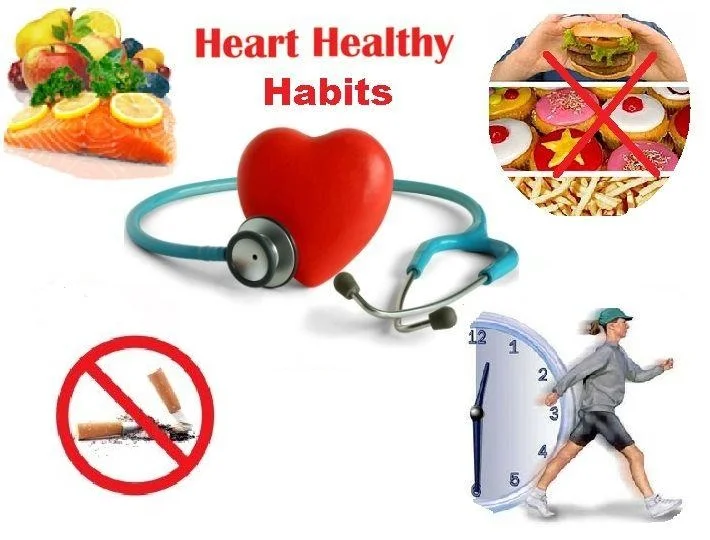
Heart-healthy habits
You should eat more fresh and clean vegetables and fruits that are rich in iron to avoid infection with anaemia disease. You should drink a suitable amount of clean water every day, especially in the summer.
You should avoid exposure to infections and accidents, and when you are wounded, try to stop the bleeding. Clean the wound and treat it.
You should avoid smoking and smokers, as smoking harms the heart and weakens blood circulation. Smoking and tobacco products increase your risk for heart disease and may lead to a heart attack.
You should maintain a healthy weight, as being overweight can increase the risk of high blood pressure, diabetes, and high cholesterol, and may lead to a heart attack.
FAQ about How to Maintain a Healthy Circulatory System
1. What is the circulatory system?
The circulatory system is responsible for transporting blood, oxygen, nutrients, and hormones throughout the body.
2. Why is it important to keep the circulatory system healthy?
A healthy circulatory system ensures:
3. What are the best exercises for heart health?
Regular physical activity improves blood flow and strengthens the heart. Examples include:
- Walking.
- Running.
- Swimming.
- Cycling.
- Aerobic exercise.
4. How does diet affect the circulatory system?
A healthy diet helps maintain good blood flow and prevents diseases. It should include:
- Fruits and vegetables.
- Whole grains.
- Lean proteins.
- Healthy fats.
- Avoid excessive salt, sugar, and saturated fats.
5. How much water should I drink?
Staying hydrated helps maintain proper blood volume and circulation. Most people should drink about 6–8 glasses of water daily, depending on activity level.
6. Does smoking affect circulation?
Yes, smoking damages blood vessels, reduces oxygen in the blood, and increases the risk of heart disease and stroke.
7. How does stress impact the circulatory system?
Chronic stress can increase blood pressure and strain the heart, negatively affecting circulation.
8. How can I reduce stress for better heart health?
You can manage stress by:
- Meditation.
- Deep breathing.
- Relaxation techniques.
- Regular physical activity.
9. Why is sleep important for circulation?
Good sleep helps regulate blood pressure and allows the heart to recover. Adults should aim for 7–9 hours of sleep per night.
10. How does maintaining a healthy weight help?
A healthy weight reduces strain on the heart and lowers the risk of high blood pressure and cardiovascular diseases.
11. Should I check my blood pressure regularly?
Yes, regular monitoring helps detect early problems and maintain heart health.
12. What foods are good for circulation?
Foods that support circulation include:
- Leafy greens.
- Berries.
- Fish rich in omega-3.
- Nuts and seeds.
13. Can poor habits damage the circulatory system?
Yes, habits like:
can harm the system over time.
14. How often should I visit a doctor?
Regular check-ups (once or twice a year) help detect and prevent circulatory problems early.
Maintaining a healthy circulatory system involves regular exercise, balanced nutrition, hydration, stress management, and avoiding harmful habits. These steps help ensure efficient blood flow and overall well-being.
You can follow science online on YouTube from this link: Science online