Huawei Mate 80 Pro Max review, advantages, disadvantages and specifications
Huawei Mate 80 Pro Max offers LTPO OLED, 1B colors, 120Hz, 1440Hz PWM, HDR Vivid, 8000 nits (peak), it has a size of 6.9 inches, 117.2 cm2 (~90.2% screen-to-body ratio), it has a resolution of 1320 x 2848 pixels, 19.5:9 ratio (~455 ppi density), making it suitable for browsing the internet, watching videos and playing games, and it has Huawei Kunlun Glass 2 for screen protection.
Huawei Mate 80 Pro Max advantages
Huawei Mate 80 Pro Max presents the latest operating system of OS HarmonyOS 6.0, it has Kirin 9030 Pro, it offers fantastic performance without any lag, it offers high internal memory of 512GB 16GB RAM that is suitable for multitasking performance, it offers lots of RAM and a large memory, It was announced on 2025, November 25, and it was released on 2025, November 25.
Huawei Mate 80 Pro Max presents a quad primary camera, it has 50 MP, f/1.4-f/4.0, 24mm (wide), PDAF, OIS, it has 50 MP, f/2.1, 91mm (periscope telephoto), PDAF, OIS, 4x optical zoom, it offers 50 MP, f/3.2, 140mm (periscope telephoto), PDAF, OIS, 6.2x optical zoom, it has 40 MP, f/2.2, 13mm, 120˚ (ultrawide), PDAF, it has features such as Laser AF, color spectrum sensor, LED flash, panorama, HDR, it has a video of 4K, 1080p@960fps, HDR, gyro-EIS, OIS, it has a single selfie camera, 13 MP, f/2.0, 18mm (ultrawide), AF TOF 3D, (depth/biometrics sensor), it has features such as HDR, panorama, it has a video of 4K, 1080p, HDR, gyro-EIS, and it offers fanatastic selfies.
Huawei Mate 80 Pro Max has 2G bands GSM 850 / 900 / 1800 / 1900, CDMA 800, it presents 3G bands HSDPA 800 / 850 / 900 / 1700(AWS) / 1900 / 2100, CDMA2000 1x, it has 4G bands LTE, it has 5G bands SA/NSA, and it offers a speed of HSPA, LTE, 5G.
Huawei Mate 80 Pro Max
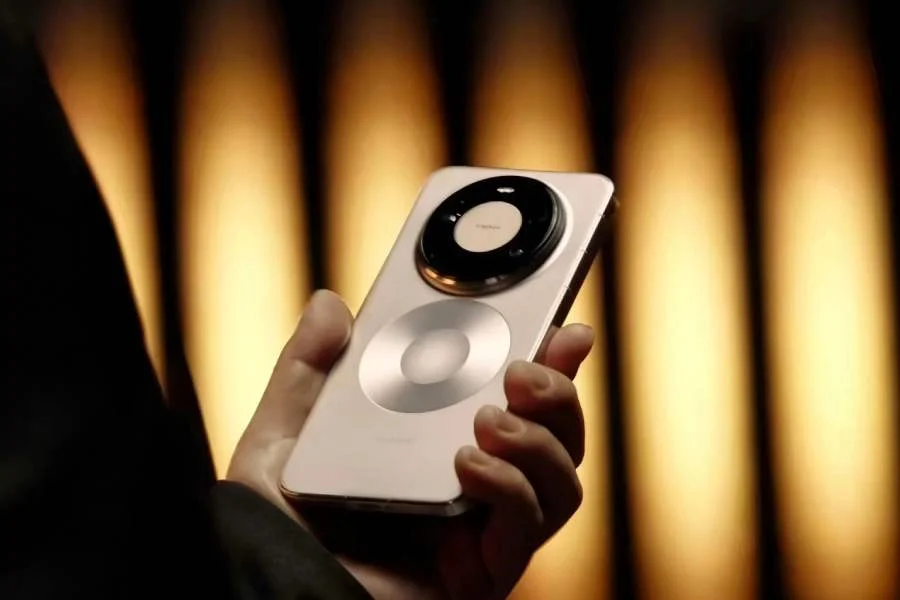
Huawei Mate 80 Pro Max offers a glass front, aluminum alloy frame, aluminum alloy back, it measures 164.4 x 79 x 8.3 mm (6.47 x 3.11 x 0.33 in), it has a Nano-SIM + Nano-SIM, it is IP68/IP69 dust-tight and water-resistant (high-pressure water jets; immersible up to 6m for 30 min), it has a loudspeaker, with stereo speakers, and it has High-definition audio.
Huawei Mate 80 Pro Max comes with Wi-Fi 802.11 a/b/g/n/ac/6/7, dual-band, Wi-Fi Direct, it has Bluetooth 6.0, A2DP, LE, L2HC, it includes GPS (L1+L5), GLONASS (L1), BDS (B1I+B1c+B2a+B2b), GALILEO (E1+E5a+E5b), QZSS (L1+L5), NavIC, it has NFC to transfer data, it offers an Infrared port, and it has USB, Type-C 3.1, OTG, DisplayPort 1.2.
Huawei Mate 80 Pro Max offers sensors such as Face ID, fingerprint (side-mounted), accelerometer, gyro, proximity, barometer, compass, it has BDS Satellite Calling and Messaging – China only, it has a 6000 mAh battery that lasts for a long time, it has Charging: 100W wired, 80W wireless, 20W reverse wireless, and 18W reverse wired.
Huawei Mate 80 Pro Max comes with colors such as Black, Silver, Blue, and Gold, it has models such as SGT-AL10, its price is about 980 EUR, It offers a high-end processor and graphics processor. the images, videos and text look very sharp & clear, it can take superb photos without losing any details, It has a big and vibrant screen.
Huawei Mate 80 Pro Max offers connectivity options such as Wi-Fi, Bluetooth, GPS, USB, 3G, 4G and 5G, It includes an excellent screen-to-body ratio, It has a Fingerprint for better phone security, It offers a premium and impressive design, it looks more fashionable, it has high building quality, It has smooth performance, and it offers a high battery capacity.
Huawei Mate 80 Pro Max offers decent apps and gaming performance, it offers a high pixel density, It has a high resolution that makes the display very clear and bright, It has better viewing angles and lower power consumption, It has superb cameras, the quality of the produced photos is very good in both natural and low light conditions, It has excellent and up-to-date software.
Huawei Mate 80 Pro Max disadvantages
Huawei Mate 80 Pro Max offers a bit of heavyweight at 239 g (8.43 oz), it does not have a 3.5mm jack, it does not have FM Radio, and it does not have a Temperature sensor.
You can follow Science Online on YouTube from this link: Science online