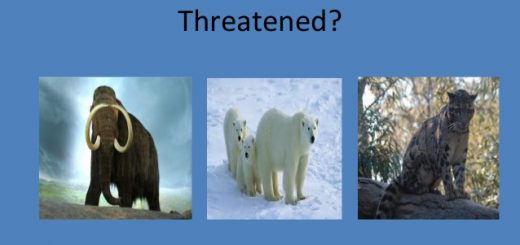
Dinosaurs’ extinction, Causes of old and recent extinction, How do humans contribute to extinction?, Can extinction be prevented today?
Scientists witnessed five mass extinctions, and some scientists believe that we live in the sixth extinction age (The Recent Extinction), where the rate of extinction is 40 times larger than the normal rate of extinction.
Causes of old extinctions
The scientists postulated that the causes of old extinctions are due to the emission of poisonous gases from the active volcanoes, the meteorite impacts with the Earth, and the onset of the long glacial age.
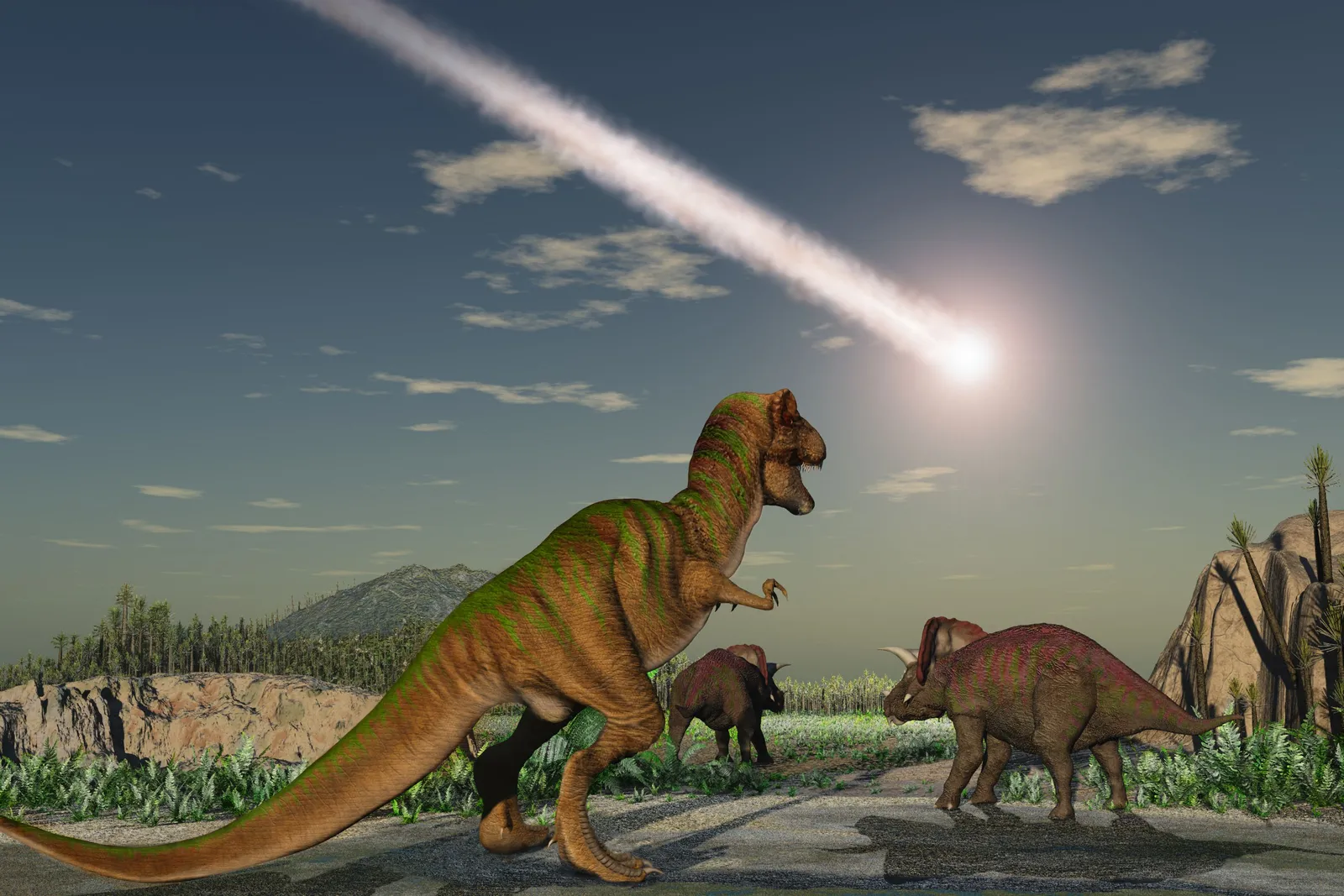
The dinosaurs’ extinction
Causes of recent extinction
Destroying the natural habitat causes recent extinction. The tropical forests include about one-third of the terrestrial living organisms, where each tree forms a shelter for more than 300 species of living organisms.
So, cutting the forest’s trees destroys the habitat of these species and drives them stray and homeless. The scientists estimate that we lose about 68 species of trees every day.
Overhunting is considered one of the important causes of the extinction of hundreds of reptile and mammal species. Overhunting is hunting wild animals in a random, unorganized way, which exposes them to extinction.
This is due to the increased rate of interest in the animals’ skins and furs, the progressive development in the technology of hunting weapons, and the absence of laws that control wild animal hunting at the beginning of the 20th century.
Environmental pollution causes the extinction of many living organisms. When the oil leaks into the oceans and the seas, it causes the death of the marine birds. When the acidic rains fall, they destroy the forest’s trees, and the chemical insecticides break down the food chains.
Climate change and natural disasters have caused the recent extinction. Some of the disasters are related to climatic changes such as drought, tornadoes, floods, lightning, torrents, storms, and the rising temperature of the Earth.
Some disasters are not related to climate change, such as earthquakes, volcanoes, and the high marine tide (the tsunami waves), Natural disasters are considered one of the causes that lead to the extinction of species.
FAQ About Dinosaurs’ Extinction & Causes of Extinction
Dinosaurs’ Extinction
1. When did dinosaurs go extinct?
Dinosaurs became extinct about 66 million years ago during the end of the Cretaceous–Paleogene extinction event.
2. What caused the extinction of dinosaurs?
The main cause was a massive asteroid impact known as the Chicxulub impact.
This led to:
- Huge explosions and wildfires.
- Dust is blocking sunlight.
- Sudden global cooling.
- Collapse of food chains.
3. Where did the asteroid hit Earth?
The asteroid struck near the Chicxulub crater, located in present-day Mexico.
4. Did all dinosaurs die?
All non-avian dinosaurs went extinct, but birds (modern avian dinosaurs) survived and evolved.
5. Were there other factors besides the asteroid?
Yes, scientists believe additional factors contributed:
- Volcanic eruptions (e.g., Deccan Traps).
- Climate changes.
- Sea-level fluctuations.
Causes of Old (Ancient) Extinction
6. What is meant by old extinction?
Old extinction refers to natural extinction events that happened millions of years ago, before human influence.
7. What are the main causes of ancient extinction?
Common causes include:
- Volcanic eruptions.
- Asteroid impacts.
- Climate change (cooling or warming).
- Changes in sea levels.
- Continental drift.
8. What is a mass extinction?
A mass extinction is a global event where a large number of species disappear in a short time. Example: the Permian–Triassic extinction event, which wiped out about 90% of species.
Causes of Recent Extinction
9. What is recent extinction?
Recent extinction refers to species disappearing in modern times, mainly due to human activities.
10. What are the main causes of recent extinction?
Key causes include:
- Habitat destruction (deforestation, urbanization).
- Overhunting and overfishing.
- Pollution.
- Climate change.
- Introduction of invasive species.
11. How do humans contribute to extinction?
Humans affect ecosystems by:
- Destroying natural habitats.
- Emitting greenhouse gases.
- Overusing natural resources.
- Polluting air, water, and soil.
12. What are examples of recently extinct animals?
- Dodo.
- Woolly mammoth.
- Tasmanian tiger (Thylacine).
13. Can extinction be prevented today?
Yes, through:
- Conservation programs.
- Protected areas (reserves).
- Laws against hunting.
- Raising awareness.
Organizations like the International Union for Conservation of Nature track endangered species and help protect them.
You can subscribe to Science Online on YouTube from this link: Science Online
Natural protectorates, Reasons of extinction, Extinct & endangered species
Fossils types, mold, cast, petrified wood & Fossil of a complete body
The ways to protect the living organisms from the extinction
The extinction and using the fossils to indicate the extinction
The extinct species in recent times and the causes of the extinction
The importance of the fossils and the suitable conditions for the formation of the fossils