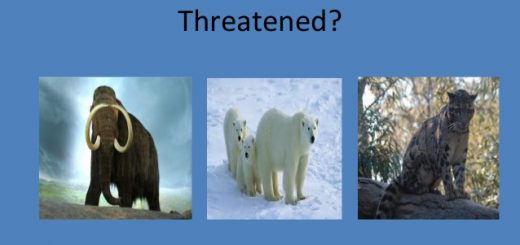
Extinction & using fossils to indicate the extinction, What is the fossil record? & What is mass extinction?
Extinction is the continuous decrease without compensation in the number of a certain species of living organisms until all the members of the species die out, or it is the dying out of all the members of species of living organisms.
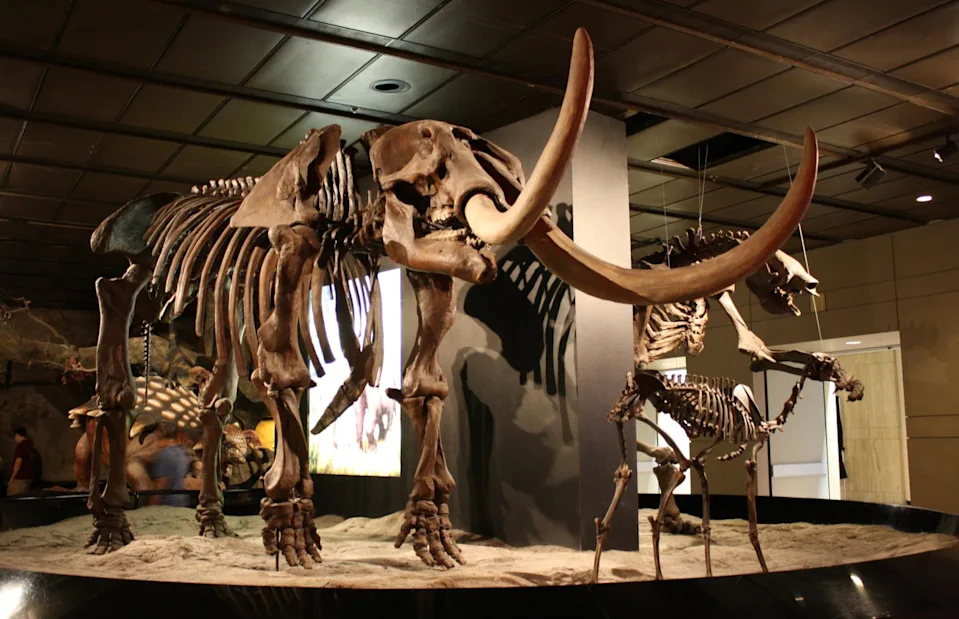
The dinosaurs became extinct 66 million years ago
Extinction
The moment of extinction is the date of the death of the last individual of these species, and most dinosaurs became extinct 66 million years ago due to environmental and climatic changes.
The extinction is the end of the organism or of a group of organisms (taxon), normally a species. The moment of extinction is considered to be the death of the last individual of the species.
The species is extinct when the last existing member dies. The extinction becomes a certainty when there are no surviving individuals that can reproduce and create a new generation. The species may become functionally extinct when only a handful of the individuals survive.
Using the fossils to indicate the extinction
Studying the fossil record shows that terrestrial life (the wildlife) appeared 570 million years ago. It witnessed ages when the species flourished, and then they suffered from a rapid decrease in the number of their members until they became extinct.
98 % of the organisms, such as the dinosaurs, appeared and became extinct before the creation of man. The ratio of the known living organisms now does not exceed 2 % of the total species that have appeared since the establishment of the planet Earth.
The fossils of some fish, reptiles, and birds are not similar to their living counterparts now.
FAQs about Extinction
1. What is extinction?
Extinction is the complete disappearance of a species from Earth when no individuals of that species remain alive.
2. What are the main causes of extinction?
Extinction can occur due to:
- Climate change.
- Natural disasters (volcanoes, earthquakes).
- Loss of habitat.
- Overhunting or human activities.
- Competition with other species.
3. What is mass extinction?
Mass extinction is a global event in which a large number of species become extinct in a relatively short period of time, such as the Cretaceous–Paleogene extinction event.
4. Are extinctions still happening today?
Yes, extinctions are still occurring today, and many scientists believe we are currently experiencing a human-driven extinction crisis.
5. Can extinct species come back?
In most cases, extinction is permanent. However, some scientists are exploring de-extinction using genetic technology, though it is still experimental.
FAQs about Using Fossils to Indicate Extinction
6. What is a fossil?
A fossil is the preserved remains or traces of organisms that lived in the past, such as bones, shells, or footprints.
7. How do fossils help scientists understand extinction?
Fossils provide evidence of organisms that once existed but no longer live today, helping scientists identify extinct species.
8. What is the fossil record?
The fossil record is the collection of all fossils discovered and their placement in rock layers, which shows the history of life on Earth.
9. How can fossils indicate that a species is extinct?
If fossils of a species are found in older rock layers but are completely absent in newer layers, scientists conclude that the species has become extinct.
10. What are index fossils, and why are they important?
Index fossils are fossils of organisms that lived for a short time but were widely distributed. They help scientists date rock layers and identify extinction periods.
11. Can fossils show when extinction happened?
Yes, by studying the position of fossils in rock layers, scientists can estimate when a species disappeared.
12. What role does stratigraphy play in studying extinction?
Stratigraphy helps scientists analyze rock layers to understand the timeline of life and extinction events.
13. Do all extinct organisms leave fossils?
No, fossilization is rare and requires special conditions, so many extinct species may never be discovered.
14. What is a sudden disappearance in the fossil record?
It refers to a species appearing in many layers and then abruptly vanishing, which often indicates a rapid extinction event.
You can subscribe to Science Online on YouTube from this link: Science Online
Natural protectorates, Reasons of extinction, Extinct & endangered species
Fossils types, mold, cast, petrified wood & Fossil of a complete body