7 Powerful Facts About Static and Current Electricity: The Ultimate Guide (2026)
Static and current electricity are fundamental concepts in physics that explain how electric charges behave, making them essential for understanding modern technology and everyday electrical applications.
Electricity
The electricity is produced from the electric charges. When these electric charges are stable on a body, the produced electricity is static electricity, and when the electric charges flow through a conductor (wire), the produced electricity is dynamic electricity.
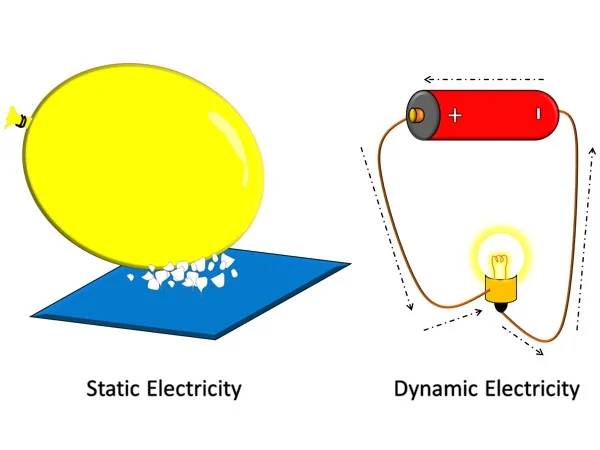
Static electricity and dynamic electricity
What Are the Two Types of Electricity?
Electricity exists in two main forms: Static Electricity and Current Electricity. Static electricity refers to electric charges that accumulate on the surface of objects without moving, while current electricity involves the continuous flow of electrons through a conductor, such as wires. Understanding these two types is essential because they form the foundation of modern technology—from simple phenomena like lightning to complex electrical systems powering homes and devices.
Static Electricity
- Charges remain stationary.
- Builds up due to friction (e.g., rubbing objects).
- Can discharge suddenly (like a spark or lightning).
Current (Dynamic) Electricity
- Charges flow continuously.
- Requires a closed circuit.
- Powers electrical appliances and devices.
Static electricity vs. dynamic electricity
Static electricity and dynamic electricity are two different forms of electric energy. The difference between static electricity and dynamic electricity lies in the movement of electric charges:
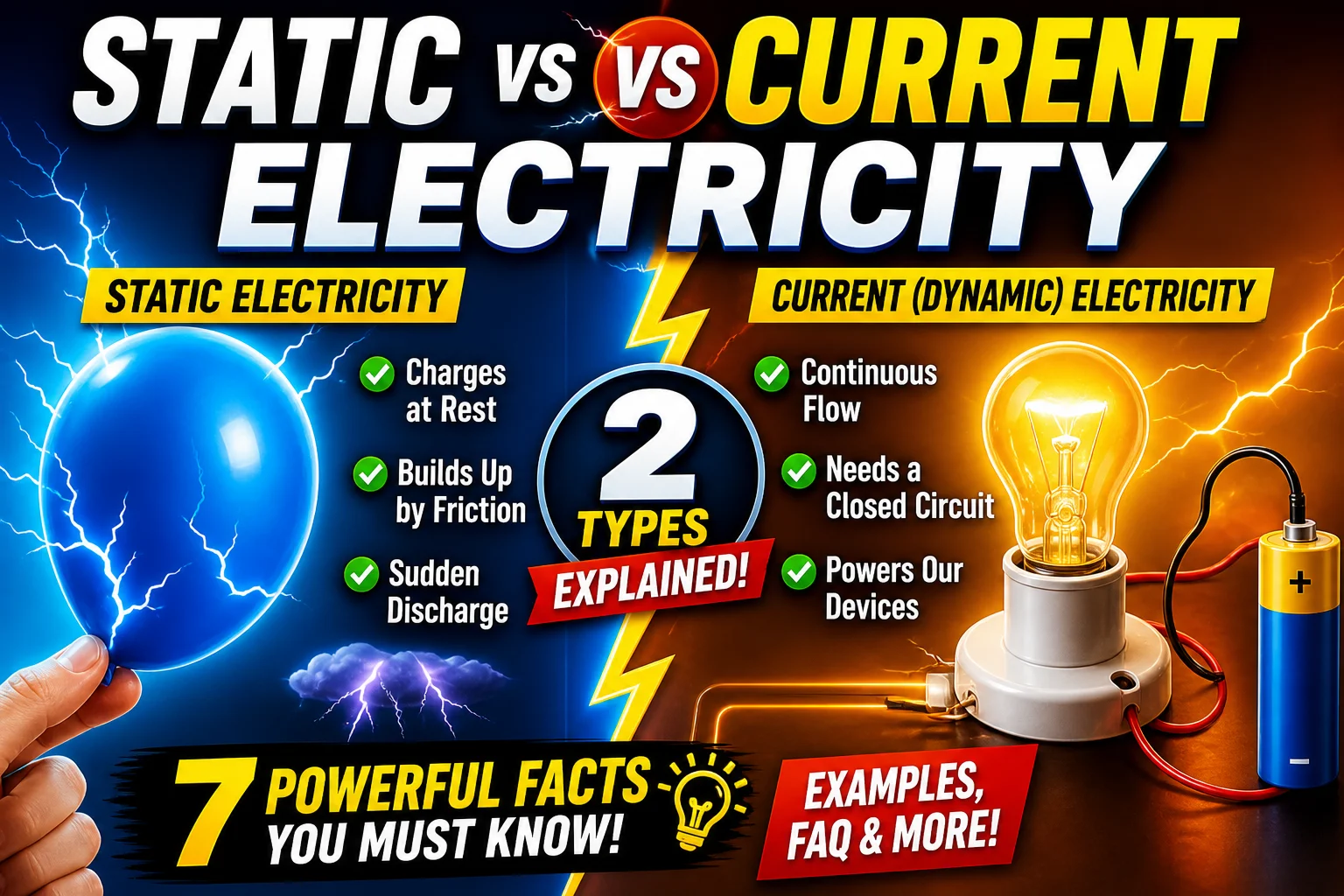
Static electricity vs current electricity
1. Static Electricity
Static electricity is the buildup of electric charge on the surface of an object. It is usually caused by friction, which transfers electrons from one object to another (e.g., rubbing a balloon on your hair). Charges do not flow; they stay in one place until suddenly discharged. It is not generally used to power devices, though it’s used in some industries (e.g., photocopiers, air purifiers). It can suddenly discharge (like a spark or shock). Example: When you rub a balloon on your hair. When you get a small shock after walking on a carpet and touching a metal doorknob.
2. Dynamic Electricity (Current Electricity)
Dynamic electricity is the flow of electric charge (electrons) through a conductor. It requires a closed circuit and a power source (like a battery or generator). Charges flow continuously in a circuit. It powers most electronic devices and appliances. It is a Continuous and controlled flow. such as the electricity flowing through a wire to power a lamp, and the electricity that powers your phone, lights, and appliances.
Static electricity = charges build up and stay still.
Dynamic electricity = charges flow and power devices.
Static electricity
Static electricity is a type of electricity that is formed from the electric charges that remain on an object, and rubbing of the objects generates static electricity.
There are some phenomena related to static electricity as the vision of the light in the sky, which is called lightning, standing up your hair while combing it with a plastic comb, and hearing a sound when you take off your clothes.
There are two types of electric charges, which are the positive charges and the negative charges. Lightning happens when positive electric charges found in the clouds meet with the negative electric charges rising from the Earth.
Current (dynamic) electricity
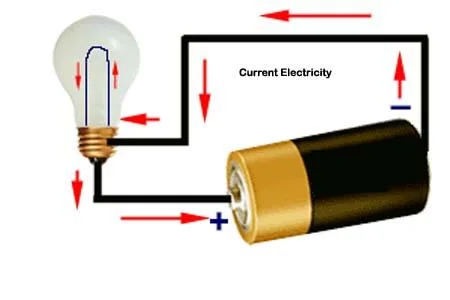
Dynamic electricity
The current electricity is the electric charges that flow through the connecting wires for long distances, forming the electric current. The electric current is the movement of electric charges. When the electric current flows through a wire in one direction, it is called a direct current.
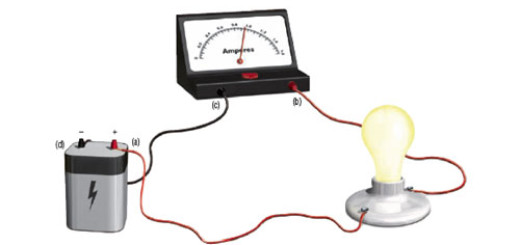
To obtain the electric current or the dynamic electricity, we need to form an electric circuit which is composed of a battery, a lamp, the connecting wires, and the electric switch (the key).
Difference between static electricity and dynamic electricity
In static electricity, the charge stays still until it is discharged, while in dynamic electricity, the charge moves continuously, creating a current.
- Static Electricity: Charges are stationary, caused by friction and accumulation.
- Dynamic Electricity: Charges are in motion, caused by a voltage difference, creating an electric current.
Static Electricity
Static electricity is the accumulation of electric charge on the surface of an object, usually caused by friction between two materials. The charge remains stationary or “static.” In static electricity, the charges do not move; they accumulate in one place until they are discharged.
Examples: The shock you feel when touching a metal doorknob after walking on a carpet, or when your hair stands on end after rubbing a balloon on it. Typically occurs when insulating materials rub together, transferring electrons from one material to another.
Static Electricity Examples
- On rubbing a balloon on your hair, electrons transfer from one to the other, making the hair stand up due to the buildup of static charge.
- When you walk on a carpet and touch a metal doorknob, this creates a static charge on your body. When you touch a metal object, like a doorknob, you may feel a shock as the charge is discharged.
- After drying clothes in a dryer, you might find them clinging together due to static electricity caused by friction between the fabrics.
- During thunderstorms, static charge builds up in clouds. When the charge difference becomes large enough, it discharges in the form of lightning.
- Dust attraction to TV screens: Old CRT screens or some modern electronics can build up a static charge, attracting dust particles from the air.
Dynamic Electricity (Current Electricity)
Dynamic electricity is the flow of electric charge (usually electrons) through a conductor, such as a wire. In dynamic electricity, charges are in constant motion, flowing through a conductor to create an electric current. It requires a potential difference (voltage) that causes the electrons to flow from a high-energy area to a low-energy area. Examples: The electricity flowing through the power lines to your home, or a battery powering a device.
Dynamic Electricity Examples
- The electricity that powers appliances, lights, and devices in homes flows as dynamic electricity through wires.
- When a battery powers a flashlight or a remote control, it provides a steady flow of electric current through the circuit, which is dynamic electricity.
- The movement of electrical current from a battery to the motor drives the vehicle forward, representing dynamic electricity in action.
- The electricity flowing from a wall outlet into your phone through a charger cable is an example of dynamic electricity.
- Electricity generated at a power plant and transmitted over power lines to homes and businesses is dynamic electricity, as it involves a constant flow of electrons through conductors.
FAQ About Static and Current Electricity
1. What is static electricity?
Static electricity is the buildup of electric charges on an object’s surface without movement.
2. What is current electricity?
Current electricity is the flow of electric charge through a conductor, like a wire.
3. What are the main differences between static and current electricity?
Static electricity involves stationary charges, while current electricity involves moving charges.
4. What causes static electricity?
It is caused by friction between materials, transferring electrons from one object to another.
5. Where is current electricity used?
It is used in homes, industries, and electronic devices.
6. Can static electricity be dangerous?
Yes, it can cause sparks, which may lead to fires in certain environments.
7. What is an example of static electricity?
Lightning is a natural example of static electricity discharge.
8. What is an example of current electricity?
An electric current flows through wires to power a lamp.
You can follow science online on YouTube from this link: Science online
Electrical current, Potential difference, Electric resistance, and Ohm’s law
Resistance connection (series & parallel), Electric energy and Electric power