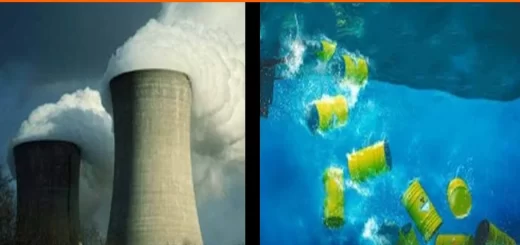
Soil pollution, Soil pollutants and ways to protect the soil from pollution
Pollution is very dangerous. There are different kinds of pollution, such as air pollution, water pollution, and soil pollution. Pollution is any change in the environment that disturbs its natural balance.
Soil pollution is any change in the soil that disturbs its natural balance and harms its living organisms. Human wrong behaviour causes soil pollution.
Soil pollution affects living organisms. It harms plants, animals and human; soil pollution reduces the ability of the agricultural soil for cultivation, causing the death of plants, and it harms the health of animals and humans.
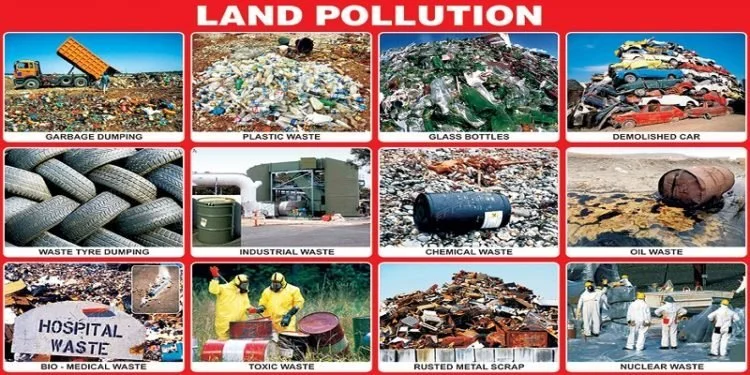
Soil pollution
Soil pollutants
Soil pollutants are materials that cause soil pollution.
There are many soil pollutants, such as chemical pesticides, chemical fertilizers, industrial wastes, and increasing soil salinity.
-
Chemical pesticides are used to kill the pests of agricultural crops, but they contaminate the plants as they leak into the soil, so they harm human and animals’ health when they feed on these contaminated plants.
-
Chemical fertilizers are used to compensate for poor soil with the required elements for plant growth and the formation of its food.
But the large quantities of chemical fertilizers cause the death of living organisms that live in the soil and harm the humans and the animals that feed on the plants, as the chemical fertilizers leak into the plants that grow in the soil.
-
Industrial waste results from industrial activities and pollutes the air, water, and soil. They increase soil acidification, and they deprive the plants of the soil salts, causing the death of the plants as the soil salts are necessary for the plant’s growth.
-
The increase in soil salinity is due to the increase in the periods between irrigation times and the rising level of the groundwater. It causes the loss of cultivated plants and affects the plant’s growth.
Ways to protect the soil from pollution
- You should improve the drainage of the agricultural lands.
- You have to rationalize the use of various kinds of pesticides and depend mainly on the natural enemies of the insects to feed on the agricultural pests.
- You should rationalize the use of chemical fertilizers, and you should use natural fertilizers.
- You should treat industrial waste by following technological methods.
- You should establish the factories far from the agricultural areas.
- You should use technological investments to treat wastewater before draining it into the lakes and rivers.
- You have to recycle agricultural waste to produce useful materials.
- You should irrigate the agricultural lands regularly to prevent soil salinity.
- You should promote environmental awareness among the people, especially in the agricultural areas.
FAQ about Soil Pollution, Soil Pollutants, and Ways to Protect the Soil
1. What is soil pollution?
Soil pollution is the contamination of soil with harmful substances such as chemicals, waste materials, or toxic compounds. These pollutants reduce soil quality, harm plants and animals, and may also affect human health.
2. What are the main causes of soil pollution?
The main causes include:
- Industrial waste and chemicals.
- Excessive use of pesticides and fertilizers in agriculture.
- Disposal of household garbage and plastics.
- Oil spills and fuel leakage.
- Mining activities and construction waste.
3. What are soil pollutants?
Soil pollutants are harmful substances that contaminate the soil and damage its natural properties. These pollutants may come from human activities or natural processes.
4. What are examples of soil pollutants?
Common examples of soil pollutants include:
- Pesticides and herbicides.
- Chemical fertilizers.
- Industrial chemicals and heavy metals (like lead and mercury).
- Plastic waste.
- Oil and petroleum products.
- Sewage and untreated waste.
5. How does soil pollution affect plants?
Soil pollution can:
- Reduce soil fertility.
- Prevent plants from absorbing nutrients properly.
- Slow plant growth.
- Cause plants to produce unsafe food contaminated with chemicals.
6. How does soil pollution affect human health?
Polluted soil can contaminate food crops and groundwater. When humans consume contaminated food or water, it may lead to health problems such as poisoning, diseases, and long-term health risks.
7. What are the environmental effects of soil pollution?
Soil pollution can:
- Destroy microorganisms that keep soil healthy.
- Reduce agricultural productivity.
- Harm animals and insects.
- Contaminate nearby water sources.
- Damage ecosystems and biodiversity.
8. How can soil pollution be reduced?
Soil pollution can be reduced by:
- Using organic fertilizers instead of chemical ones.
- Reducing the use of pesticides.
- Proper disposal of industrial and household waste.
- Recycling materials such as plastic and metal.
- Treating sewage before releasing it into the environment.
9. What are ways to protect soil from pollution?
Ways to protect soil include:
- Practicing sustainable agriculture.
- Planting trees and maintaining vegetation cover.
- Avoiding dumping waste on land.
- Controlling industrial emissions and waste.
- Promoting environmental awareness and education.
10. Why is protecting soil important?
Protecting soil is important because soil is essential for growing food, supporting plant life, maintaining ecosystems, and sustaining human life. Healthy soil ensures food security and environmental balance.
11. What role do governments and communities play in protecting soil?
Governments can create environmental laws and regulate waste disposal, while communities can participate by reducing waste, recycling, and supporting eco-friendly farming practices.
12. Can polluted soil be restored?
Yes, polluted soil can sometimes be restored using methods such as:
- Bioremediation (using microorganisms to remove pollutants).
- Planting special plants that absorb toxins.
- Removing contaminated soil and replacing it with clean soil.
You can follow science online on YouTube from this link: Science online
The water pollutants and the protection of the water from pollution