Panasonic Nicobo Review: Features, Pros, Cons & Full Guide, The Cute Companion Robot That Feels Alive
Nicobo is a small, plush companion robot developed by Panasonic. It is often described as a “weak robot,” meaning it doesn’t perform practical tasks but instead encourages emotional bonding. It behaves like a pet or baby—reacting to touch, voice, and environment—while showing its own “personality” and moods. Its main goal is to reduce loneliness and improve mental well-being.
What is Panasonic Nicobo?
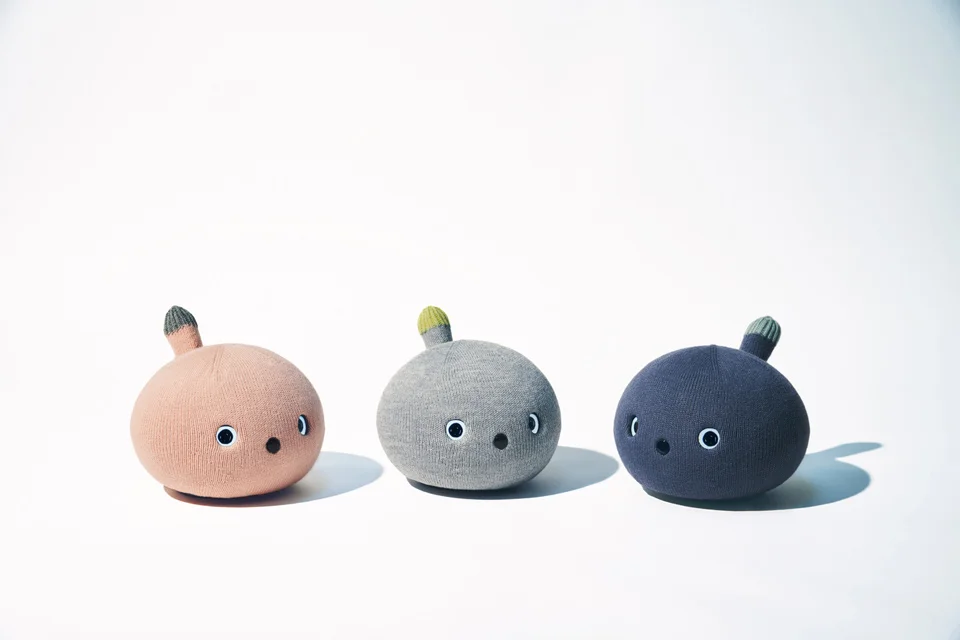
Panasonic Nicobo is a small, soft companion robot developed by Panasonic. It is designed as a “weak robot,” meaning it does not focus on performing tasks or providing practical assistance. Instead, its main purpose is to build emotional connections with users through simple interactions like talking, reacting, and expressing moods. Nicobo looks like a plush toy and behaves more like a pet or a baby, creating a sense of companionship.
Panasonic Nicobo is not a smart assistant or a functional robot—it is designed to feel like a living companion. Its value lies in emotional connection rather than practical utility, making it a unique innovation in the world of social robotics.
In recent years, companion robots have gained popularity as technology blends with emotional well-being. One of the most distinctive examples is Panasonic Nicobo, a soft, pet-like robot designed not to perform tasks but to create emotional connections. Unlike traditional smart devices, Nicobo focuses on companionship, comfort, and human interaction.
Panasonic Nicobo
Use of Panasonic Nicobo
Nicobo is mainly used for emotional and social interaction rather than productivity. Here are its key uses:
- Emotional companionship: Nicobo helps reduce loneliness by interacting with users through voice, movement, and reactions.
- Stress relief: Its cute design and playful behavior can improve mood and provide comfort.
- Social engagement: Nicobo encourages communication, especially for children or elderly users who may need companionship.
- Entertainment: Nicobo responds to touch, speaks simple words, and shows different moods, making it fun to interact with.
- Mental well-being support: Nicobo acts as a friendly presence that can positively influence emotional health.
Design and Appearance
Nicobo features:
- A soft, knitted body.
- Round shape with expressive digital eyes.
- A small wagging tail.
- Cute, baby-like voice.
Its design makes it feel more like a living creature than a machine, creating a strong emotional connection with users.
Features of Panasonic Nicobo
Nicobo may look simple, but it includes advanced technology:
- Voice recognition & interaction.
- Facial recognition via built-in camera.
- Touch sensors (it responds to hugs and petting).
- Light, temperature, and motion sensors.
- Wi-Fi connectivity for updates.
- Learning ability (vocabulary grows over time).
- Expressive movements (eyes, body, tail).
- Despite these features, it intentionally avoids being a “smart assistant” to maintain a natural relationship.
What Can Nicobo Do?
Nicobo is not designed for productivity—but for companionship:
- It reacts to your voice and touch.
- It recognizes faces and interacts emotionally.
- It moves, nods, and wags its tail.
- It speaks in simple, evolving language.
- It shows moods (sometimes ignores you!).
- It acts like a pet that needs care and attention.
- It provides emotional comfort and reduces loneliness
- It behaves like a mix between a pet, a baby, and a virtual friend.
Advantages of Panasonic Nicobo
- Emotional support – Nicobo helps reduce loneliness and stress.
- Cute and engaging design – It creates attachment easily.
- Low maintenance – No feeding or cleaning like real pets.
- Interactive learning – It evolves over time.
- Unique concept – It focuses on feelings rather than function.
Nicobo encourages users to care for it, which can improve mental well-being.
Disadvantages of Panasonic Nicobo
- Limited functionality – Nicobo cannot perform tasks or move independently.
- Not a full conversational AI.
- Battery life is relatively short (a few hours).
- It requires a subscription for full features.
- Limited language support (mainly Japanese).
- Some users may find it too simple if they expect a smart assistant.
Panasonic Nicobo Review
Nicobo is not a robot for everyone. If you want a device that cleans, organizes, or answers questions, this is not the right choice.
However, if you are looking for:
- Emotional companionship.
- A stress-relief gadget.
- A cute, interactive “pet.”
Then Nicobo is a truly unique and innovative experience.
FAQ about Panasonic Nicobo
1. Is Nicobo a smart assistant like Alexa?
No, Nicobo is not designed for productivity or commands—it focuses on emotional interaction.
2. Can Nicobo move around the house?
No, it cannot move independently, but can rotate and move slightly in place.
3. Does Nicobo understand language?
Yes, it recognizes voices and learns simple words over time, but its communication is limited.
4. Is Nicobo suitable for children?
Yes, it can be a fun and comforting companion for kids, but supervision is recommended.
5. Does Nicobo require internet?
Yes, Wi-Fi is needed for updates and some features.
6. Is there a monthly fee?
Yes, a subscription may be required for updates and maintenance services.
7. What makes Nicobo special?
Its “weak robot” concept—encouraging emotional bonding instead of performing tasks.
You can follow science online on YouTube from this link: Science online
Vector robot review, advantages, disadvantages and specifications
Emo robot review, advantages, disadvantages, features and What can Emo do?
Ameca robot review, features, advantages, disadvantages and What can Ameca Do?
Eilik Desktop Companion Robot structure, features, use, advantages and disadvantages
Humanoid robots use, types, risks, advantages and disadvantages
Sophia robot review, features, use, advantages and disadvantages
Tesla robots (Optimus) review, use, advantages and disadvantages