
AirPods Review 2026 – Features, Pros & Cons, FAQ, What AirPods Can Do, AirPods Pro vs AirPods
AirPods are Apple’s line of premium wireless Bluetooth earbuds, engineered to provide a frictionless audio experience. Known for their instant pairing and sleek aesthetic, they have become the benchmark for convenience in modern mobile technology, catering to everyone from casual listeners to professional audiophiles.
What are AirPods?
AirPods are Apple’s wireless Bluetooth earbuds/headphones designed to work seamlessly with iPhone, iPad, Mac, Apple Watch, and Apple TV. They’re known for instant pairing, smooth device switching, good sound quality, and tight integration with Apple features like Siri, Find My, and Spatial Audio (on supported models).
Since their debut in 2016, Apple AirPods have redefined the landscape of personal audio. More than just wireless earbuds, they represent a seamless blend of proprietary hardware and intuitive software, setting the gold standard for the ‘true wireless’ category through their iconic design and effortless integration into the Apple ecosystem.
Few tech accessories have achieved the status of a cultural icon as rapidly as AirPods. Originally met with skepticism for their cord-free design, these earbuds have transformed from a bold experiment into a global phenomenon, changing not only how we listen to music but also how we perceive the intersection of fashion and technology.
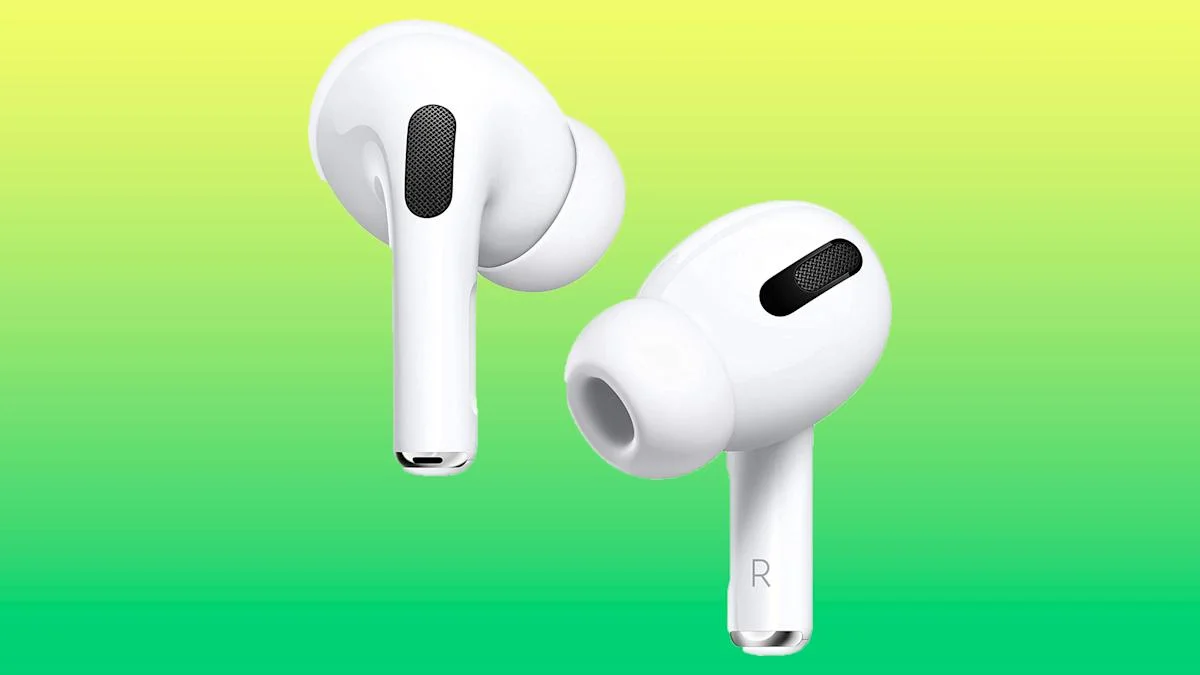
AirPods
Review (2026 snapshot)
AirPods remain a top pick for Apple users because the experience is frictionless: open the case → connect → enjoy. Sound quality has improved over generations, and AirPods Pro (2nd gen) offer excellent Active Noise Cancellation (ANC) and Transparency mode. Battery life is solid for daily use, and the charging case options (MagSafe/USB-C) are convenient. Downside: They’re pricier than many competitors, and advanced features shine best inside the Apple ecosystem.
AirPods are a line of wireless Bluetooth earbuds designed and marketed by Apple Inc. Since their debut in 2016, they’ve transitioned from being “the earbuds without wires” to a cultural staple, known for their seamless integration with the Apple ecosystem.
Features of AirPods
What sets AirPods apart from standard Bluetooth headphones is the proprietary hardware (like the H1 or H2 chips) that enables:
- Instant Pairing: They connect to your iPhone or Mac the moment you open the case.
- Automatic Switching: They can move audio between your Apple devices based on which one you’re using.
- Sensors: Most models feature “In-Ear Detection,” which pauses your music automatically when you take one out.
- Siri Integration: Hands-free access to Apple’s virtual assistant.
The Product Lineup
Apple has expanded the brand into three distinct categories:
- AirPods (Standard): Open-ear, The classic “stalk” design; lightweight and fits most ears without a silicone tip.
- AirPods Pro: In-ear, Features, silicone tips for a seal, Active Noise Cancellation (ANC), and Transparency mode.
- AirPods Max: Over-ear, High-fidelity headphones with a knit mesh headband and aluminum earcups.
Why they became a big deal
While they weren’t the first “true wireless” earbuds on the market, they popularized the category by solving common Bluetooth headaches (like dropped connections and difficult pairing). They also turned a tech accessory into a fashion statement, identifiable by their iconic white design.
Key Features (vary by model)
- One-tap pairing with Apple devices.
- Automatic device switching across iPhone/iPad/Mac.
- Active Noise Cancellation & Transparency (AirPods Pro).
- Spatial Audio with head tracking (AirPods 3/Pro/Max).
- Clear call quality with beamforming mics.
- Find My support (case + buds on newer models).
- MagSafe/USB-C charging cases (model dependent).
- Long battery life with quick top-ups from the case.
Advantages of AirPods
- Super easy setup & switching between Apple devices.
- Clean, balanced sound for calls, music, and video.
- Strong ANC on AirPods Pro.
- Comfortable for long listening sessions.
- Reliable build + wide accessory support (cases, tips).
Disadvantages of AirPods
- Higher price than many wireless earbuds.
- Best features are Apple-only (limited perks on Android).
- Battery degrades over the years (like all true wireless buds).
- No official “AirPods Mini” model (name causes confusion).
What can “AirPods Mini” do?
- Hands-free calling & Siri.
- Auto-connect to your iPhone/iPad/Mac.
- Listen to music, podcasts, and videos with low latency.
- Share Audio with another pair of AirPods.
- Find My to locate lost buds/case.
- Fast charging via the case.
- Spatial Audio (on AirPods 3rd gen).
What can AirPods do (use cases)
- Daily music & podcast listening.
- Calls/meetings with clear voice pickup.
- Watching videos with spatial sound immersion.
- Fitness & commuting (AirPods Pro with ANC/Transparency).
- Seamless switching across Apple devices.
FAQ about AirPods
Are AirPods good for Android users?
They work on Android via Bluetooth, but you’ll miss Apple-only features (instant pairing, device switching, Spatial Audio controls).
Do AirPods have noise cancellation?
Only AirPods Pro and AirPods Max offer Active Noise Cancellation. Regular AirPods don’t.
How long does the battery last?
About 4.5–6 hours per charge (model/ANC dependent), with 24–30+ hours including the case.
Can I use one AirPod at a time?
Yes—mono use is supported.
Are AirPods water-resistant?
AirPods 3rd gen and AirPods Pro have sweat/water resistance (IPX4) for workouts and light rain (not swimming).
Do AirPods support Spatial Audio?
Yes on AirPods 3rd gen, AirPods Pro (2nd gen), and AirPods Max with compatible Apple devices.
How do I find lost AirPods?
Use Find My in iOS. Newer cases support precision finding and sound alerts.
Is there an “AirPods Mini”?
No official model. People usually mean smaller AirPods or confuse them with HomePod mini.
Quick Comparison (at a glance)
- AirPods (2nd generation) do not have Active Noise Cancellation or Spatial Audio and are best for users who want simple, affordable Apple earbuds for everyday use.
- AirPods (3rd generation) do not include noise cancellation but support Spatial Audio and are ideal for users who want better sound and comfort without paying for Pro features.
- AirPods Pro (2nd generation) offer Active Noise Cancellation and Spatial Audio, making them the best choice for travel, commuting, and calls in noisy environments.
- AirPods Max provide premium over-ear sound quality with Active Noise Cancellation and Spatial Audio, and they are designed for users who want a high-end listening experience.
You can follow Science Online on YouTube from this link: Science online
Is Siri AI or a Robot?, How do you use Siri? And what can Siri do?
Apple Siri features, use, advantages, disadvantages and using Siri For Learning
Artificial intelligence (AI) definition, advantages, disadvantages, features & applications
Global Positioning System (GPS Tracking System) advantages and disadvantages
Global Navigation Satellite System (GNSS) types, uses and importance
Cloud computing storage services advantages and disadvantages
NFC (Near Field Communication) uses, advantages and disadvantages