Negative effects of global warming phenomenon & how to overcome it, How does global warming affect wildlife?
The global warming phenomenon is caused by the greenhouse effect, which is the continuous increase in the average temperature of the Earth’s near-surface air. The increase in the concentration of carbon dioxide gas leads to an increase in the temperature.
The temperature of the planet Earth has been increasing since 1935 due to the increase in greenhouse gases.
The most important greenhouse gases
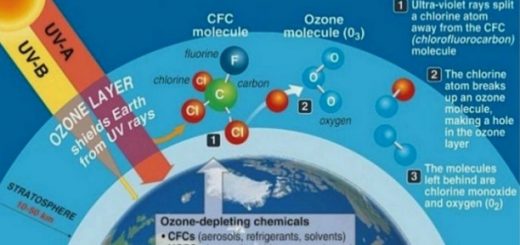
Carbon dioxide gas (The ratio of carbon dioxide gas increased in the atmosphere to 0.038 % in 2005 after it was 0.031 %), Methane gas, Water vapour, Nitrous oxide, and Chlorofluorocarbon compounds.
What are the reasons for the increasing carbon dioxide gas ratio in the atmosphere?
The increase in carbon dioxide gas is due to forest fires, fossil fuel burning, and the cutting of trees.
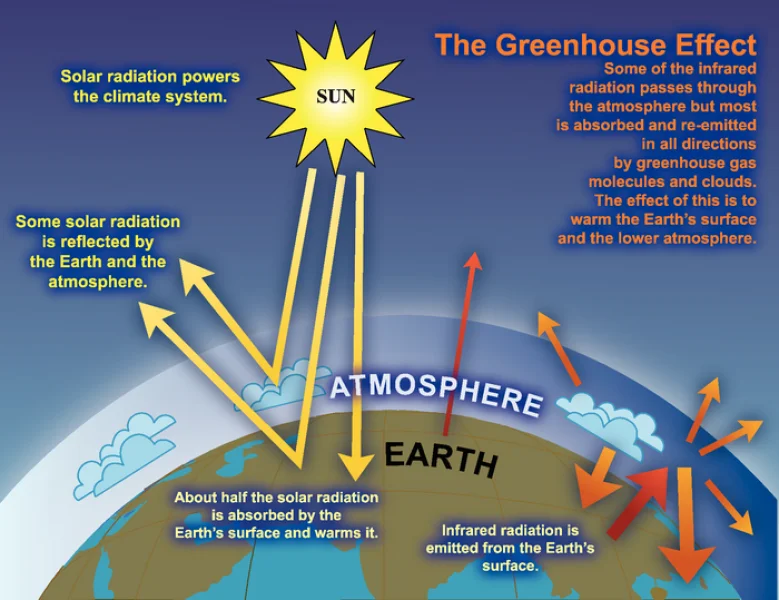
The increase in the ratio of greenhouse gases causes an increase in the planet Earth’s temperature
Greenhouse phenomenon
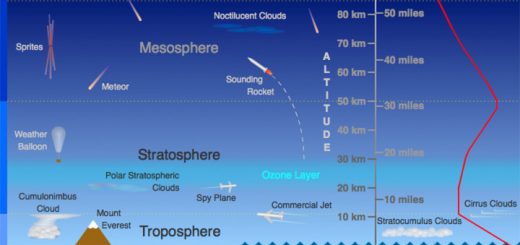
The greenhouse effect is the trapping of the infrared radiation in the troposphere layer due to the increase in the ratio of greenhouse gases, which causes an increase in the planet Earth’s temperature.
When the concentration of greenhouse gases increases in the atmosphere, the atmosphere plays the role of the glass in the greenhouse, where it permits the visible light and the short-wave rays produced by the Sun to pass.
The Earth and its components absorb these rays and re-emit the radiation back in the form of infrared radiation, which can not penetrate the atmosphere as it has a long wavelength.
So, It is kept trapped in the troposphere layer, causing the rise of the planet Earth’s temperature.
Global warming’s negative effects
The most dangerous consequence of global warming is the melting of the snow at the two poles, which increases the sea level in the seas and the oceans. It threatens the coastal areas as they could drown, and causes the extinction of some polar animals like the polar bear and the seals.
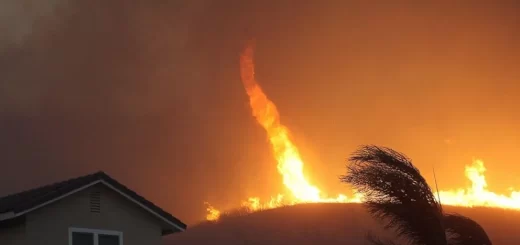
Global warming causes severe climate changes, such as the repeated occurrence of tropical hurricanes, such as Hurricane Katrina in 2005, the repeated occurrence of forest fires, drought waves, and destructive floods.
How to overcome global warming
The bad, destructive effects of global warming led the representatives of 160 nations in Kyoto, Japan, in 1997 to sign a protocol called Kyoto Protocol, which suggests reducing the ratio of bad emissions by cutting down the consumption of fossil fuels and searching for environmentally friendly alternative energy resources.
FAQ about the Negative Effects of Global Warming
1. What is global warming?
Global warming is the gradual increase in Earth’s average temperature caused mainly by the buildup of greenhouse gases such as carbon dioxide and methane in the atmosphere.
2. What are the main causes of global warming?
The main causes include:
- Burning fossil fuels (coal, oil, and natural gas).
- Deforestation.
- Industrial activities and pollution.
- Transportation emissions.
- Agricultural practices that release methane.
3. What are the negative effects of global warming?
Global warming can lead to:
- Rising global temperatures.
- Melting ice caps and glaciers.
- Rising sea levels.
- Increased droughts and floods.
- More frequent extreme weather events, such as storms and heat waves.
4. How does global warming affect sea levels?
As temperatures rise, glaciers and polar ice melt, and ocean water expands due to heat. This causes sea levels to rise, which can flood coastal areas and islands.
5. How does global warming affect agriculture?
Global warming can cause irregular rainfall, droughts, and extreme temperatures, which may reduce crop production and threaten food security.
6. What are the health impacts of global warming?
Global warming can increase:
- Heat-related illnesses.
- Spread of infectious diseases.
- Respiratory problems caused by air pollution.
- Food and water shortages.
7. How does global warming affect wildlife?
Many species lose their natural habitats due to rising temperatures, melting ice, and changing ecosystems, which can lead to the extinction of some animals and plants.
8. What is the role of greenhouse gases in global warming?
Greenhouse gases trap heat in the atmosphere through a process known as the Greenhouse Effect, which increases Earth’s temperature.
9. How can we reduce global warming?
We can reduce global warming by:
- Using renewable energy sources such as solar and wind energy.
- Reducing fossil fuel consumption.
- Protecting forests and planting more trees.
- Promoting energy efficiency.
10. What actions can individuals take to help fight global warming?
Individuals can:
- Save electricity and water.
- Use public transportation or bicycles.
- Reduce waste and recycle materials.
- Support environmentally friendly products.
11. What role do governments play in addressing global warming?
Governments can create environmental laws, promote clean energy, reduce carbon emissions, and participate in international climate agreements.
12. Why is it important to address global warming now?
Taking action now helps protect ecosystems, prevent severe climate damage, and ensure a sustainable future for future generations.
Global warming is one of the most serious environmental challenges facing the world today. It causes rising temperatures, extreme weather, and environmental damage. By reducing greenhouse gas emissions, protecting forests, and using clean energy, humanity can slow down global warming and protect the planet.
You can subscribe to Science Online on YouTube from this link: Science Online
Erosion of Ozone layer, Global warming phenomenon and the greenhouse effect
Earthquakes and safety precautions must be taken at the occurrence of earthquakes
The volcanoes and the safety precautions must be taken at the occurrence of the volcanoes