Softer Humanoid Robot for Home review, advantages and disadvantages
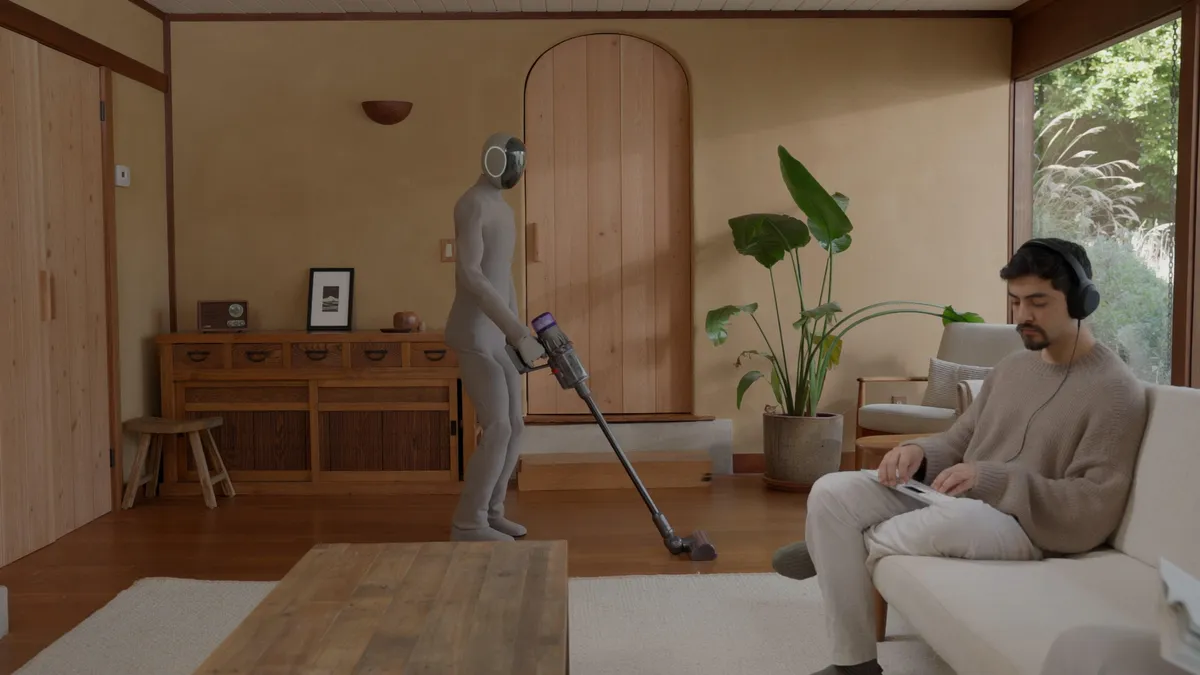
A softer humanoid robot for home is a robot designed to resemble the human form (head, torso, arms, legs) but built with soft, compliant materials and safe robotics technology that make it gentle, flexible, and secure around people — especially children, elderly individuals, and pets.
What Is a Softer Humanoid Robot for Home?
A Softer Humanoid Robot for Home is a human-shaped domestic robot designed with soft, flexible, and compliant materials that allow it to interact safely, gently, and naturally with people in a home environment. Unlike traditional rigid robots, it uses soft robotics technology—such as elastic joints, padded surfaces, and force-sensing systems—to reduce the risk of injury and improve comfort during human-robot interaction.
These robots are powered by artificial intelligence (AI) and equipped with sensors, cameras, microphones, and voice recognition, enabling them to communicate, assist with daily tasks, provide companionship, and integrate with smart home systems. They are suitable for families, elderly users, and children, where safety, emotional comfort, and ease of interaction are essential.
A softer humanoid robot for home is a safe, gentle, human-like smart assistant designed to help, communicate, and coexist with people inside their homes. Unlike rigid industrial robots made of metal and hard plastic, these robots use soft robotics principles (elastic materials, flexible actuators, safe sensors) so they interact with people naturally and with minimal risk of injury. They are designed to assist with daily household tasks, social interaction, companionship, monitoring, and smart home integration.
Softer Humanoid Robot for Home
Features of Softer Humanoid Robots for Home
1. Soft, Safe Physical Design:
- A softer humanoid robot uses flexible materials like silicone, soft polymers, and compliant actuators.
- Joints and limbs move fluidly and gently.
- A softer humanoid robot reduces the risk of impact injury compared to traditional hard-bodied robots.
2. Human-Like Shape and Movements:
- Generally humanoid: head, chest, arms, legs.
- Smooth, organic motion for natural interaction.
- A softer humanoid robot may use soft actuators that mimic muscles.
3. Intelligent Sensing:
- Cameras, microphones, and depth sensors to understand the environment.
- Touch sensors make them responsive to physical contact.
- Voice recognition and facial recognition.
4. AI-Driven Interaction:
- Natural language processing for conversation.
- Emotional cues detection (voice tone, facial expression).
- Ability to learn routines and preferences.
5. Connectivity & Smart Home Integration:
- A softer humanoid robot connects with Wi-Fi, Bluetooth, and smart assistants (e.g., Alexa, Google Home).
- A softer humanoid robot can control lights, thermostats, alarms, and locks.
6. Modular & Customizable:
- Accessories or tools (e.g., carry tray, cleaning module).
- App control for personalization.
What Can a Softer Humanoid Robot Do at Home?
- Daily Assistance Tasks: A Softer Humanoid Robot can fetch and carry lightweight objects like keys, phone, and remote. It can remind you about appointments, medication, and routines. It can help with simple chores (e.g., sorting items, fetching laundry).
- Health & Safety Monitoring: A Softer Humanoid Robot can monitor vital signs if equipped with sensors. It can detect falls or unusual inactivity. It can alert emergency contacts or services.
- Communication & Alerts: A Softer Humanoid Robot can make calls or send messages via voice command. It can notify about packages, visitors, and deliveries.
- Companionship & Social Interaction: A Softer Humanoid Robot can converse with users politely and naturally. It can provide cognitive games and mental stimulation. It can offer emotional comfort, especially for elderly or isolated users.
- Educational Support: A Softer Humanoid Robot can help children with homework assistance. It can teach languages or basic coding/games.
- Entertainment & Media: A Softer Humanoid Robot can play music, dance, and tell stories. It can project content or interact with TV/media services.
Advantages of Softer Humanoid Home Robots
- Safety Around Humans: Soft materials and compliant motion help avoid injury — vital for kids, elders, and pets.
- Natural Interaction: A Softer Humanoid Robot looks and behaves in a familiar, human-like way, improving emotional engagement.
- Emotional & Social Support: A Softer Humanoid Robot can reduce loneliness and aid mental well-being for people living alone.
- Daily Routine Assistance: A Softer Humanoid Robot supports reminders, scheduling, and household organization.
- Smart Home Integration: A Softer Humanoid Robot acts as a central AI hub for connected devices.
Disadvantages of Softer Humanoid Robot
- Cost: Advanced soft robotics and AI make them expensive compared to simple home assistants.
- Limited Physical Strength: Soft materials limit heavy lifting or force-intensive tasks (e.g., moving furniture).
- Dependency on AI Accuracy: Speech recognition and context understanding can still misinterpret commands.
- Privacy Concerns: Constant sensors and cameras raise privacy/security worries if not well-protected.
- Maintenance: Soft actuators and materials may wear faster than rigid parts, requiring maintenance.
- Ethical & Psychological Issues: Some users may feel too dependent on robots for social or emotional needs.
Soft humanoid robots are evolving fast. In the coming years, they may be able to:
- Help with more advanced care for the elderly.
- Provide therapy support.
- Learn personal habits deeply.
- Integrate with autonomous delivery and healthcare systems.
A softer humanoid robot for home is a gentle, human-like, AI-enhanced assistant designed to safely interact with people and help with daily life. Its features include soft materials, advanced sensors, AI intelligence, and smart home integration. They offer advantages in safety, companionship, and assistance — but also face limitations like cost, privacy concerns, and physical strength restrictions.
You can follow Science online on YouTube from this link: Science online
Miko Robot Features, importance, and drawbacks, Miko 2 vs Miko 3
Miko review, types, features advantages and disadvantages
Miko 2 vs Miko 3, Difference between Miko 2 and Miko 3
Loona robot review, advantages, disadvantages and what can Loona do?
Sophia robot review, features, use, advantages and disadvantages
Educational robotics, Robot teachers, Social robots review, features advantages & drawbacks
Humanoid robots use, risks, advantages and disadvantages