Taiwan’s AI Powered Humanoid Robots Arrive to Turn Smart Factory Lights Off!
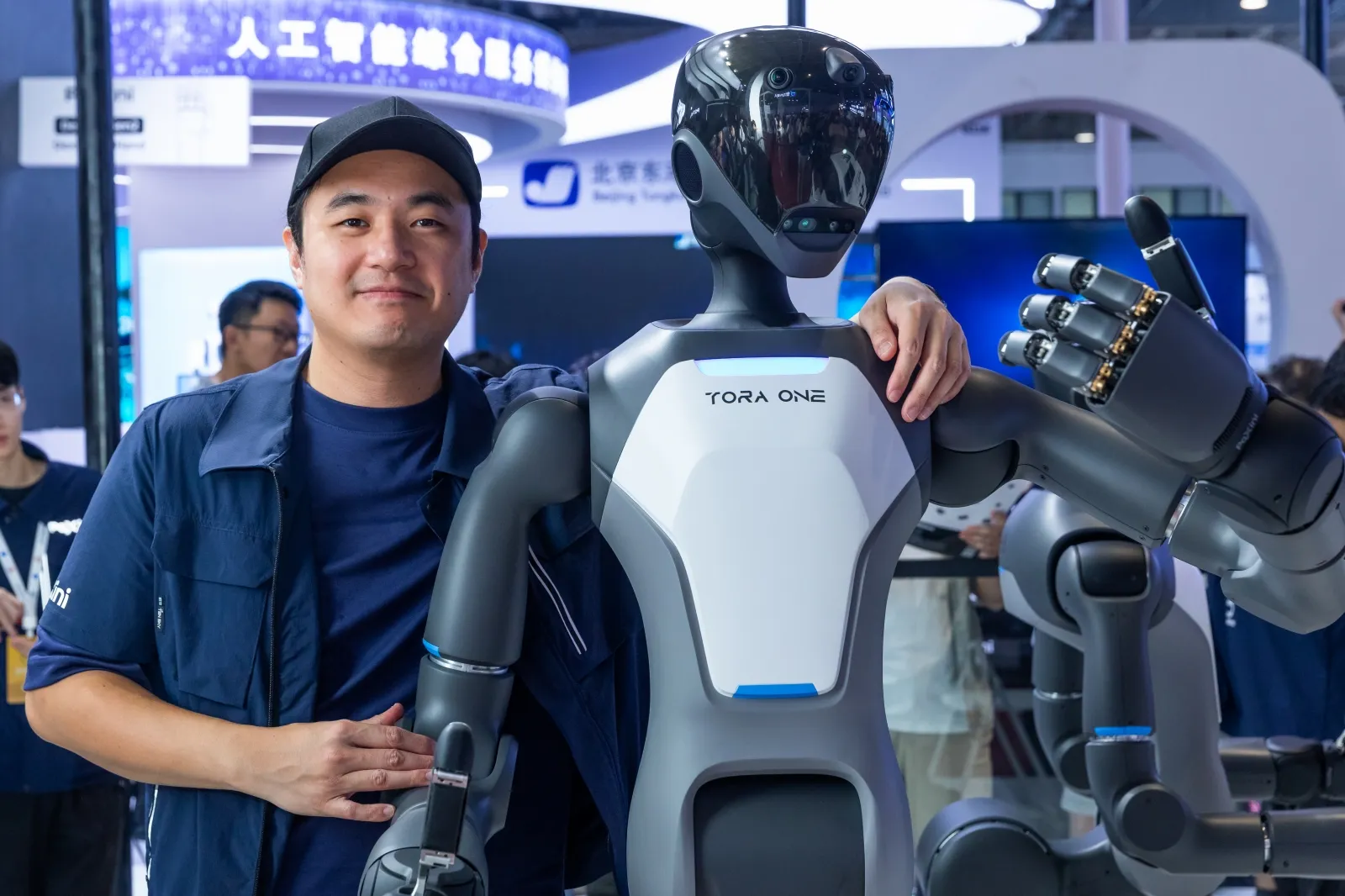
A Taiwan robot refers to any robot that is designed, developed, or manufactured in Taiwan, a country known for its advanced technology industry and strong robotics research. Taiwan robots are used in various fields such as manufacturing, healthcare, education, logistics, and service industries.
Taiwan robot
Taiwan’s robotics sector integrates artificial intelligence (AI), automation, and precision engineering, supported by institutions like the Industrial Technology Research Institute (ITRI) and National Taiwan University. Taiwan robots can think, learn, assist, and automate — they’re built to enhance human work, education, and daily life through smart, adaptable technology.
Examples:
- Techman Robot – collaborative industrial robots (cobots) for assembly lines.
- ASUS Zenbo – a home assistant and educational robot.
- NUWA Robotics – social and educational robots like “Kebbi Air.”
Taiwan robot
Taiwan Robot Features
- High Precision and Reliability: Taiwan robots are built with Taiwan’s advanced electronics and mechanical engineering standards, ensuring accurate and consistent performance.
- Artificial Intelligence (AI) Integration: Many Taiwanese robots use AI for object recognition, speech understanding, and adaptive learning.
- Collaborative Design (Cobots): Taiwan robots are designed to safely work alongside humans in factories, offices, or homes with sensors that detect human presence and avoid collisions.
- User-Friendly Interfaces: Taiwan robots are equipped with touchscreens, voice controls, or app-based management for easy operation.
- Cost-Effective Manufacturing: Taiwan’s efficient production systems make these robots competitively priced compared to Japanese or European models.
- IoT and Connectivity – Support for Wi-Fi, Bluetooth, and cloud connection for real-time data monitoring and control.
- Compact and Ergonomic Design: Many models are lightweight and space-efficient, suitable for homes, schools, and small businesses.
- Energy Efficiency: Optimized hardware and software reduce energy consumption and operating costs.
- Customizability: Modular designs allow easy upgrades and integration with different tools or accessories.
- Wide Application Range: Taiwan robots are used in education, manufacturing, healthcare, logistics, and customer service.
What can Taiwan robot do?
Taiwan robots are designed to perform a wide range of industrial, service, and educational tasks, combining automation, AI, and smart technology.
- Industrial Applications: Taiwan robots can assemble parts on production lines with high precision. They can inspect products using cameras and sensors for quality control. They can handle materials such as picking, placing, and packaging items. They can collaborate safely with human workers in factories (as cobots). They can automate repetitive tasks to improve efficiency and reduce labor costs. Example: Techman Robot is a collaborative robot used in electronics factories like those of Apple suppliers.
- Educational and Research Purposes: Taiwan robots can teach coding and robotics to students. They can demonstrate AI and engineering principles in schools and universities. They can simulate real-world problem-solving in robotics competitions. Example: NUWA Kebbi Air is an educational robot that helps children learn languages, coding, and STEM topics.
- Healthcare and Service Roles: Taiwan robots can assist elderly or disabled people with reminders, communication, or movement. They can deliver medicine or meals to hospitals. They can provide companionship through conversation and emotional interaction. Example: ASUS Zenbo is a home-assistant robot that interacts with users, plays music, and reminds them of tasks or medications.
- Domestic and Commercial Services: Taiwan robots can perform cleaning tasks such as vacuuming or floor mopping. They can serve customers in restaurants or hotels. They can provide information or entertainment in public spaces or shops.
- Logistics and Delivery: Taiwan robots can transport goods in warehouses or offices. They can navigate autonomously using sensors and mapping systems. They can optimize delivery routes for speed and safety.
Taiwan Robot Advantages
- High Quality and Precision: Taiwanese robots are built with advanced engineering, ensuring accurate and reliable performance.
- Affordable Cost: Taiwan robots are generally cheaper than robots from Japan, Europe, or the U.S., while maintaining good quality.
- Strong AI and IoT Integration – Many models use artificial intelligence and Internet of Things (IoT) technologies for smart automation and data connectivity.
- User-Friendly Operation: Simple interfaces make setup and use easy for both professionals and beginners.
- Flexibility and Customization: Modular designs allow users to adapt the robot for different tasks or industries.
- Energy Efficiency: Taiwan robots are designed to consume less power, lowering operating costs.
- Support and Innovation: Taiwan’s strong tech ecosystem (e.g., ITRI, NTU, Techman, NUWA) provides continuous innovation and technical support.
Disadvantages of Taiwan robots
- Limited Global Brand Recognition: Compared to Japanese or American robotics companies, some Taiwanese brands are less known internationally.
- Smaller Market Share: Fewer large-scale exports and partnerships compared to major robotics hubs like Japan or Germany.
- Dependence on Imported Components: Some parts, such as high-end sensors or chips, may still rely on imports.
- Limited After-Sales Service Abroad: Technical support may be harder to access outside Taiwan or Asia.
- Less Specialized Robots: While versatile, some Taiwanese robots may not yet match the specialization of advanced models from global leaders.
You can subscribe to Science Online on YouTube from this link: Science Online
Kebbi Air S review, advantages, disadvantages, features
Asus Zenbo robot review, use, advantages and disadvantages
Techman (TM) collaborative robots features, TM Robot, Cobot with a Built-in Vision System
Scara robot advantages and disadvantages and What is the structure of the SCARA robot?
Serial Robots review, advantages, disadvantages and what can serial robots do?
Collaborative robot arm (cobot robots) applications, uses, advantages and disadvantages
Automation in manufacturing uses, advantages and disadvantages
Industrial robot (Auto industry) uses, advantages and disadvantages
Robot welding advantages over manual welding