Solar System for Home: 10 Amazing Advantages and Disadvantages
A solar system for home is an excellent way to generate clean electricity, reduce dependence on traditional power sources, and potentially lower monthly electricity bills. By converting sunlight into usable energy, residential solar panels can power household appliances, lighting, air conditioners, and electronic devices.
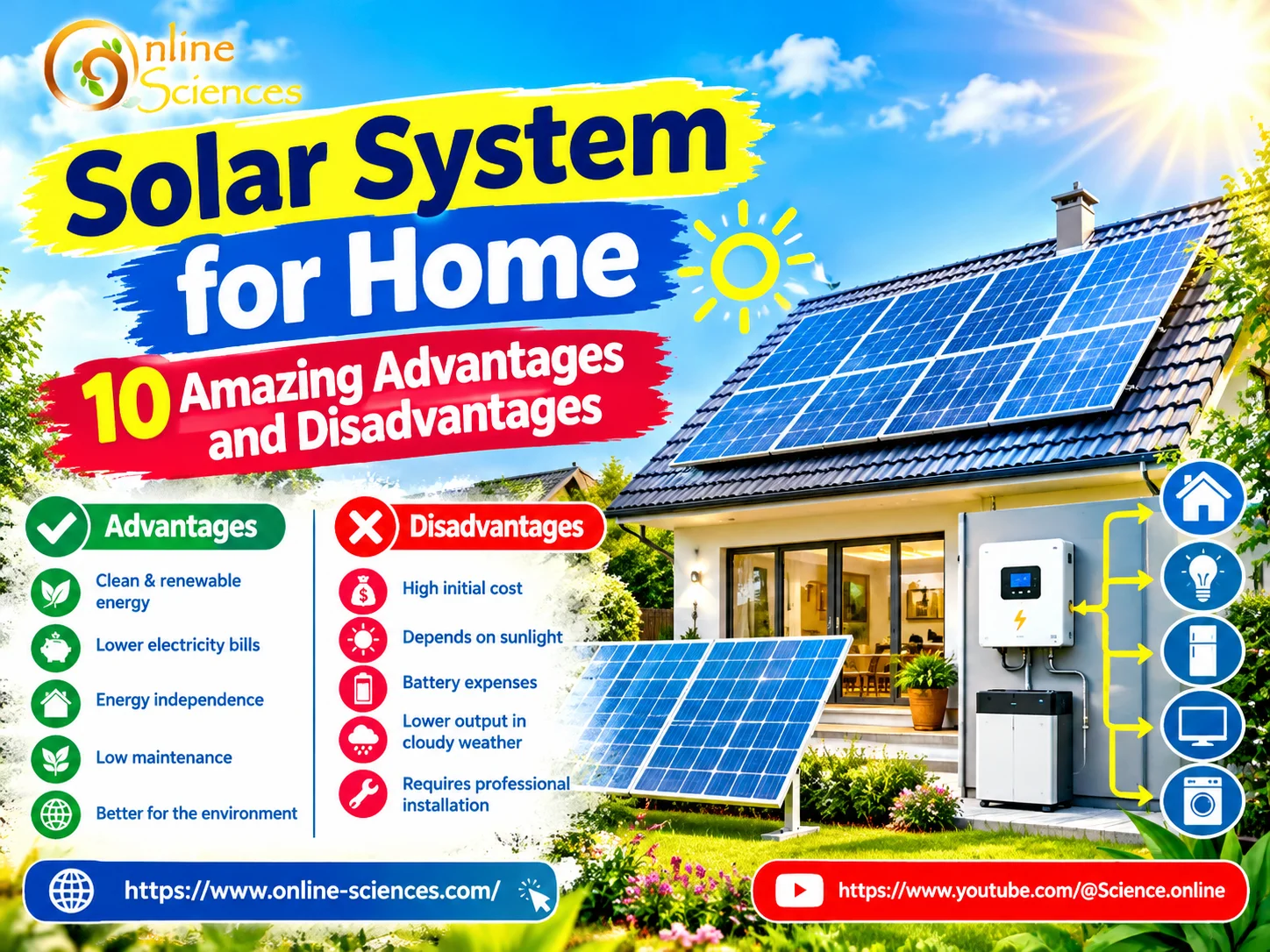
Solar System for Home
Solar System for Home
A solar system for home uses solar panels to convert sunlight into electricity for household appliances, lighting, and other daily needs. It helps reduce electricity bills, provides clean and renewable energy, and decreases dependence on the traditional power grid. However, the initial installation cost, weather conditions, and battery expenses are important factors to consider before investing in a home solar energy system.
However, solar energy also has disadvantages, including installation costs, weather dependence, and battery expenses. Understanding the advantages and disadvantages of a home solar system helps homeowners decide whether this renewable energy solution is suitable for their needs and budget.
Home Solar Panels
Home Solar Panels are devices that convert sunlight into electricity to power household appliances, lighting, air conditioners, and electronic devices. They help homeowners reduce electricity bills, use clean and renewable energy, and decrease their dependence on traditional power sources.
Home solar panels are generally durable and require relatively little maintenance, making them a practical long-term energy solution. However, their efficiency depends on sunlight availability, roof space, and installation quality, while adding battery storage can increase the initial cost.
What is a Solar System for Home?
A solar system for home is an electricity-generation system that uses sunlight to produce power for everyday household activities. It typically consists of solar panels, an inverter, electrical protection equipment, mounting structures, and optional battery storage.
Solar panels contain photovoltaic (PV) cells that convert sunlight into direct current (DC) electricity. An inverter converts this electricity into alternating current (AC), which most household appliances use. Depending on the design, a home solar system can operate while connected to the electricity grid, work independently using batteries, or combine solar panels, batteries, and grid electricity.
There are three common types of residential solar systems:
- Grid-tied solar system: Connects to the electricity grid and can reduce the amount of electricity purchased from the utility.
- Off-grid solar system: Operates independently of the grid and generally requires sufficient battery storage and backup power.
- Hybrid solar system: Combines solar panels, grid electricity, and batteries to provide greater flexibility.
Choosing the right type depends on electricity consumption, local regulations, available sunlight, and the reliability of the existing power supply.
10 Advantages of a Solar System for Home
1. Lower Electricity Bills
One of the biggest advantages of installing a solar system for home is the potential to reduce electricity bills. Solar panels generate electricity during daylight hours, allowing households to use their own power instead of purchasing all their electricity from the grid.
The savings depend on system size, sunlight availability, household consumption, electricity prices, and how much solar electricity is used directly. Homes that operate energy-intensive appliances during sunny hours may benefit particularly from generating their own electricity.
2. Clean and Renewable Energy
Solar energy is renewable because sunlight is naturally replenished. Unlike electricity generated from fossil fuels, solar power produces no direct greenhouse gas emissions during operation. Using solar panels can reduce a household’s carbon footprint and contribute to a cleaner energy system.
Although manufacturing, transporting, and disposing of solar equipment require resources, solar power generally offers environmental benefits over its operating lifetime.
3. Reduced Dependence on the Electricity Grid
A home solar system allows homeowners to generate part of their electricity independently. This can reduce exposure to electricity price increases and dependence on conventional power supplies.
A hybrid system with battery storage can provide additional flexibility by storing surplus daytime electricity for use at night. However, ordinary grid-tied solar systems usually shut down during a grid outage for safety unless they have suitable backup equipment.
4. Potential Backup Power During Outages
A solar system equipped with compatible batteries and backup circuitry can keep selected household appliances running during electricity interruptions. Depending on its capacity, it may power lights, routers, refrigerators, fans, and other essential equipment.
The available backup time depends on battery capacity, electricity consumption, solar production, and system design. Large appliances such as air conditioners can drain batteries quickly.
5. Low Operating and Maintenance Costs
Solar panels generally require relatively little maintenance because they have no moving parts. Routine inspections, checking electrical connections, monitoring system performance, and cleaning panels when necessary can help maintain efficiency.
Dust, bird droppings, and accumulated dirt may reduce electricity production, particularly in dry or dusty environments. Inverters and batteries may require replacement during the system’s lifetime, so homeowners should consider these potential expenses when calculating long-term savings.
6. Long Service Life
Many modern solar panels are designed to operate for approximately 25–30 years or longer, although their electricity output gradually decreases over time. Manufacturers commonly offer performance warranties covering a specified period. The actual lifespan depends on product quality, installation, weather conditions, and maintenance.
A long operating life can make solar energy a worthwhile investment when the installation cost and expected electricity savings are carefully evaluated.
7. Improved Energy Management
Solar energy systems with monitoring applications allow homeowners to track electricity production, household consumption, battery charging, and grid electricity use. This information can help families identify energy waste and adjust their routines. For example, running washing machines or other suitable appliances during peak solar production can increase the amount of self-generated electricity they use.
8. Possible Increase in Property Appeal
A properly installed solar system may make a home more attractive to buyers who value energy efficiency and lower electricity expenses. However, the effect on property value varies by location, system ownership, electricity prices, installation quality, and local demand. An increase in resale value is not guaranteed.
9. Useful for Remote Locations
Solar energy can be particularly beneficial for rural properties, farms, cabins, and homes in areas with unreliable grid access. An appropriately designed off-grid system can provide electricity for lighting, communication equipment, water pumps, and other essential appliances.
Such installations require careful planning because the system must generate enough electricity during periods of weak sunlight and store sufficient energy for nighttime use.
10. Supports Sustainable Living
Installing solar panels is a practical way to adopt renewable energy at home. When combined with energy-efficient appliances, LED lighting, insulation, and sensible electricity use, solar power can contribute to a more sustainable household. It also helps increase awareness of energy consumption and encourages families to make informed decisions about their environmental impact.
10 Disadvantages of a Solar System for Home
1. High Initial Installation Cost
The initial cost is one of the main disadvantages of residential solar energy. Homeowners must pay for panels, inverters, mounting structures, wiring, protection equipment, and professional installation.
Adding batteries increases the cost significantly. The total investment depends on system capacity, equipment quality, installation complexity, and local market prices. Although electricity savings can offset part of the initial expense, the payback period varies considerably between households.
2. Dependence on Sunlight
Solar panels generate the most electricity when sunlight is strong and direct. Cloudy weather, dust, shading, and seasonal changes can reduce their output. Solar panels also stop producing meaningful electricity at night, meaning households need grid electricity, battery storage, or another backup source to meet nighttime demand.
3. Battery Storage Can Be Expensive
Batteries allow homeowners to store surplus electricity for later use, but they add substantial costs to the system. Batteries have limited storage capacity and gradually lose performance with use and age. Their eventual replacement must be included in long-term financial planning.
A grid-connected home may not need batteries if its electricity arrangement allows it to obtain power from the grid when solar production is insufficient.
4. Roof Space and Suitability
Solar panels need a suitable installation area that receives adequate sunlight. Small roofs, complicated roof designs, nearby buildings, trees, and surrounding structures can limit the number of panels that can be installed.
Roof condition is also important. Repairing or replacing an unsuitable roof before installation can increase the overall cost. Homeowners should obtain a professional assessment before purchasing equipment.
5. Energy Production Is Variable
Solar electricity production changes throughout the day and across seasons. Short winter days, cloudy periods, dust storms, and shading can reduce the amount of available power.
An undersized system may not meet household needs, while an oversized system may cost more than necessary. Accurate sizing should consider electricity bills, peak appliance demand, local solar conditions, and expected future consumption.
6. Inverter and Battery Replacement
Solar panels may last for decades, but other system components can have shorter service lives. Inverters can eventually fail or require replacement, and batteries degrade through normal use. Repair and replacement costs can affect the total financial return of a solar installation.
7. Installation Requires Qualified Professionals
Poor installation can cause electrical faults, roof leaks, equipment damage, or reduced energy production. Solar systems must be correctly designed, grounded, protected, and connected according to applicable electrical standards.
Battery installations also require appropriate ventilation, temperature management, and safety precautions based on the battery technology. Choosing experienced, qualified installers helps reduce these risks.
8. Weather and Environmental Damage
Hail, strong winds, falling branches, extreme temperatures, and other environmental conditions can damage solar equipment. Quality mounting systems and suitable equipment can improve durability, but no installation is completely immune to severe weather. Homeowners should review product warranties and insurance coverage before installation.
9. Payback Period May Be Long
Solar systems require an upfront investment, while savings accumulate gradually over time. The payback period depends on installation costs, electricity tariffs, system performance, maintenance, financing, and any applicable export compensation.
A home with low electricity consumption or limited sunlight may take longer to recover its investment than a home with high daytime electricity demand.
10. Recycling and Disposal Challenges
Solar panels, inverters, and batteries eventually reach the end of their useful lives. Recycling infrastructure and disposal options vary by location. Batteries, in particular, must be handled through appropriate collection and recycling systems. Responsible disposal helps reduce environmental risks and recover useful materials.
Solar System for Home: Advantages and Disadvantages Comparison
A solar system for home offers several advantages and disadvantages compared with traditional electricity sources. Its main advantages include lower electricity bills, clean and renewable energy, reduced dependence on the power grid, low maintenance requirements, and the possibility of backup electricity when batteries are installed.
However, the disadvantages include high initial installation costs, dependence on sunlight, reduced energy production during cloudy weather, and additional expenses for battery storage and equipment replacement. Overall, a home solar system can be a cost-effective and environmentally friendly solution for households with sufficient sunlight, suitable roof space, and electricity needs that match solar power production.
How Much Does a Solar System for Home Cost?
The price of a home solar system varies by country, system capacity, equipment brand, installation requirements, and whether battery storage is included. A small system designed for essential appliances generally costs less than a system capable of powering an entire home, particularly if the household uses air conditioners, electric water heaters, or other energy-intensive devices.
Before requesting a quotation, review your electricity bills and identify your average daily consumption. Ask installers to provide separate prices for panels, inverter, batteries, installation, warranties, and maintenance. Compare the estimated annual electricity production with your actual energy needs rather than choosing a system based only on its advertised capacity.
Is a Solar System for Home Worth It?
A solar system for home can be a worthwhile investment for households with adequate sunlight, suitable roof space, and electricity consumption that matches solar production.
It may be particularly attractive when electricity prices are high, the household uses considerable electricity during daylight hours, or reliable backup power is important.
However, it may be less economical for homes with heavy shading, very low electricity consumption, expensive installation requirements, or limited access to repairs and replacement components.
The best approach is to compare the total installation cost with realistic long-term savings. Consider the system’s expected performance, maintenance, equipment replacement, and local electricity policies before making a decision.
Conclusion
A solar system for home offers several important benefits, including lower electricity bills, clean energy generation, reduced grid dependence, and the possibility of backup electricity with suitable batteries. Its main disadvantages are the initial investment, variable sunlight, battery costs, and the need for proper installation and maintenance.
Ultimately, the right solar system depends on your household’s electricity needs, budget, location, and expectations. Comparing several professional quotations and calculating realistic long-term savings can help you decide whether solar energy is the right choice for your home.
Frequently Asked Questions (FAQ)
1. What are the main advantages of a solar system for home?
The main advantages are reduced electricity bills, renewable energy generation, lower operating emissions, limited routine maintenance, and the possibility of backup power when compatible batteries are installed.
2. What are the disadvantages of installing solar panels at home?
The main disadvantages include high initial costs, dependence on sunlight, variable energy production, battery expenses, equipment replacement, and the need for a suitable installation area.
3. Can a solar system power an entire house?
Yes. A properly sized system can supply much or all of a home’s electricity over suitable periods. However, meeting demand at night or during cloudy weather may require grid electricity, batteries, or a backup generator.
4. Do home solar panels work at night?
Solar panels do not generate meaningful electricity at night. A home can use electricity stored in batteries or obtain electricity from the grid if it remains connected.
5. Is a battery necessary for a home solar system?
No. A grid-tied system can operate without batteries and may be more affordable. Batteries are useful for storing surplus electricity and providing backup power when the system is designed to support it.
6. How long do residential solar panels last?
Many solar panels are designed to operate for approximately 25–30 years or longer. Their output gradually declines, and actual performance depends on product quality, installation, and environmental conditions.
7. Do solar panels work on cloudy days?
Yes. Solar panels can generate electricity under cloudy conditions, but production is generally lower than under strong direct sunlight. The amount depends on cloud density, panel technology, and weather conditions.
8. Does a solar system eliminate electricity bills?
Not necessarily. A solar system may substantially reduce electricity bills, but fixed charges, nighttime consumption, insufficient production, and local billing rules can leave some costs.
9. Is solar energy suitable for homes in Egypt?
Solar energy can be suitable for many homes in Egypt because much of the country receives abundant sunshine. However, dust, roof suitability, equipment prices, installation quality, and local grid-connection arrangements must be considered.
10. How can I choose the best solar system for my home?
Start by reviewing electricity bills, estimating daily consumption, assessing available roof space, and deciding whether battery backup is necessary. Then compare professional quotations, warranties, estimated energy production, and long-term costs.
You can subscribe to Science Online on YouTube from this link: Science Online
🔥 Solar System for Home: 10 Amazing Benefits and Drawbacks 🤯
🔥 Solar Water Heaters 2026: How Solar Technology Is Changing Home Heating
Solar Water Heaters Review 2026: The Smart, Eco-Friendly Way to Cut Energy Bills
Solar panels in lakes, where not to put solar panels?, Can a solar panel work underwater?
The importance and uses of solar cells (photovoltaic cells)