iHub Robotics: AI Humanoid Robots, Intelligent Automation & Future Applications (2026 Guide)
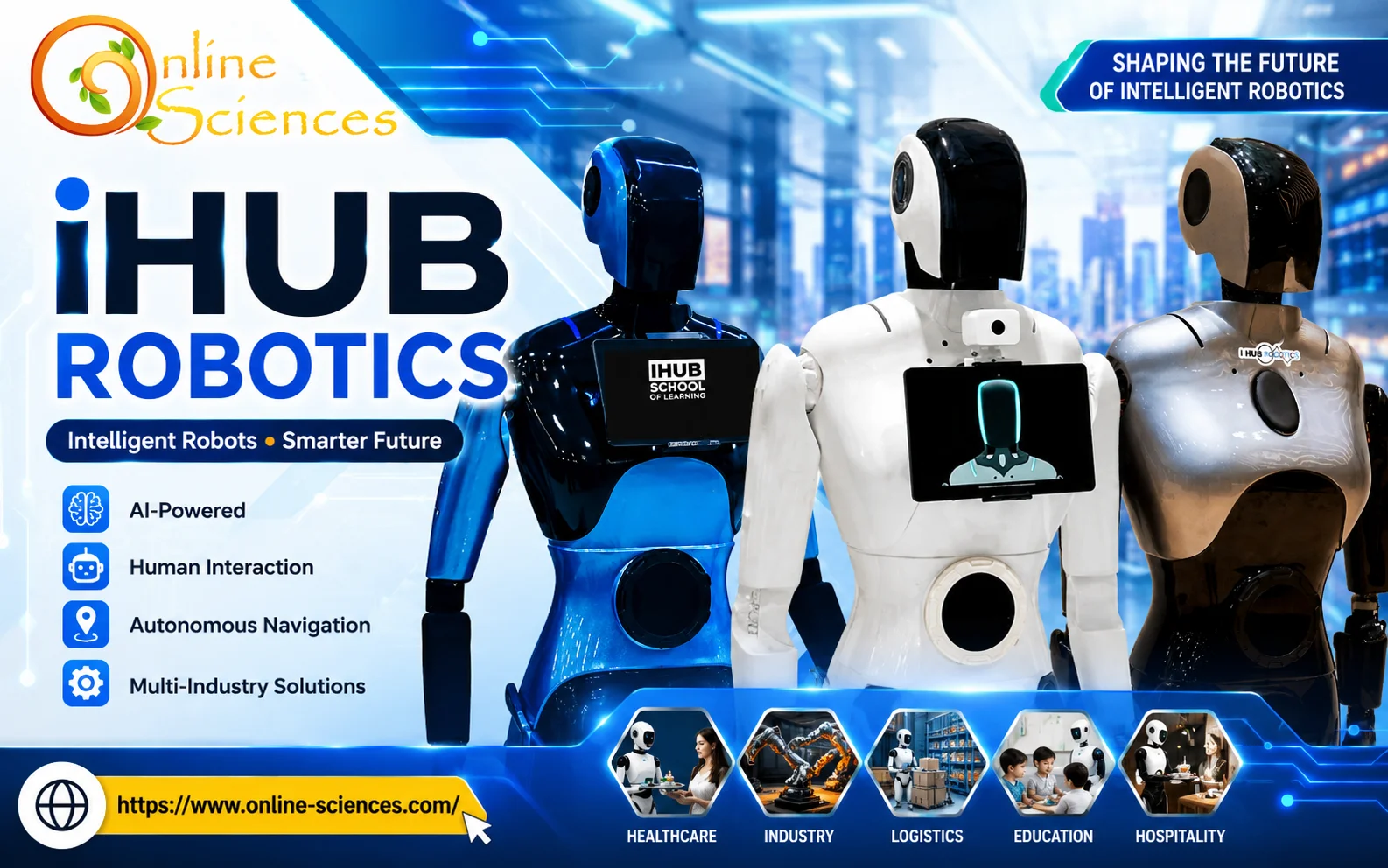
iHub Robotics is an emerging robotics and artificial intelligence company focused on developing advanced humanoid robots, autonomous service robots, and AI-driven automation solutions for industries, healthcare, education, and smart environments. By combining robotics, machine learning, computer vision, and natural language processing, iHub Robotics aims to create intelligent robots capable of working safely alongside humans while improving productivity and efficiency.
iHub Robotics
iHub Robotics
The robotics industry is evolving rapidly, and iHub Robotics is becoming a notable player by building intelligent robotic systems designed to solve real-world challenges. Its robots integrate AI technologies with advanced sensors, precision mechanics, and autonomous navigation to perform complex tasks in dynamic environments.
Unlike traditional industrial robots that remain fixed inside factories, modern iHub Robotics solutions are designed to interact naturally with humans, recognize objects, understand voice commands, and make intelligent decisions using artificial intelligence.
These capabilities make iHub Robotics suitable for healthcare facilities, educational institutions, manufacturing plants, logistics centers, research laboratories, retail stores, hotels, airports, and smart cities.
What is iHub Robotics?
iHub Robotics is a technology company specializing in:
- Humanoid robots.
- AI-powered service robots.
- Industrial automation.
- Autonomous mobile robots (AMRs).
- Machine vision systems.
- Human-robot collaboration.
- Robotics software.
- Intelligent AI assistants.
- Smart warehouse automation.
- Educational robotics.
The company combines hardware engineering with artificial intelligence to develop robots capable of understanding their surroundings and interacting naturally with people.
Features of iHub Robotics
Artificial Intelligence
AI algorithms allow robots to:
- Learn from experience.
- Recognize speech.
- Detect faces.
- Understand gestures.
- Analyze surroundings.
- Improve decision-making.
Computer Vision
Advanced cameras and vision systems enable robots to:
- Detect obstacles.
- Recognize objects.
- Read QR codes.
- Identify people.
- Navigate autonomously.
Autonomous Navigation
Using LiDAR, cameras, ultrasonic sensors, and AI mapping, iHub Robotics platforms can:
- Build indoor maps.
- Avoid collisions.
- Travel independently.
- Navigate crowded environments.
Natural Language Processing
Modern robots can understand spoken language, answer questions, and communicate naturally with users.
Human-Robot Collaboration
Collaborative robots are designed to safely work alongside people without requiring large safety cages.
iHub Robotics Applications
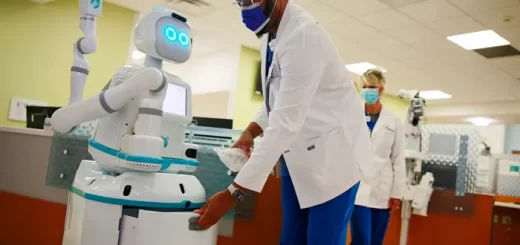
Healthcare
Hospitals increasingly use robotics for:
- Medicine delivery.
- Patient guidance.
- Medical logistics.
- Telepresence.
- Elderly assistance.
- Rehabilitation support.
Manufacturing
Factories use robotic automation for:
- Assembly.
- Inspection.
- Packaging.
- Material handling.
- Quality control.
- Predictive maintenance.
Warehousing
Warehouse robots improve logistics through:
- Autonomous inventory transport.
- Order picking.
- Inventory tracking.
- Automated storage.
- Route optimization.
Education
Educational robots help students learn:
- Programming.
- AI.
- Robotics engineering.
- Electronics.
- Automation.
- STEM concepts.
Retail
Retail robots assist customers by:
- Providing product information.
- Guiding shoppers.
- Checking inventory.
- Managing shelves.
- Supporting customer service.
Hospitality
Hotels may deploy robots for:
- Room service.
- Guest reception.
- Navigation assistance.
- Multilingual communication.
- Cleaning support.
AI Technologies Used by iHub Robotics
The company integrates multiple AI technologies, including:
- Machine Learning.
- Deep Learning.
- Reinforcement Learning.
- Computer Vision.
- Speech Recognition.
- Natural Language Processing.
- Sensor Fusion.
- Edge AI Computing.
- Cloud Robotics.
Benefits of iHub Robotics
- Increased Productivity: Robots operate continuously with minimal downtime.
- Improved Safety: Dangerous tasks can be delegated to robots, reducing workplace injuries.
- Higher Accuracy: Robotic systems minimize human error during repetitive operations.
- Cost Efficiency: Automation lowers long-term operational costs.
- Better Customer Experience: Interactive robots improve engagement in retail, hospitality, and public spaces.
- Scalable Automation: Businesses can deploy multiple robots across different departments.
Challenges Facing iHub Robotics
Despite rapid progress, several challenges remain:
- High development costs.
- Complex AI training.
- Battery limitations.
- Ethical concerns.
- Cybersecurity risks.
- Integration with legacy systems.
- Regulatory compliance.
Industries That Benefit from iHub Robotics
Numerous industries can benefit from intelligent robotics:
- Manufacturing.
- Healthcare.
- Agriculture.
- Logistics.
- Education.
- Hospitality.
- Retail.
- Security.
- Smart cities.
- Research laboratories.
- Airports.
- Government services.
iHub Robotics vs Traditional Industrial Robots
Artificial Intelligence: iHub Robotics integrates advanced artificial intelligence, enabling robots to learn from data, recognize speech and objects, and make intelligent decisions. Traditional industrial robots typically follow pre-programmed instructions and cannot adapt to new tasks without being manually reprogrammed.
Mobility: iHub Robotics systems are often designed with autonomous navigation, allowing them to move freely through workplaces using sensors, cameras, and AI-based mapping. In contrast, traditional industrial robots are usually fixed in one location, such as an assembly line, where they repeatedly perform the same tasks.
Human Interaction: One of the key strengths of iHub Robotics is its ability to work safely alongside humans. These robots can communicate using voice commands, recognize people, and collaborate in shared environments. Traditional industrial robots generally operate inside safety cages or restricted areas because they are not intended for direct human interaction.
Flexibility and Applications: iHub Robotics solutions are highly versatile and can be deployed in healthcare, logistics, education, retail, hospitality, and manufacturing. Traditional industrial robots are primarily designed for repetitive tasks such as welding, painting, assembly, packaging, and material handling in factories, making them less adaptable to changing environments.
Learning and Adaptability: Thanks to machine learning and AI technologies, iHub Robotics platforms can improve their performance over time and adapt to new situations. Traditional industrial robots rely on fixed programming and require engineers to update their software whenever production requirements change.
Overall Comparison: While traditional industrial robots remain the preferred choice for high-speed, repetitive manufacturing tasks, iHub Robotics offers greater flexibility, autonomous operation, and intelligent human-robot collaboration. This makes AI-powered robots better suited for modern workplaces where adaptability, communication, and multi-purpose functionality are increasingly important.
Future of iHub Robotics
The future of iHub Robotics is expected to be driven by increasingly capable AI systems, improved robotic dexterity, and stronger human–robot collaboration. Future developments may include more advanced humanoid assistants, smarter warehouse automation, edge AI for faster decision-making, cloud-connected robot fleets, and robots that can perform a broader range of tasks across healthcare, logistics, education, and public services. Continued improvements in battery technology, sensors, and machine learning are also likely to make robots more autonomous, efficient, and cost-effective.
Advantages of iHub Robotics
- AI-powered automation.
- Autonomous navigation.
- Human-friendly interaction.
- Increased workplace safety.
- Improved operational efficiency.
- Scalable deployment.
- Advanced computer vision.
- Supports multiple industries.
- Continuous operation.
- Intelligent decision-making.
Disadvantages of iHub Robotics
- High initial investment.
- Maintenance requirements.
- Battery constraints.
- AI training complexity.
- Cybersecurity considerations.
- Dependence on software updates.
Conclusion
iHub Robotics represents the next generation of intelligent automation by combining artificial intelligence, computer vision, autonomous navigation, and human-centered design. As industries continue adopting AI-powered robotic systems, companies like iHub Robotics are helping reshape manufacturing, healthcare, logistics, education, and service sectors. With ongoing advances in AI and robotics, intelligent robots are expected to become an increasingly important part of everyday life and business operations.
FAQ about iHub Robotics
1. What is iHub Robotics?
iHub Robotics is a robotics and AI company developing intelligent robotic solutions, including humanoid, service, and autonomous robots for various industries.
2. What technologies does iHub Robotics use?
It combines artificial intelligence, computer vision, machine learning, natural language processing, autonomous navigation, and sensor fusion.
3. What industries use iHub Robotics?
Healthcare, manufacturing, logistics, education, hospitality, retail, research, agriculture, and smart city applications.
4. Are iHub Robotics robots autonomous?
Many systems are designed for autonomous operation using AI, sensors, cameras, and navigation technologies.
5. Can iHub Robotics robots interact with humans?
Yes. Many robots support voice interaction, facial recognition, gesture recognition, and conversational AI.
6. Does iHub Robotics build humanoid robots?
The company focuses on intelligent robotic platforms, including humanoid and service-oriented robots, depending on the application.
7. What are the main advantages of iHub Robotics?
Improved efficiency, increased safety, reduced operational costs, higher accuracy, and intelligent automation.
8. What challenges does iHub Robotics face?
Key challenges include development costs, battery life, cybersecurity, AI training, and integration with existing systems.
You can subscribe to science online on YouTube from this link: Science Online
Dynamics Atlas review, advantages & features, How does Atlas robot work?
Boston Dynamics Handle robot review, features and importance
Emo robot review, advantages, disadvantages, features & What can Emo do?
Eilik Desktop Companion Robot structure, features, use, advantages & disadvantages
Tesla robots (Optimus) review, use, advantages & disadvantages