
LED Technology 2027: 10 Powerful advantages & disadvantages, Do LED lights consume less electricity?
LED technology has transformed modern lighting by providing energy-efficient, long-lasting, and environmentally friendly alternatives to traditional incandescent and fluorescent bulbs. LEDs are widely used in homes, offices, televisions, smartphones, streetlights, cars, and industrial systems. However, despite their many benefits, LED technology also has disadvantages, including higher initial costs, electronic waste, and potential eye discomfort from poorly designed lighting. Understanding the advantages and disadvantages of LED technology can help consumers and businesses make informed decisions.
LED Technology
LED means light-emitting diode. It is a semiconductor chip in a reflector. It is connected to an electric wire. When the electricity flows, it causes the diode to illuminate. LED monitors can be large enough, but they will not take up too much space on the work desk. So, they will provide better visual quality for the user.
What is LED Technology?
LED stands for Light-Emitting Diode, a semiconductor device that produces light when an electric current passes through it. Unlike traditional incandescent bulbs, which generate light by heating a filament, LEDs convert electrical energy directly into light through a process called electroluminescence.
LED technology is used in numerous applications, including residential lighting, digital displays, traffic signals, automotive headlights, medical equipment, and electronic devices. Its efficiency, compact size, and versatility have made it an essential part of modern technology.
Advantages of LED technology
LEDs are high-efficiency light sources. The directional nature of light produced by LEDs allows the design of luminaires with higher overall efficiency. LEDs are continually declining in price. That makes LED displays extremely affordable.
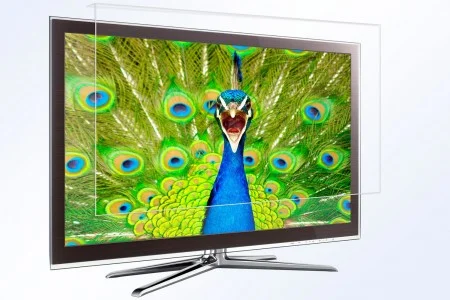
LED screen
LEDs radiate a “cold light”, and they generate very little heat compared with other lighting technologies. They cause less wasted energy; LEDs have a full range of colors, and with appropriate mixing schemes, they can generate billions of colors.
LEDs have high energy efficient, they are now capable of outputting 135 lumens/watt, They have long Lifetime, Their lifetime is 50,000 hours or more, LEDs are called Solid State Lighting (SSL) because they are made of solid material with no filament or tube or bulb to break.
LEDs are not affected by cold temperatures. They will start up even in subzero weather. They are environmentally friendly as they contain no mercury or other hazardous substances.
LED monitors are usually lighter and thinner than LCD monitors. The fluorescent bulbs used in an LCD monitor are bigger and heavier, and they can make the monitor bulkier compared to the materials used in LED monitors.
LED monitors offer better and sharper colour reproduction as compared to LCD monitors, and the production of LED monitors has increased, which makes them more affordable choices.
Importance of LED Technology
1. High Energy Efficiency
One of the most important advantages of LED technology is its high energy efficiency. LEDs generally consume significantly less electricity than incandescent bulbs while producing comparable amounts of light. This efficiency helps reduce electricity consumption in homes, offices, factories, and public spaces.
Replacing traditional bulbs with LEDs can lower energy bills, particularly in locations where lights remain switched on for long periods. Large-scale LED installations can also reduce overall electricity demand.
2. Long Lifespan
LED lights typically last much longer than traditional incandescent bulbs. Many quality LED products are rated for approximately 15,000 to 50,000 hours of operation, although actual performance depends on product quality, temperature, and operating conditions.
Their long lifespan reduces the frequency of bulb replacements, saving money on maintenance and replacement materials. This advantage is particularly useful for streetlights, industrial facilities, and hard-to-reach lighting fixtures.
3. Environmentally Friendly Lighting
LED technology can help reduce environmental impact by consuming less electricity and lowering the emissions associated with electricity generation. Unlike fluorescent lamps, LEDs do not require mercury to produce light.
However, LED products contain electronic components and materials that require responsible disposal and recycling. Choosing durable products and recycling them correctly can improve their environmental benefits.
4. Lower Heat Production
Compared with incandescent bulbs, LEDs release much less energy as heat during normal operation. This can help reduce unwanted heat in indoor spaces and may lower air-conditioning requirements in some buildings.
Nevertheless, LEDs still generate heat within their semiconductor junctions and electronic drivers. Effective heat sinks and proper ventilation are essential for maintaining performance and extending their lifespan.
5. Instant Lighting and Flexible Design
Most LED lights reach their intended brightness almost immediately after being switched on. They are available in different colors, brightness levels, shapes, and sizes.
LEDs also support dimming and smart-control features when compatible equipment is used. These capabilities make them suitable for decorative lighting, home automation, advertising displays, and advanced architectural designs.
Disadvantages of LEDs technology
LEDs are more expensive than conventional lighting technologies, They must be supplied with the correct voltage and current at a constant flow, And this requires some electronics expertise to design the electronic drivers.
LEDs can shift color due to age and temperature, and two different white LEDs will have two different color characteristics. So, they affect how the light is perceived.
Risks of LED Technology
1. Higher Initial Purchase Cost
LED bulbs and lighting systems may cost more initially than basic incandescent bulbs. Advanced LED fixtures, smart lighting systems, and specialized industrial products can be particularly expensive.
However, the initial investment may be recovered through lower electricity consumption and fewer replacements. Buyers should compare purchase prices, energy ratings, warranties, and expected operating hours before making a decision.
2. Sensitivity to Heat and Electrical Conditions
Although LEDs produce less heat than incandescent bulbs, their electronic components can be sensitive to excessive temperatures. Poor heat management may cause brightness reduction, color changes, or premature failure.
Voltage fluctuations, unsuitable drivers, and incompatible dimmer switches can also affect performance. Selecting quality products and installing them correctly helps prevent these problems.
3. Potential Eye Discomfort and Blue Light Exposure
Some LED products produce a noticeable blue-rich light, particularly those with cool-white color temperatures. Exposure to bright light at night may interfere with sleep timing, while glare and flicker can cause discomfort or headaches in some people.
LED lighting is not inherently harmful to the eyes when properly designed and used. Consumers can reduce discomfort by selecting suitable brightness levels, choosing warmer color temperatures for evening use, avoiding direct glare, and purchasing flicker-controlled products.
4. Electronic Waste and Recycling Challenges
LED bulbs generally contain no mercury, but they include circuit boards, semiconductor materials, metals, and plastic components. These materials can create electronic waste when products are discarded improperly.
Recycling options vary by location, and some LED lamps are difficult to repair because their components are integrated into sealed fixtures. Choosing repairable products and using appropriate electronic-waste collection services can help reduce this problem.
5. Quality Differences Between Products
Not all LED products provide the same lighting quality. Low-quality bulbs may have poor color rendering, inconsistent brightness, excessive flicker, or unreliable electronic drivers.
Some products may also lose brightness faster than expected. Buyers should look for reliable manufacturers, appropriate safety certifications, accurate energy labels, and clear warranty information.
Applications of LED Technology
LED technology has become important across many industries because of its efficiency, compact design, and versatility.
- Homes and offices: Energy-saving bulbs, desk lamps, ceiling lights, and smart lighting.
- Electronics: Television screens, computer monitors, indicator lights, and display panels.
- Transportation: Vehicle headlights, traffic signals, railway signals, and streetlights.
- Healthcare: Specialized examination lights, surgical lighting, and selected phototherapy devices.
- Agriculture: Supplemental lighting for indoor farms and greenhouses.
- Advertising and entertainment: Digital billboards, stadium displays, stage lighting, and decorative installations.
These applications demonstrate how LEDs support modern infrastructure while providing opportunities to reduce energy consumption.
Is LED Technology Worth Using?
For most homes and businesses, LED lighting is an excellent choice because its energy savings and long service life can outweigh its higher initial purchase price. However, the best results depend on selecting suitable products for each application.
Consumers should consider brightness, measured in lumens, rather than relying only on wattage. They should also compare color temperature, color rendering, dimming compatibility, product quality, and warranty coverage.
For outdoor and industrial applications, weather resistance, heat management, and electrical protection are especially important. Responsible purchasing, correct installation, and recycling can maximize the advantages of LED technology while minimizing its disadvantages.
Frequently Asked Questions (FAQ)
1. What are the main advantages of LED technology?
The main advantages include high energy efficiency, long lifespan, lower electricity consumption, reduced heat production compared with incandescent bulbs, instant lighting, and flexible design options.
2. What are the disadvantages of LED lighting?
Potential disadvantages include higher initial costs, sensitivity to excessive heat, electronic waste, differences in product quality, and possible eye discomfort from glare or flicker.
3. Do LED lights consume less electricity?
Yes. LEDs generally use substantially less electricity than incandescent bulbs to produce a similar amount of light. Actual savings depend on brightness, usage time, electricity prices, and the efficiency of the products being compared.
4. Are LED lights safe for the eyes?
LED lights are generally safe when they meet applicable safety standards and are used appropriately. Excessive brightness, glare, flicker, and poorly managed blue-rich light at night may cause discomfort for some people.
5. How long do LED bulbs last?
Many LED bulbs are rated for approximately 15,000 to 50,000 hours. Their actual lifespan depends on manufacturing quality, operating temperature, electrical conditions, and usage patterns.
6. Are LED lights environmentally friendly?
LEDs can reduce environmental impact through lower electricity consumption and the absence of mercury in the light source. However, their electronic components still require responsible recycling and disposal.
7. Are LED bulbs worth the extra cost?
In many cases, yes. Reduced energy consumption and fewer replacements can make LEDs less expensive over their lifetime, although the savings depend on the purchase price and how frequently the lights are used.
Conclusion
LED technology offers major benefits for modern lighting, including energy efficiency, durability, design flexibility, and reduced electricity costs. Nevertheless, higher purchase prices, heat-management requirements, possible glare, and recycling challenges should not be ignored. By choosing reliable LED products and using them correctly, consumers can enjoy their advantages while reducing their drawbacks.
Explore more science and technology articles on Science Online: https://www.online-sciences.com/
Watch more technology videos on Science Online Channel: https://www.youtube.com/@Science.online
🔥 Google Gemini 2027: The Powerful Features You Need to Know 🚀
🔥 Tesla Bot Gen 4 UPDATE 5000 Tasks As HOMEMAKER & Surgeon! Elon Musk SHOCKED Inside Optimus! 🤯
What are the advantages and disadvantages of watching TV?
Pros and cons of technology in education & Can technology replace teachers?







Thank you for sharing this article. I could say that I was able to gain information in this article. Very informative and reliable, great work.
You are welcome