Water pollutants, Water pollution disadvantages and protection of water from the pollution
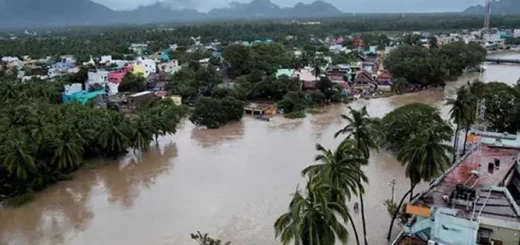
Water pollution is the addition of any water substance that causes a gradual, continuous change in water properties and affects the health and life of living creatures.
Drinking water does not depend on its colour or its odour alone. Still, it depends on the lab analysis according to the standard that is put by “the World Health Organization,” which is a guide for the different countries.
Water pollutants
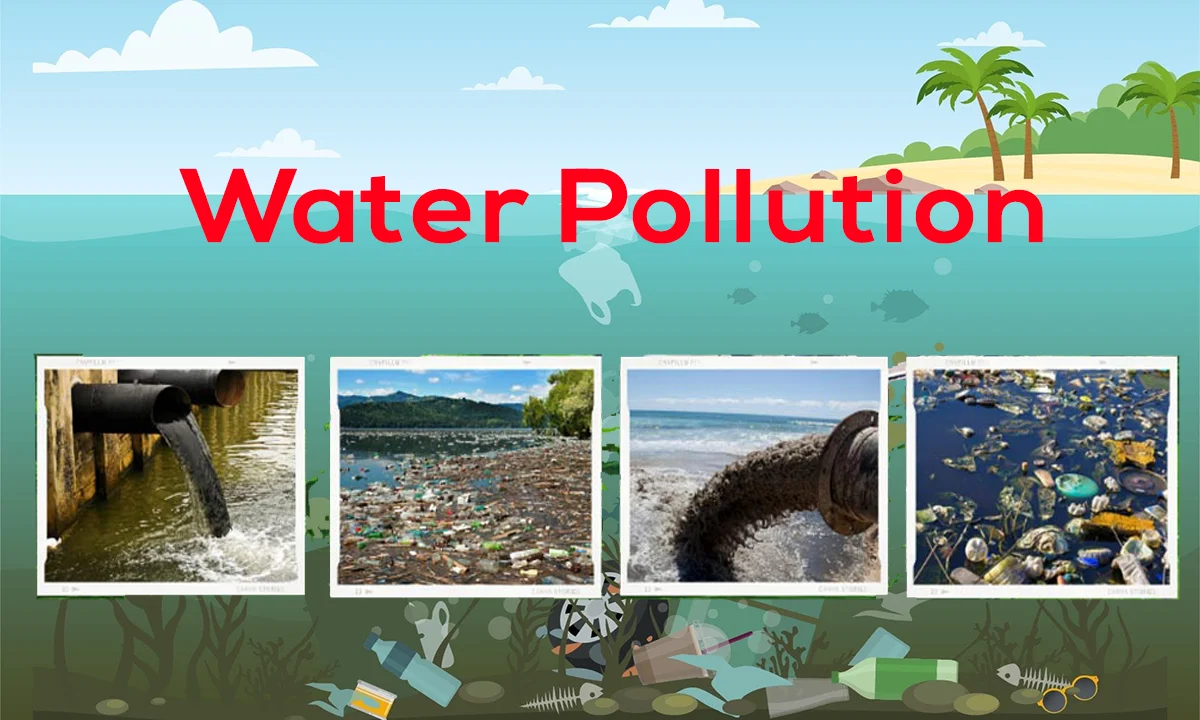
Water pollutants can be divided into natural pollutants and artificial pollutants.
Water pollutants
Natural water pollutants
The natural water pollutants arise from natural phenomena such as the death of living creatures, volcanic eruptions, and lightning accompanying thunderstorms.
Artificial water pollutants
The artificial water pollutants arise from different human activities, and they are classified into 4 classes:
-
The biological pollution: It is due to mixing the animals’ and humans’ waste with the water, and it causes infection by many diseases such as Bilharzia, Typhoid, and Hepatitis.
-
Thermal pollution: It is due to the increasing temperature of some water areas that are used in cooling nuclear reactors, and it causes the death of marine creatures due to the separation of dissolved oxygen from the water.
-
The chemical pollution: It is due to the discharge of the factories’ residues and the sewage into the seas, the rivers, and the canals. and it causes the increase of some elements’ concentration, which causes great harms such as increasing the mercury concentration in the drinking water, which causes blindness, increasing the arsenic concentration, which increases the infection rate by liver cancer, and when eating fish that contain high concentrations of lead, it causes the death of brain cells.
- The radiant pollution: It is due to the dumping of atomic wastes in the oceans and the sea, and the leakage of radioactive materials from the nuclear reactors. It causes an increase in cancer and causes the genetic mutations that occur and lead to an imbalanced behaviour of the marine organisms and their biological functions.
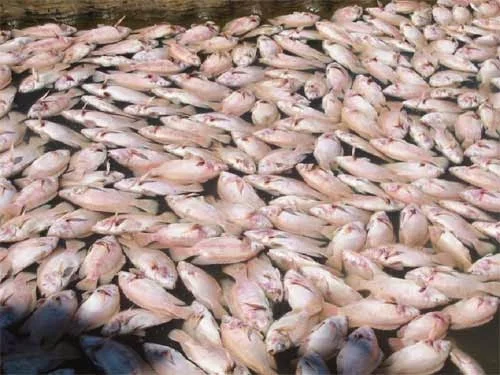 Water pollution |
| The radiant pollution causes the death of marine creatures. |
Protection of the water from pollution
We should not get rid of the sewage, the wastes of the factories, and the dead animals in the rivers or the canals.
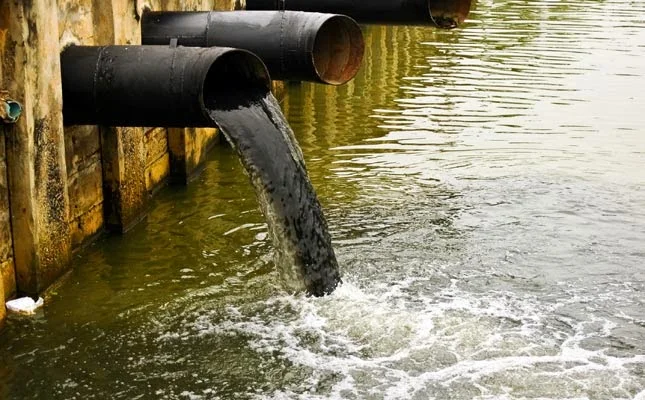 Water pollution |
| Discharging the sewage in the rivers and canals causes water pollution. |
We should not store tap water in empty plastic bottles because the plastic reacts with chlorine gas, which is used as a water disinfectant, and leads to an increase in the infection rates by cancer.
We must spread environmental awareness among people to protect the water from pollution.
The stations of the water purification should do a periodical analysis of the water which used for drinking.
We have to disinfect the drinking water tanks, which are found on the roofs of the buildings, in a periodic manner.
FAQ about Water Pollution
1. What are water pollutants?
Water pollutants are harmful substances that enter water bodies such as rivers, lakes, seas, and groundwater, causing contamination and making the water unsafe for humans, animals, and plants.
2. What are the main types of water pollutants?
The main types of water pollutants include:
- Chemical pollutants: such as pesticides, fertilizers, and industrial chemicals.
- Biological pollutants, such as bacteria, viruses, and parasites from sewage.
- Physical pollutants: such as plastics, sediments, and waste materials.
- Thermal pollution: when factories release hot water into rivers or lakes.
3. What are the main sources of water pollution?
Water pollution can come from several sources, including:
- Industrial waste and chemicals.
- Agricultural fertilizers and pesticides.
- Sewage and wastewater discharge.
- Oil spills from ships and factories.
- Dumping garbage and plastics into water bodies.
4. How do fertilizers and pesticides pollute water?
Rain can wash fertilizers and pesticides from farms into rivers and lakes. These chemicals increase nutrient levels in water, which can cause excessive growth of algae and harm aquatic life.
5. What are the disadvantages of water pollution?
Water pollution has many negative effects, such as:
- Making water unsafe for drinking.
- Causing diseases in humans and animals.
- Killing fish and other aquatic organisms.
- Destroying ecosystems and biodiversity.
- Affecting agriculture and food supply.
6. What diseases can be caused by polluted water?
Polluted water can cause several diseases, including:
- Cholera.
- Typhoid fever.
- Dysentery.
- Hepatitis A.
- Diarrhea and other digestive infections.
7. How does water pollution affect aquatic life?
Toxic chemicals and waste reduce oxygen levels in water and poison fish, plants, and other aquatic organisms, which may lead to the death of many species and an imbalance in ecosystems.
8. What is eutrophication?
Eutrophication is the process in which excessive nutrients in water cause the rapid growth of algae. This reduces oxygen in the water and harms fish and other aquatic organisms.
9. How can water pollution be prevented?
Water pollution can be reduced by:
- Treating industrial and sewage waste before releasing it.
- Reducing the use of harmful pesticides and fertilizers.
- Recycling waste materials.
- Preventing oil spills.
- Avoid dumping garbage in water bodies.
10. What is the role of individuals in protecting water from pollution?
Individuals can help protect water by:
- Not throwing waste into rivers or seas.
- Reducing plastic use.
- Conserving water resources.
- Using environmentally friendly products.
- Participating in community clean-up activities.
11. Why is protecting water from pollution important?
Protecting water from pollution is essential to maintain human health, preserve aquatic ecosystems, ensure safe drinking water, and support agriculture and industry.
12. What is the role of governments in protecting water resources?
Governments help protect water resources by enforcing environmental laws, monitoring water quality, building wastewater treatment plants, and educating communities about water conservation and pollution prevention.
You can subscribe to Science Online on YouTube from this link: Science Online
Water properties, structure, pollutants, and protection of water from pollution
The soil pollution and the soil protection from pollution
Air pollution causes, types, effects, solutions and How to prevent air pollution
Air quality index uses, importance (air monitoring data) and ways to estimate air pollutant levels