
Heat and Technology 2026: How Thermal Energy Powers the Modern World
Heat and technology are deeply interconnected, shaping modern life in ways we often overlook—from the warmth provided by heating systems in winter to the advanced cooling mechanisms that protect electronic devices from overheating. Through the principles of Thermodynamics, engineers have developed innovative solutions like heat exchangers, thermal insulation materials, and energy-efficient appliances that improve performance while reducing energy consumption.
Heat
Heat is a form of energy that is transferred from one object or system to another due to a temperature difference. It always flows from a hotter body to a cooler one until thermal equilibrium is reached. In science, heat is not something an object “contains” by itself; rather, it is the energy in motion between particles when there is a temperature difference. This concept is central to Thermodynamics, which studies how energy is transferred and transformed.
At the microscopic level, heat is related to the movement of atoms and molecules. When an object is heated, its particles move faster, increasing their kinetic energy. Heat can be transferred in three main ways: conduction (through direct contact), convection (through fluids like air or water), and radiation (through electromagnetic waves, such as heat from the sun). Understanding heat is essential in many fields, including engineering, medicine, and environmental science.
Heat and technology
Heat is not just a natural phenomenon—it’s a driving force behind modern technology. From generating electricity to enabling advanced medical procedures, heat plays a central role in innovation and industrial progress. Understanding how heat interacts with technology helps explain how much of our daily life is powered and improved by thermal energy.
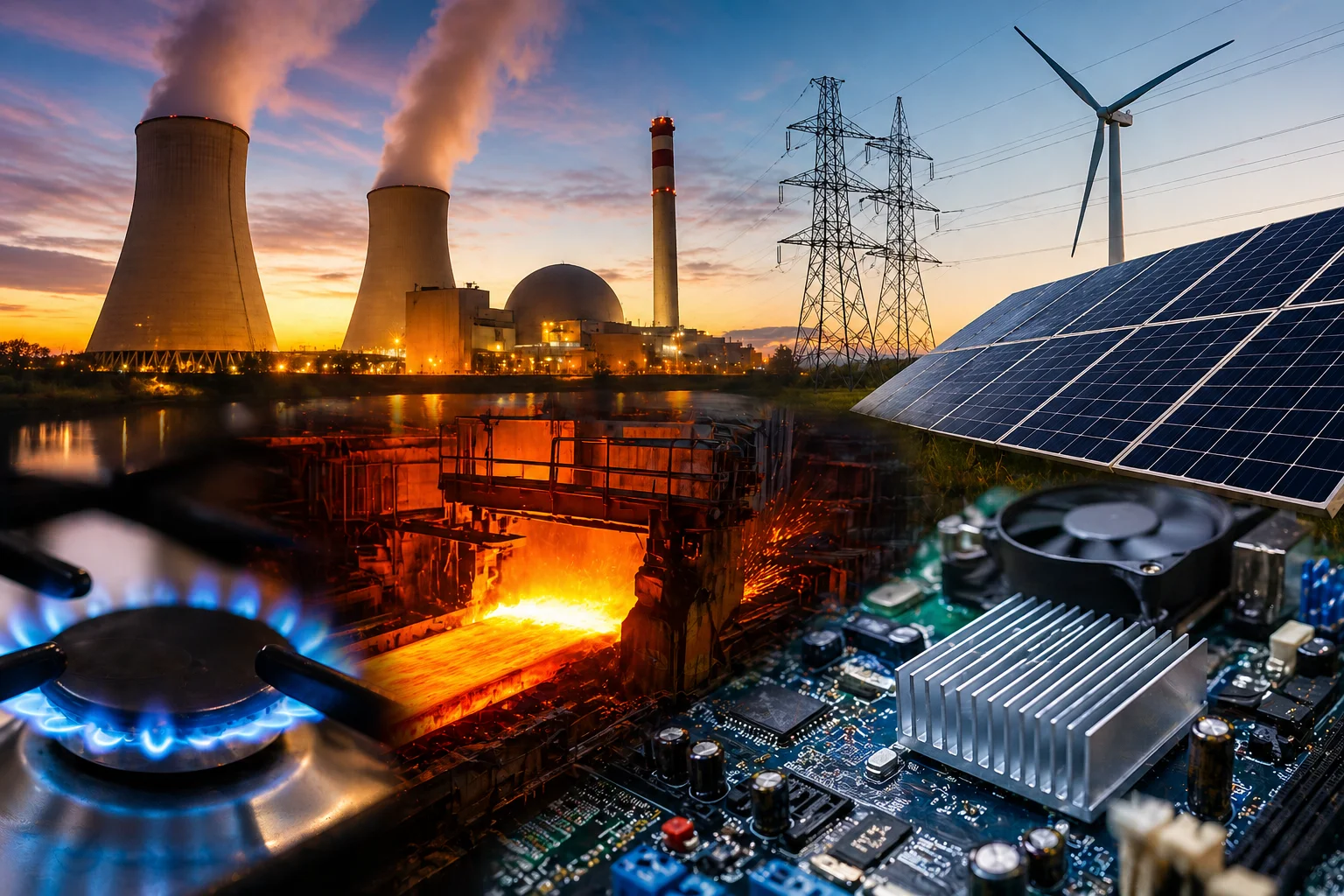
Industries rely heavily on heat technology for manufacturing, power generation, and transportation, while emerging fields such as renewable energy use heat from natural sources like the sun and geothermal reservoirs to create sustainable solutions. This constant evolution highlights how controlling heat is essential for technological progress and environmental sustainability.
Heat and Technology
How Heat Is Used in Technology
Heat is widely used across technological systems to create, transform, and control energy. Many machines rely on heat to function efficiently, especially those that convert heat into mechanical or electrical energy. For example, in power plants, heat energy is used to produce steam, which spins turbines and generates electricity. Similarly, internal combustion engines rely on heat from burning fuel to produce motion.
What are the examples of heat technology?
Heat technology is everywhere in daily life, powering systems that rely on the transfer and control of thermal energy. Common examples include household appliances like ovens, heaters, and refrigerators, which use heat transfer principles such as conduction, convection, and radiation to function efficiently.
Industrial applications are more advanced—steam turbines in power plants convert heat into mechanical energy to generate electricity, while furnaces are used in metal production and glass manufacturing. Modern innovations such as solar thermal systems harness sunlight to produce heat for water heating or electricity generation, and heat pumps are widely used for energy-efficient heating and cooling in homes. Even transportation relies on heat technology, as internal combustion engines convert heat from fuel into motion.
What are the 4 types of heat transfer?
Four main types of heat transfer explain how heat moves from one place to another. Conduction occurs when heat passes through a solid material, like a metal spoon getting hot in a cup of tea. Convection involves the movement of heat through fluids (liquids or gases), such as warm air rising and cool air sinking in a room. Radiation transfers heat through electromagnetic waves, like the warmth you feel from the sun, without direct contact.
Lastly, advection refers to heat transfer through the bulk movement of fluids, often seen in large-scale processes like ocean currents or weather systems. Together, these four types explain how heat energy is distributed in both natural environments and technological applications.
Heat in Electricity Generation
One of the most important roles of heat in technology is in electricity production. Thermal power plants use fuels like coal, gas, or nuclear energy to generate heat. This heat converts water into steam, which drives turbines connected to generators. Even renewable technologies like solar thermal systems use heat from the sun to produce electricity, making heat a key player in both traditional and modern energy solutions.
Heat in Industrial Technology
Industries depend heavily on heat for manufacturing and processing materials. High temperatures are required to shape metals, produce glass, and refine chemicals. Heat is also used in:
- Welding and metal cutting.
- Food processing and preservation.
- Plastic and textile production.
Without heat, large-scale industrial production would not be possible.
Heat in Transportation Technology
Vehicles rely on heat energy to operate. In cars, engines burn fuel to produce heat, which is converted into mechanical energy to move the vehicle. Aircraft and ships also depend on heat-based engines for propulsion. Advancements in technology are now improving how efficiently heat is used, reducing energy waste and environmental impact.
Heat in Medical Technology
Heat plays a vital role in healthcare technology. It is used for sterilizing equipment, ensuring that medical tools are free from harmful microorganisms. In addition, heat-based treatments such as thermal therapy help relieve pain and improve blood circulation. Advanced technologies like laser surgery also rely on controlled heat to treat medical conditions precisely.
Heat Management in Electronics
Modern electronic devices generate heat during operation. Managing this heat is crucial to ensure performance and prevent damage. Technologies used for heat management include:
- Cooling fans and heat sinks.
- Liquid cooling systems.
- Thermal insulation materials.
Efficient heat control allows devices like computers, smartphones, and servers to function safely and reliably.
Heat in Environmental and Green Technology
Heat is also important in sustainable technology. Solar panels and geothermal systems harness heat from natural sources to produce clean energy. Recycling processes and waste management systems also use heat to reduce environmental pollution and convert waste into usable energy.
The Future of Heat in Technology
As technology evolves, scientists are developing new ways to use heat more efficiently. Innovations such as smart materials, energy-efficient engines, and advanced cooling systems are shaping the future. Reducing heat loss and improving heat transfer will play a major role in creating sustainable and eco-friendly technologies.
FAQ About Heat and Technology
1. Why is heat important in technology?
Heat is essential because it helps generate energy, power machines, and support industrial and scientific processes.
2. How is heat converted into electricity?
Heat produces steam that spins turbines connected to generators, converting thermal energy into electrical energy.
3. What happens if heat is not controlled in devices?
Excess heat can damage components, reduce efficiency, and shorten the lifespan of electronic devices.
4. Is heat used in renewable energy?
Yes, technologies like solar thermal and geothermal energy rely on heat from natural sources.
5. How does heat help in medicine?
Heat is used for sterilization, therapy, and advanced procedures like laser treatments.
Conclusion
Heat is a fundamental component of modern technology, enabling everything from electricity generation to medical innovation. As we move toward a more advanced and sustainable future, the efficient use of heat will continue to shape technological progress and improve our daily lives.
You can follow science online on YouTube from this link: Science online
Importance of heat (thermal energy) and light energy in our daily life
Importance of heating in Agriculture, Horticulture and the greenhouse
Importance of good and bad conductors of heat – FAQs & Examples
Solar energy (Sun), Ways of heat transfer (conduction, convection, and radiation)
Metallic and nonmetallic properties, Acidic and basic properties in the periodic table
Heat changes accompanying physical changes, and Explanation of the source of the heat of solution
Heat Changes accompanying Chemical changes and Hess’s law of constant heat summation