Puerperal Fever (Sepsis): 7 Powerful Causes, Symptoms & Warning Signs
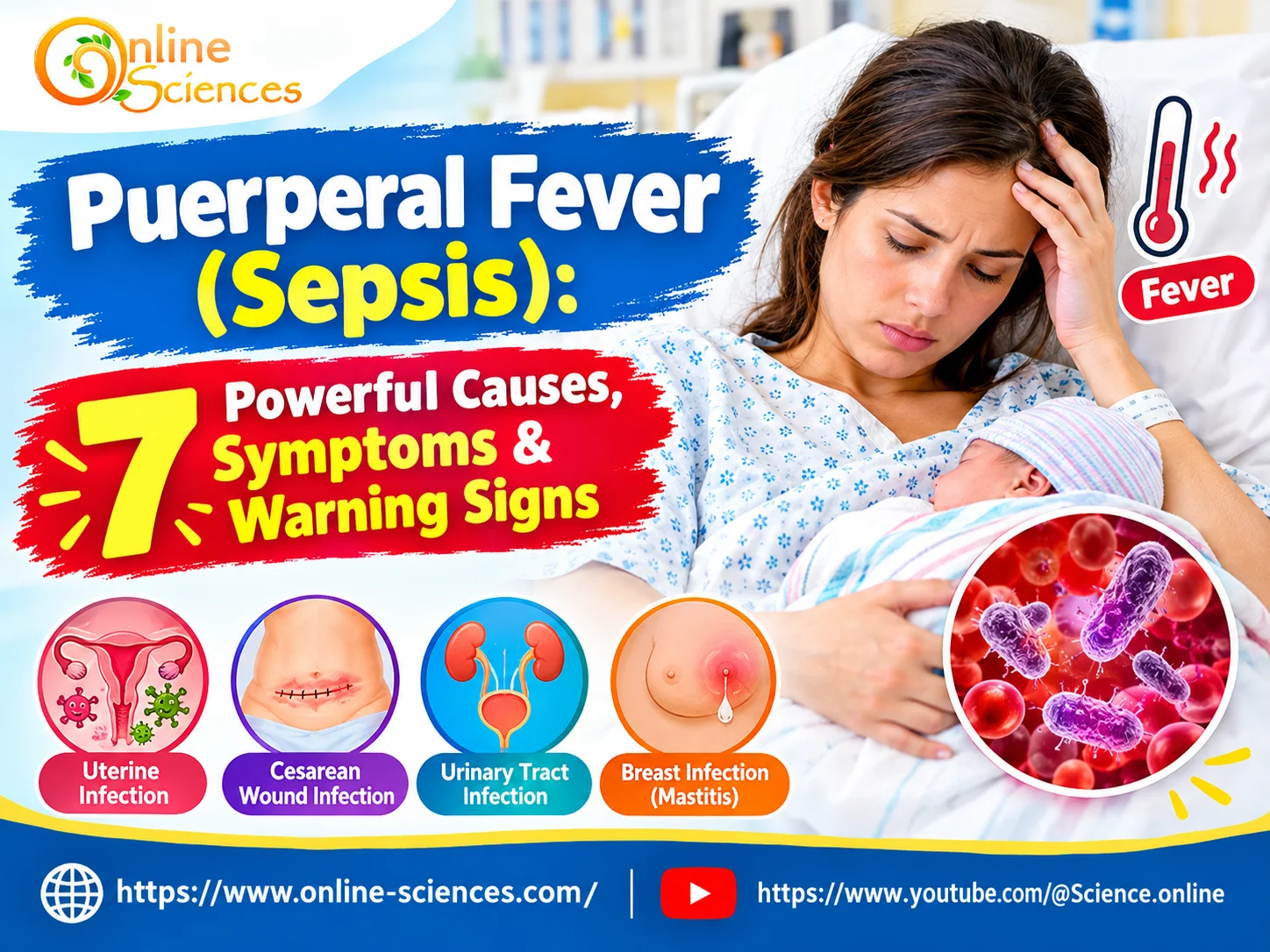
Puerperal fever (sepsis) is a potentially serious infection that can develop during the postpartum period, particularly after childbirth. It may result from infection of the uterus, cesarean-section wound, urinary tract, breasts, or other sites. Recognizing the causes and warning signs early is essential because untreated postpartum infection can progress to sepsis and become life-threatening.
Puerperal fever (sepsis)
Puerperal Fever (Sepsis)
The diseases of the female genital system and the male genital system are classified into two types which are diseases that do not arise from sexual contact and diseases that arise from sexual contact (The sexually transmitted diseases, ” TDs”.
The diseases do not arise from sexual contact: Many diseases do not arise from sexual contact, such as Uterine cancer, prostate cancer, and puerperal sepsis (childbed fever). Puerperal infection, or puerperal sepsis, occurs in women due to infection related to giving birth.
The microbe that causes the disease is spherical-shaped bacteria; the incubation period is 4 days, and the incubation period is the period between the beginning of the infection and the appearance of symptoms of the disease.
The methods of infection are droplets from a person infected with bacteria and suffering from throat infection or tonsillitis to the vagina of a recently laboured mother, and by an infected wound during labour.
The symptoms are a high elevation in body temperature, face paling, chilling, severe acute pain in the lower abdomen, and bad-smelling secretions from the uterus, The means of protection (prophylaxis) are sterilizing the surgical tools and wearing masks during labour (delivery).
The mother should be kept warm and avoid exposure to air currents, and prevent the visits of persons who suffer from respiratory diseases to the mother after the delivery.
The bacteria causing puerperal sepsis can be transferred to the patient by her own throat secretions; that is why a pregnant woman suffering from any respiratory disease should be treated first before delivery, especially in the last two months to avoid autoinfection.
Puerperal infections are the sixth-leading cause of death among new mothers, and they affect about 6 percent of new mothers.
Causes of Puerperal Infection
After giving birth, women are more vulnerable to infections of the genital tract, as bacteria are opportunistic and thrive in warm, moist environments like the genital and urinary tracts.
The bacteria can enter the body via pelvic examinations during labor because of the trauma during labor or because of prolonged delivery that gives more time for bacteria to enter the vaginal tract.
Using non-sterile instruments or unclean hands during the dilation checks can also introduce the bacteria into the body.
The bacteria that cause a puerperal infection include chlamydia, gonococci, Clostridium welchii, staphylococci, streptococci, Escherichia coli (E.coli), and Clostridium tetani.
Symptoms of a Puerperal Infection
The symptoms associated with puerperal infections include chills, malaise, pain or tenderness in the uterus, drainage from the uterus that contains pus or is foul-smelling, fever greater than 100.4° Fahrenheit, lower stomach pain, and the uterus does not return to its normal size.
The woman after birth must be monitored, as the symptoms of puerperal infection typically begin anywhere between 24 hours and 10 days after the infection occurs.
What Are the Causes of Puerperal Fever (Sepsis)?
Puerperal fever (sepsis) refers to a significant infection occurring after childbirth, especially when the infection develops during the postpartum period. Historically, puerperal fever was associated mainly with infections of the reproductive tract following delivery. Today, healthcare professionals understand that postpartum sepsis can originate from several different sites.
Postpartum infections may initially cause fever, chills, abdominal or pelvic pain, abnormal vaginal discharge, difficulty urinating, breast pain, or wound problems. If the infection spreads into the bloodstream or causes a severe systemic response, it can lead to sepsis.
1. Infection of the uterus
One of the important causes of puerperal fever is an infection of the uterus, known as postpartum endometritis. Bacteria can enter the reproductive tract during labor or delivery and multiply in the uterine lining.
The risk can be higher after prolonged labor, prolonged rupture of the membranes, repeated vaginal examinations, or cesarean delivery. Symptoms may include fever, lower abdominal or pelvic pain, uterine tenderness, and foul-smelling vaginal discharge.
2. Cesarean-section wound infection
A cesarean section creates a surgical wound that can become infected after delivery. Bacteria may enter the incision and cause redness, swelling, increased pain, warmth, or drainage of pus. A wound infection may remain localized, but in some cases the infection can spread and contribute to severe postpartum infection or sepsis.
3. Infection following prolonged rupture of membranes
The amniotic membranes normally protect the fetus and uterus from microorganisms. When the membranes rupture and a long period passes before delivery, bacteria have more opportunity to enter the reproductive tract. This can increase the risk of infection during labor and after childbirth, particularly when other risk factors are present.
4. Retained placental tissue
Sometimes a small amount of placental tissue remains inside the uterus after delivery. Retained products of conception can interfere with normal postpartum recovery and may contribute to bleeding and infection. Healthcare professionals may use ultrasound and other examinations to investigate suspected retained tissue, particularly when fever, abnormal bleeding, pelvic pain, or persistent postpartum symptoms occur.
5. Urinary tract infection
A urinary tract infection (UTI) can occur after childbirth and may sometimes progress to a more serious infection. Urinary catheterization, which is commonly used during some deliveries and cesarean procedures, can increase the risk of urinary infection.
Symptoms may include burning during urination, frequent urination, lower abdominal discomfort, fever, chills, or pain in the back or side if the infection involves the kidneys.
6. Breast infection and mastitis
Breast infections can occur during breastfeeding. Mastitis may cause a painful, swollen, warm, or reddened area of the breast, together with fever and flu-like symptoms. Although many cases can be treated effectively, a bacterial breast infection can sometimes develop into an abscess or contribute to a more serious systemic infection if not appropriately managed.
7. Other postpartum infections
Infections can also develop in areas such as vaginal or perineal wounds, especially when there has been an episiotomy or significant tearing during vaginal delivery.
Less commonly, postpartum fever may be associated with respiratory infections, abdominal infections, pelvic abscesses, or other bacterial infections. Therefore, persistent fever after childbirth should not automatically be attributed to normal postpartum changes.
Risk factors for puerperal sepsis
Several circumstances can increase the risk of postpartum infection. These may include:
- Cesarean delivery.
- Prolonged labor.
- Prolonged rupture of the membranes.
- Multiple vaginal examinations during labor.
- Retained placental tissue.
- Postpartum hemorrhage.
- Anemia.
- Pre-existing infections.
- Diabetes or other conditions affecting immunity.
- Surgical or perineal wounds.
- Urinary catheterization.
Having a risk factor does not mean that a woman will develop sepsis, but healthcare professionals may monitor patients more closely when several risk factors are present.
Symptoms and warning signs
Possible warning signs of puerperal fever (sepsis) include:
- Fever or unusually low body temperature.
- Chills or shivering.
- Rapid heartbeat.
- Rapid breathing or difficulty breathing.
- Severe weakness or feeling extremely unwell.
- Lower abdominal or pelvic pain.
- Foul-smelling vaginal discharge.
- Increasing pain, redness, or discharge from a surgical wound.
- Painful or swollen breasts with fever.
- Burning or difficulty when urinating.
- Confusion, dizziness, or fainting.
Sepsis is a medical emergency. A woman who has recently given birth and develops severe symptoms, rapidly worsening illness, confusion, difficulty breathing, fainting, or other signs of serious infection needs urgent medical evaluation.
How is puerperal sepsis diagnosed?
Doctors usually consider the woman’s symptoms, medical history, delivery history, physical examination, and vital signs. Depending on the suspected source of infection, investigations may include blood tests, urine tests, cultures, imaging studies, or examination of a surgical wound.
Treatment depends on the source and severity of infection. Bacterial infections may require antibiotics, while an abscess or retained infected tissue may require a procedure to control the source of infection. Severe sepsis may require hospital treatment and close monitoring.
How can puerperal fever be prevented?
Good infection-control practices during labor and delivery are important. Appropriate hand hygiene, sterile techniques for procedures, careful management of cesarean wounds, appropriate treatment of infections during pregnancy and labor, and monitoring women after delivery can help reduce the risk.
Women should also seek medical advice when they develop persistent fever, increasing pain, abnormal discharge, wound problems, or other concerning symptoms after childbirth.
Conclusion
Puerperal fever (sepsis) can have several causes, with postpartum uterine infection, cesarean wound infection, urinary tract infection, retained placental tissue, breast infection, and infections involving perineal wounds among the important possibilities. Early recognition and treatment are essential because a localized postpartum infection can sometimes progress to sepsis. Any woman who feels seriously unwell after childbirth or develops significant fever and other warning signs should seek prompt medical care.
FAQ: Puerperal Fever (Sepsis)
What is puerperal fever?
Puerperal fever is a fever associated with an infection occurring during the postpartum period, particularly infections involving the reproductive tract after childbirth.
What is the most common cause of puerperal sepsis?
Postpartum infection of the uterus, or endometritis, is an important cause of puerperal sepsis. Other infections, including cesarean wound, urinary tract, breast, and perineal infections, can also be responsible.
How long after birth can puerperal sepsis occur?
Postpartum infections can develop at different times after delivery. Symptoms occurring after childbirth should be evaluated according to their severity, timing, and suspected source.
Is fever normal after giving birth?
Some temperature changes can occur after delivery, but a significant or persistent fever should not be ignored because it may indicate an infection.
What are the first warning signs of postpartum sepsis?
Possible early warning signs include fever or chills, rapid heartbeat, feeling extremely unwell, increasing abdominal or pelvic pain, foul-smelling vaginal discharge, wound problems, or urinary symptoms.
Can puerperal sepsis be treated?
Yes. Treatment depends on the infection’s source and severity and may include antibiotics, intravenous fluids, monitoring, and procedures to control the source of infection.
Is puerperal sepsis dangerous?
Yes. Severe infection can progress to sepsis, which can cause organ dysfunction and requires urgent medical treatment.
When should I seek emergency medical care after childbirth?
Seek urgent medical attention for severe or rapidly worsening illness, difficulty breathing, confusion, fainting, severe weakness, or other symptoms suggesting a serious infection or sepsis.
You can follow Science Online on YouTube at this link: Science Online
40 Genius AI Gadgets on Amazon You Have to See to Believe 🤖🔥
Reproduction in Human being, Structure of Male genital system & sperm
Structure of Female genital system & ovum, Oogenesis stages & Menstrual cycle
Fertilization process, Pregnancy and the stages of embryonic development