
Importance and uses of oxygen gas, What is oxygen used for in our daily life?
Oxygen gas
Oxygen gas (O₂) is a colorless, odorless, and tasteless gas that is essential for life on Earth. It makes up about 21% of the Earth’s atmosphere and plays many vital roles in our daily lives. Oxygen gas forms compounds with nearly all the elements except the inert gases. It is compressed in iron cylinders to be used in mechanical ventilation for patients who suffer from breathing difficulties, and it is used during surgeries.
Oxygen gas is used by the mountaineers at high latitudes during climbing, as oxygen gas is heavier than the air, so its percentage decreases when we rise above the Earth’s surface. Oxygen gas is used by underwater divers during diving, and the astronauts use it while walking in space. Oxygen masks are used to ease various medical disorders, like hypoxemia, asthma, heart, and vascular diseases.
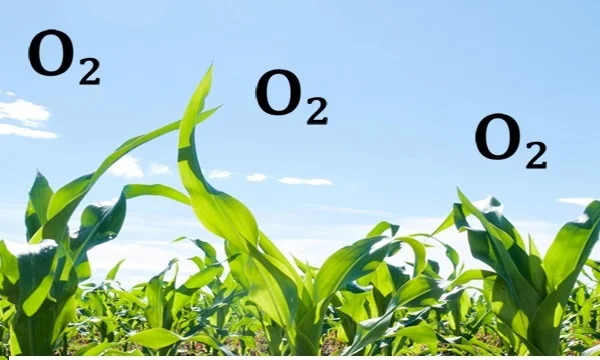
Oxygen importance
Oxygen gas is used in the formation of water, which is composed of oxygen combined with hydrogen. It is used to kill bacteria causing gangrene (as it is poisonous for them), and it is used to treat carbon monoxide poisoning as well. Oxygen gas combines with acetylene gas to produce an oxy-acetylene flame, which is used for cutting, welding, and melting of metals as its temperature rises to 3500 degrees Celsius.
Oxygen gas is used in the production of iron and steel in the blast furnaces using hot oxygen air. It also burns off carbon impurities. Even in mines, it is employed as a part of explosives for blasting rocks. Oxygen gas forms the ozone layer in the atmosphere that protects the Earth from harmful radiations that come from the Sun. The ozone molecule is composed of three oxygen atoms (O3).
Oxygen gas is used in the manufacture of nitric acid, sulfuric acid, other compounds, and acids. Ozone is used in different chemical reactions to improve the rate of reaction and ensure the fullest possible oxidation of the compounds. Oxygen gas is used for environmental protection in domestic and industrial wastewater treatment plants and facilities, and it is also used in the conversion of iron ore into steel.
Oxygen gas is used in combustion to produce energy in automobiles, airplanes, ships, generators, the industrial processes. Liquid oxygen gas is used in the burning of fuel in spacecraft for generating the required thrust in space, where there is neither air nor oxygen.
Uses of Oxygen Gas
- Breathing and Life Support: Humans and animals inhale oxygen gas to support cellular respiration, which produces energy in the body. It is used in oxygen tanks for people with breathing difficulties (e.g., in hospitals or for home care).
- Fire and Combustion: Oxygen gas supports burning. Without oxygen, fire cannot exist. It’s a vital element in cooking (gas stoves), heating systems, and car engines (internal combustion).
- Medical Applications: Supplemental oxygen is used in emergency medicine, operating rooms, intensive care units (ICU), and for patients with lung diseases (COPD, asthma).
- Industrial Uses: Oxygen gas is used in welding and cutting metals (oxy-acetylene torches), steel manufacturing to remove carbon impurities, and chemical production (e.g., sulfuric acid).
- Water Treatment and Sanitation: Oxygen gas is used to aerate water in sewage treatment plants. It helps support aerobic bacteria that break down waste.
- Aviation and Space: Pilots and astronauts use oxygen tanks to breathe at high altitudes or in space, where air is thin or nonexistent.
- Aquariums and Fish Farming: Oxygen gas is pumped into water to keep fish and aquatic life healthy.
- Rocket Fuel Oxidizer: Oxygen gas (in liquid form) acts as an oxidizer in rocket propulsion systems.
Chemical Properties of Oxygen Gas
- Formula: O₂
- Atomic number: 8
- Molecular weight: 32 g/mol
- Supports combustion but is not flammable on its own.
What is oxygen used for in our daily life?
Oxygen is essential for life and has many important uses in our daily lives. It is involved in energy production, health care, combustion, manufacturing, sanitation, and more, making it a vital part of everyday life.
- Breathing and Respiration: Oxygen is vital for human and animal life because it supports cellular respiration, the process by which cells produce energy. When we breathe, oxygen enters our lungs, travels to our bloodstream, and is used by our cells to produce energy from food.
- Medical Use: Oxygen is used in hospitals and homes for patients with respiratory problems (e.g., asthma, COPD, COVID-19, pneumonia). It is mixed with other gases during operations.
- Combustion: Oxygen is essential for fire and combustion. It is used in cooking (gas stoves), heating systems, and vehicles that rely on internal combustion engines.
- Water and Hydration: Oxygen is a part of water (H₂O), which is essential for all life processes. The cells in our body need water, and therefore oxygen, to function properly.
- Industrial Uses: Metal cutting and welding: Oxygen is used with acetylene or other gases in torches. Steel manufacturing: Oxygen helps remove impurities during the smelting process.
- Cleaning and Sanitizing: Ozone (O₃) is a form of oxygen used in water purification and disinfecting surfaces. Hydrogen peroxide (H₂O₂) contains oxygen, and it is used as a disinfectant.
- Aviation and Space: Supplemental oxygen is used at high altitudes. Astronauts rely on oxygen tanks for breathing.
- Aquatic Life: Dissolved oxygen is needed by fish and other aquatic animals to survive in water.
You can subscribe to science online on YouTube from this link: Science Online
Properties, source, and cycle of oxygen gas
Ozone gas, Ozone therapy uses, advantages and disadvantages
The importance of the ozone layer and its structure
The erosion of the ozone layer and the protection from the ozone layer pollutants
it really works for me
Thank you very much
Nice