
Natural Gas Power Plants 2026: Advantages, Efficiency, and Future Outlook
Natural Gas Power Plants play a vital role in modern electricity generation by providing reliable, efficient, and cleaner energy compared to many traditional fossil fuel power stations. Their ability to quickly respond to changing electricity demand makes them an essential part of today’s power grids and an important partner for renewable energy sources such as wind and solar power.
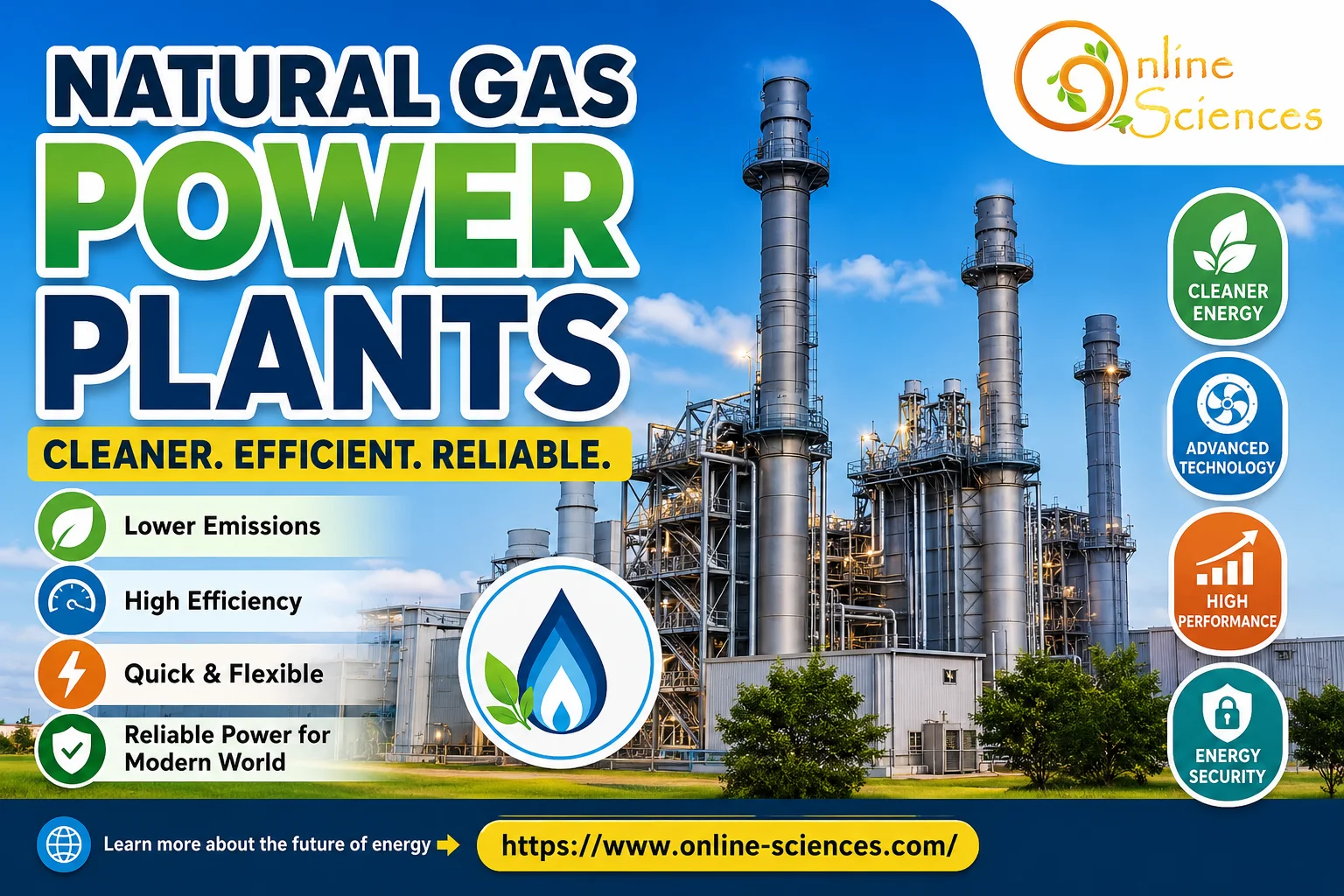
Natural Gas Power Plants
Natural Gas Power Plants
Natural Gas Power Plants are among the most important sources of electricity generation worldwide, providing reliable power for homes, industries, hospitals, and modern infrastructure. As countries seek cleaner energy solutions while maintaining stable electricity supplies, natural gas plants have become a key bridge between traditional fossil fuels and renewable energy systems.
Natural Gas Power Plants convert the chemical energy stored in natural gas into electrical energy through highly efficient combustion and turbine technologies.
What are Natural Gas Power Plants?
Natural gas power plants are facilities that generate electricity by burning natural gas, primarily composed of methane. The heat produced during combustion is used to drive turbines connected to generators, producing electrical power that is delivered to the grid. These plants are widely used because they can start quickly, operate efficiently, and produce lower emissions than coal or oil-fired power stations.
How Natural Gas Power Plants Work
The electricity generation process typically involves several stages:
- Step 1: Fuel Combustion: Natural gas is mixed with air and burned in a combustion chamber.
- Step 2: Turbine Rotation: Hot gases expand rapidly and spin a gas turbine.
- Step 3: Electricity Generation: The turbine drives a generator, converting mechanical energy into electricity.
- Step 4: Heat Recovery (Combined Cycle Plants): Many modern plants capture waste heat to produce additional steam, which powers a second turbine and significantly increases efficiency.
Types of Natural Gas Power Plants
1. Simple Cycle Gas Turbine Plants
Use only a gas turbine.
Advantages:
- Fast startup.
- Lower construction cost.
- Suitable for peak electricity demand.
2. Combined Cycle Power Plants (CCPP)
Use both gas and steam turbines.
Advantages:
- Higher efficiency.
- Lower fuel consumption.
- Reduced emissions.
Modern combined cycle plants can exceed 60% efficiency, making them among the most efficient thermal power stations in the world.
3. Cogeneration (CHP) Plants
Produce both electricity and useful heat for industrial processes or district heating.
Advantages of Natural Gas Power Plants
- Lower Emissions: Compared with coal plants, natural gas plants emit significantly less carbon dioxide (CO₂), sulfur dioxide (SO₂), and particulate pollution.
- High Efficiency: Combined cycle plants convert a larger portion of fuel energy into electricity.
- Flexible Operation: Gas plants can rapidly increase or decrease output, making them ideal partners for solar and wind energy.
- Quick Construction: They generally require less time to build than large coal or nuclear plants.
Natural Gas Power Plants Disadvantages
- Still a fossil fuel: Natural gas combustion releases CO₂.
- Methane leakage: Methane is a potent greenhouse gas.
- Fuel price volatility: Electricity costs can fluctuate with gas prices.
- Infrastructure requirements: Pipelines, storage, and transportation systems are needed.
Role in Renewable Energy Integration
One of the most important modern roles of natural gas plants is supporting renewable energy. Since solar and wind power are intermittent, gas plants can quickly provide backup electricity when renewable generation decreases. This flexibility helps maintain grid stability and prevents power shortages.
Environmental Impact
Although cleaner than coal, natural gas is not carbon-free. Environmental concerns include:
- Carbon dioxide emissions.
- Methane leaks during production and transport.
- Water is used in some extraction methods.
- Habitat disruption from infrastructure development.
The Future of Natural Gas Power Plants
Experts expect natural gas plants to remain important for several decades, especially in countries transitioning from coal to cleaner energy systems.
Future developments may include:
- Carbon capture and storage (CCS).
- Hydrogen blending with natural gas.
- More efficient turbines.
- Integration with renewable energy and battery storage.
Frequently Asked Questions (FAQ) about Natural Gas Power Plants
1. What is a natural gas power plant?
A facility that generates electricity by burning natural gas to drive turbines connected to generators.
2. Are natural gas plants cleaner than coal plants?
Yes. They generally produce lower emissions of CO₂, sulfur dioxide, and particulate matter.
3. What is a combined cycle power plant?
A plant that uses both gas and steam turbines to achieve higher efficiency.
4. Why are gas plants important for renewable energy?
They can quickly adjust electricity output to balance fluctuations in solar and wind power.
5. What are the main disadvantages?
They still emit greenhouse gases and depend on natural gas supply and pricing.
6. Can natural gas plants become cleaner in the future?
Yes. Technologies such as carbon capture and hydrogen blending may significantly reduce emissions.
Natural Gas vs. Coal Power Plants
Natural gas and coal power plants are both used to generate electricity by burning fossil fuels, but they differ significantly in efficiency, environmental impact, and operational performance. Natural gas power plants burn methane-rich natural gas, producing less carbon dioxide, sulfur dioxide, and particulate matter than coal-fired plants. As a result, they contribute to improved air quality and lower greenhouse gas emissions, making them a cleaner option for electricity generation.
In terms of efficiency, modern combined cycle natural gas power plants can achieve efficiencies of over 60%, while most conventional coal-fired power plants typically operate between 33% and 45% efficiency. Natural gas plants also have much faster startup and shutdown times, allowing them to quickly adjust electricity production to meet changing demand. This flexibility makes them ideal for supporting renewable energy sources like solar and wind, whose power output can vary depending on weather conditions.
Although natural gas offers important environmental and operational advantages, it is still a fossil fuel and produces carbon dioxide during combustion. Coal, however, generally has a larger environmental footprint due to higher carbon emissions and greater air pollution. As countries transition toward cleaner energy systems, many are replacing aging coal-fired plants with high-efficiency natural gas facilities while continuing to expand renewable energy technologies to reduce overall emissions.
Conclusion
Natural Gas Power Plants play a crucial role in modern electricity systems by combining high efficiency, operational flexibility, and lower emissions compared with traditional coal plants. While they are not a perfect clean-energy solution, they remain an important bridge technology that supports economic growth and the transition toward a more sustainable energy future.
You can follow Science Online on YouTube from this link: Science Online
Thermal Power Plants Review 2026: Advantages, Disadvantages, Working Principles, and Future Trends
How a Thermal Power Plant Works 2026: Complete Guide to Electricity Generation
Nuclear power plants advantages, disadvantages, features & uses
Nuclear submarines (Nuclear Powered Ships) advantages and disadvantages
Nuclear Transformation, Nuclear fission bomb and Nuclear fission reactor
Nuclear power (nuclear fission) advantages and disadvantages
Nuclear weapons structure, types and harmful effects