Small Intestine Secrets: How Your Body Absorbs Nutrients and Stays Healthy!
Did you know that most nutrient absorption in your body happens in one powerful organ? The small intestine is where the real magic of digestion takes place! From breaking down food to absorbing vitamins, minerals, and energy, this organ plays a critical role in keeping your body healthy—discover how it works and why it’s essential for your daily life!
The small intestine
Small intestine
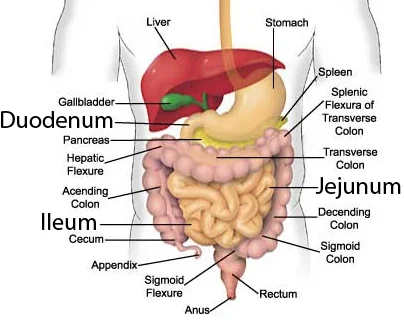
The functions of the small intestine are to complete the digestion of the different types of food and to absorb the digested food. The small intestine is composed of three structural parts, which are the duodenum, the jejunum, and the ileum.
The process of transferring the digested food from the small intestine to the blood is the absorption process. The small intestine follows the stomach, and it is followed by the large intestine. The length of the small intestine is about seven meters, so, it coils inside the abdominal cavity.
The small intestine is a long, coiled tube located between the stomach and the large intestine, and it is the main site of digestion and nutrient absorption. After food leaves the stomach, it enters the small intestine in a semi-liquid form, where it is further broken down by digestive enzymes from the pancreas and bile from the liver. This process ensures that proteins, carbohydrates, and fats are converted into simpler substances that the body can use.
One of the most important features of the small intestine is its large surface area, which is increased by tiny finger-like projections called Villi. These structures allow nutrients to be absorbed efficiently into the bloodstream. Each villus contains blood vessels that transport nutrients to different parts of the body, providing energy, supporting growth, and maintaining overall health.
In addition to digestion and absorption, the small intestine also plays a role in protecting the body from harmful substances. It acts as a barrier that controls what enters the bloodstream while supporting the immune system. Proper functioning of the small intestine is essential for preventing nutritional deficiencies and ensuring that the body gets the nutrients it needs to function effectively.
The digestive system in the human body
The duodenum
The duodenum is the first part of the small intestine that is connected to the stomach. Two important juices are pouring into the duodenum, which are pancreatic juice, which is secreted by the pancreas, and the bile juice that is secreted by the liver, which helps the digestion of fats, where it changes the fats into a fatty emulsion.
The jejunum
The jejunum connects the duodenum to the ileum, and it is the midsection of the small intestine. The length of the jejunum is about 2.5 m, It contains the plicae circulares and the villi that increase its surface area.
The products of digestion (sugars, amino acids, and fatty acids) are absorbed into the bloodstream here.
The ileum
The ileum is the part of the small intestine that follows the duodenum, and in the ileum, the intestinal juice is poured. The complete digestion of the different types of food occurs in the ileum. The digestion of the fats occurs in the small intestine, especially in the duodenum.
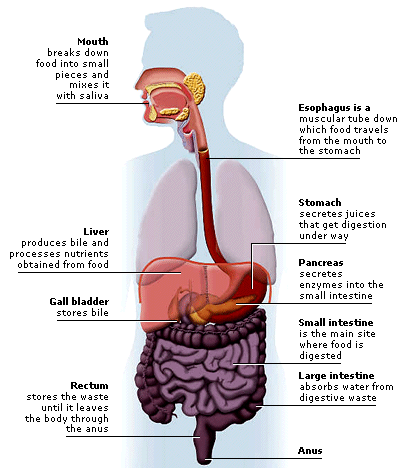
The food undergoes two processes, which are digestion and absorption in the digestive system, and the digested food is absorbed by the small intestine walls, then it reaches the blood, which distributes it all over the body organs.
FAQ about the small intestine
1. What is the main function of the small intestine?
Its main function is to complete digestion and absorb nutrients into the bloodstream.
2. How does the small intestine absorb nutrients?
Through tiny structures called Villi, which increase the surface area for absorption.
3. What happens to food in the small intestine?
Food is broken down into simpler molecules and absorbed for use by the body.
4. Why is the small intestine important?
It provides the body with essential nutrients needed for energy, growth, and repair.
5. What can affect small intestine function?
Diseases, poor diet, and digestive disorders can impact its efficiency.
You can subscribe to Science Online on YouTube from this link: Science Online
Digestion in man, Buccal digestion and Gastric digestion (digestion in stomach)
Small intestine, Absorption of digested food, Metabolism, Large intestine and defecation
Chemical reactions in the organism’s bodies (Metabolism & Enzymes)





I am primary 3